Mastering Sushi Etiquette in Japan
When it comes to indulging in sushi during your Japanese adventure, there are a few essential rules of etiquette that you should follow. These guidelines have their roots in conventional wisdom and apply not only to sushi but also extend to kaiseki and other sophisticated dining experiences across the country.
Whether you’re an avid fan of all things related to sushi or just starting on your culinary journey through Japan, this guide will help prepare you for proper behavior while savoring these delicious treats without any embarrassing gaffes along the way.
Here’s what you need to know before embarking on that emblematic feast celebrating mouthwatering slices of raw fish enveloped around vinegared rice speckled liberally with wasabi:
Firstly, always exhibit kindness towards others combined respectfully. This conduct ensures smooth sailing obliquely fitting right alongside native diners at any specialty joint serving up prodigious portions embellished gorgeously upon plates served piping hot off from their kitchens.
Secondly; never forget about chopsticks etiquette – make sure they remain outstretched when passed over dishes being shared between multiple people instead handing them directly across tables which is considered very impolite indeed.
Finally yet importantly: don’t stress too much. Bear our earlier highlighted tenets applying appropriate personal interaction techniques into consideration (observing traditional customs) so as not cause offense unwittingly mismatches amongst fellow patrons showcasing flawless etiquettes exemplified by respectful courtesy thus creating indelible memories insightfully relishing authentic cuisine served proudly brightened gastronomic landscapes throughout wonderful Tokyo eateries specializing its preparation- take time-out marvel amazing cultural significance held within each delectable piece eaten slowly whilst savouring every last morsel soaking-up regional traditions offering countless exciting new flavours unknown elsewhere.
Photography Etiquette When Dining Out in Japan: A Guide
When taking photos while dining out in Japan, here’s what you need to know
If you’re planning on taking photos during your meal at a restaurant or bar in Japan, be aware that not every hotel allows it. Some places have strict policies against photography, so it’s always best to ask politely before snapping away.
Even when permission is granted for picture-taking opportunities, discretion should still be exercised. In smaller and more intimate restaurants especially, drawing too much attention to yourself by focusing excessively on photographing your food could detract from other diners’ enjoyment of their meals.
That being said, if given the green light for picture-taking while eating out in Japan – whether enjoying sushi or another type of cuisine – there are ways to do so without disrupting fellow patrons. For example:
– Be selective about what and how frequently photographs are taken.
– Agree beforehand with dining partners as to who will take responsibility behind the lens (so both parties aren’t actively trying documenting).
– Opt for camera tools like smartphones over large devices which might disrupt those sharing space around you.
And last but not least – remember good lighting can work wonders even before clicking any shots 😉 So turning off extra lights may help avoid unnecessary distractions arising midway through capturing that perfect photo.
Why Attention to Detail is Key for a Top Sushi Dining Experience
When it comes to sushi, the difference between a good meal and an extraordinary one lies in the meticulous attention to detail displayed by top chefs. These culinary experts approach each ingredient with precision and care, resulting in dishes that not only meet but exceed your expectations in terms of quality and flavor.
Achieving this level of finesse requires careful planning well beforehand. Chefs go out of their way to procure just the right amount of ingredients for each day’s service – which means if you have any dietary restrictions or preferences, it’s crucial that you inform them when making reservations.
This protocol applies universally across all high-end restaurants including ryokans; establishments strive hard to cater to your requirements as best they can while taking into account certain limitations. Springing last-minute requests on them runs counterintuitive as it disrupts their planned meal compositions leading up till then.
Whether there are food allergies or personal preferences involved- communicating these essential needs respectfully during reservation period itself rather than risking committing major faux pas (like demanding changes on-the-spot) will ensure pleasant surprises throughout your gastronomic journey.
Sit back relax take delight amidst unparalleled Japanese cuisine crafted with utmost finesse.
Etiquette for Dining at a High-End Sushi Restaurant
When dining at a high-end sushi restaurant, it’s essential to respect the expertise of your chef and keep in mind that making unreasonable requests can hinder your culinary experience. Many customers show chefs photos from food blogs or websites with the intent of requesting an exact replica of what they see on their smartphone screen. However, this is not always feasible since omakase courses are highly crafted menus prepared based on season and other various factors.
The best approach is to trust the chef when indulging yourself with such exquisite delicacies as these skilled chefs have already put extensive planning into selecting only the finest ingredients available on today’s market—all catered towards ensuring you experience nothing but sheer excellence during mealtime. By following basic etiquette guidelines like being appreciative and avoiding overly specific orders, diners can enjoy exceptional dishes that highlight both traditional techniques and contemporary Japanese cuisine innovation.
SEO keywords:dining etiquettes; high-end sushi restaurants; Omakase course
Trusting the Chef – A Guide to Enjoying Japanese Cuisine
Japanese cuisine is an art form that requires precision and attention to detail, which makes it important for diners to trust their chef. Surrendering control by avoiding requests for additional condiments like shoyu or wasabi unless they accompany the dish as intended is always a wise choice.
Most chefs take pride in ensuring your dishes are perfectly prepared with every element of flavor carefully selected- so don’t be afraid to enjoy them exactly as presented before you. If there’s something specific that could benefit from an added touch, then rest assured knowledgeable chefs will guide you accordingly. On top of that, never hesitate when seeking clarification if unsure at any stage during your culinary experience.
How to Interact with Chefs While Dining: Tips for Asking Questions
Getting the chance to talk to a chef during your dining experience can be exciting, but it’s important not to overdo it. While there is nothing wrong with asking questions and showing interest in their craft, keep in mind that chefs also need to focus on providing great service for all guests at the restaurant.
When engaging a chef, try not ask too many detailed questions about every dish – this may take up more time than they have available. Make sure your inquiries are reasonable while still respecting others’ needs at the table; after all everyone wants equal attention from staff when visiting an eatery.
By being mindful of these considerations you’ll likely find yourself having meaningful interactions without becoming intrusive or annoying – strike up conversations intelligently.
Sushi Etiquette: How to Enjoy Your Meal Without Offending Anyone
As you sit down for a scrumptious sushi meal, it’s only natural to think back on past dining experiences. However, in the world of sushi etiquette, talking about other restaurants or chefs while enjoying your food is considered impolite.
Even if there is a language barrier between you and your current chef, mentioning another hotel could cause unnecessary tension and comparisons that might be misunderstood. It’s best to simply enjoy each bite without bringing up any external associations that may dampen the experience at hand.
Remember – respect towards those preparing and serving your meal will go a long way in ensuring an enjoyable culinary adventure.
Why you should avoid wearing fragrances to dinner
When it comes to proper dining etiquette, avoiding the use of fragrances is a must. Not only does this show consideration for your fellow diners’ enjoyment of the culinary experience, but seemingly mild fragrances can also impede other patrons’ ability to fully engage with each dish.
To ensure that everyone benefits from a scent-free environment at mealtime, steer clear of using perfume, cologne, lotions or hair products containing fragrance before sitting down at the table. Remember – exhibiting proper dining etiquette by refraining from applying scents will benefit both yourself and those around you.
Discovering the Best Sushi Joints – Why Size Matters
In Japan, finding a top sushi joint is more than just about seafood cuisine. Petite in stature and offering few seats for nightly service, these exclusive establishments are renowned for their stringent policies on cancellations and no-shows.
While some may be deterred by such strict regulations, it’s important to understand that chefs invest much time and effort into sourcing premium ingredients and preparing dishes with exceptional care. When guests cancel at short notice or fail to show up altogether, wasted resources often result in disappointment felt all around.
It’s not surprising then that Japanese restaurants take this issue seriously; many of them employ 100% cancellation fees without apology should patrons back out at the eleventh hour. With enforcement policies being so rigid hereabouts there really isn’t any margin left open for errors.
Money Matters in Japan’s Sushi Restaurants
When dining at top-notch sushi restaurants in Japan, it is important to remember that many of them still prefer cash over credit cards. Although this may change with time, the Japanese culture continues to cherish paper money. If you plan on eating at a sushi restaurant that only accepts cash payments, be sure to inquire beforehand about their payment policies.
It is also worth noting that splitting bills is not common practice in Japan; instead, diners typically pool funds together and pay as one group. On top of that, when settling expenses among friends after a meal together, it’s more polite to do so post-meal than before indulging in delicious seafood delicacies.
So if you’re planning on experiencing some authentic Japanese cuisine during your travels through Tokyo or Osaka – keep these cultural customs front-and-center.
How to ‘Read the Air’ at a Sushi Restaurant in Japan
When dining out in Japan, it’s essential to be aware of your surroundings and adapt accordingly. This practice is known as “reading the air,” and it extends even into sushi restaurants.
As these establishments tend to have intimate atmospheres, being considerate towards fellow diners can make all the difference. Keep volume levels appropriate while savoring your meal so that everyone can enjoy their experience without interruption.
So if you’re planning on visiting a sushi restaurant in Japan anytime soon, remember to read the air.
Off-the-Beaten-Path: 5 Unique Neighborhoods to Discover in Tokyo
To truly experience the essence of Tokyo, it’s necessary to venture beyond its tourist hotspots. Don’t worry – our expertise is here to help. We’ve narrowed down a list of five unique neighborhoods for you to explore off-the-beaten-path.
Amidst Tokyo’s diverse communities, each neighborhood offers something different ranging from sophisticated Ginza and vibrant Shimokitazawa to flashy Shibuya and quaint Yanaka, as well as fashionable Daikanyama and relaxed Koenji.
While many travelers gravitate towards overcrowded areas such as Shinjuku or Asakusa, these hidden yet accessible gems are often overlooked by travelers. However don’t be fooled into thinking that these charming spots remain undiscovered; they’re simply lesser-known compared to other popular destinations.
So why not embark upon an exciting adventure through vintage shopping at Shimokitazawa – one of the most eclectic places found across all neighborhoods. Originally written back in 2014 but updated on May 3rd 2018 for your convenience – this guide will take you on a journey through unexpected corners of Japan’s bustling metropolis.
Discovering Shimokitazawa: Tokyo’s Youthful and Diverse District
Back in 2014, Vogue magazine dubbed it the coolest neighborhood on earth – but don’t let that label deter you. Shimokitazawa (or ‘Shimokita’ for short) continues to be a fascinating area of Tokyo with its youthful vibe, small live music venues, and vintage stores.
During daylight hours, the district is filled with locals enjoying rooftop bars or browsing through unique shops. It’s a great place to relax after a busy day exploring other parts of Tokyo.
As night falls, visitors can indulge in excellent eateries or check out one of many izakayas and bars scattered throughout the neighbourhood. While not quite as vibrant as Shibuya or Shinjuku Boroughs when compared side by side objectively speaking do read our comprehensive guides covering these areas before making your choice.
Odakyu Line offers convenient transportation services departing from Shinjuku Station while Keio Inokashira runs frequent trains originating from Shibuya Stations platform – perfect means traveling on towards this exciting corner made very accessible within metropolitan stations around Greater-Tokyo’s greater horizons.
Elsewhere Naka-Meguro enjoys attention-worthy blossom-filled season vibes featured prolifically across social media platforms presently available whenever visiting during springtime showcasing Japanese culture unforgettably beautiful so make sure not miss either destinations next time you’re looking explore all that Japan has offer beyond tourist traps located downtown city centres such those found dotting Osaka Bay Area metropolis famous aquarium plus amusement parks too; consider hopping aboard ferry rides crossing distance between Kansai Airport Island rail links running hourly everyday overland journeys Kyoto City etc thus enabling travellers discover everything their heart desires.
Discover the Hidden Gem of Tokyo: Naka-Meguro
Naka-Meguro, or Nakameguro if you prefer to call it that way, is a district in Tokyo that many travelers overlook. But as far as locals are concerned, this stylish and laid-back neighborhood holds some of the best gems hidden away from the main tourist spots.
Located between Ebisu and Daikanyama districts lies an area bursting with bars and restaurants for everyone’s taste. To truly capture its essence though, head over to Meguro River canal where you will find plenty of trendy boutiques, quaint cafes serving amazing coffee drinks (sometimes even latte art.), unpretentious eateries featuring both Japanese cuisine alongside international dishes – all lining up on both sides for your convenience.
While there is no denying how great Naka-Megura looks throughout every season; however during cherry blossom season when sakura trees spread across river banks painting shades pink makes it downright magical. A fantastic experience.
To get here one can take Tokyu Toyoko Line departing Shibuya (or Yokohama) alternatively taking Tokyo Metro Hibiya Line starting from Ginza , Tsukiji , Roppongi Or any station beyond that on this line would do too. And those who love walking around exploring new areas may enjoy strolling along nearby neighborhoods such as Daikanyama or Ebisu before reaching their destination at Naka-Meguru Station – either way works fine depending upon personal preference so make sure not miss out visiting these places while touring Japan.
Ebisu: Tokyo’s Foodie Paradise
Ebisu is a must-visit for those who want to explore the vibrant culinary scene in Tokyo. As one of the premier dining destinations, Ebisu offers an array of upscale and laid-back restaurants and bars that cater to foodies from all around.
At nightfall, this bustling area transforms into a hub where locals and expats come together seeking trendy spots to unwind or indulge in top-notch cuisine. Although navigating through multiple options might seem daunting at first glance, starting on Ebisu Station’s west side allows you to trail along with glowing lights leading towards numerous hidden gems scattered across different levels – perfect for explorers.
Tourists can reach Ebisu Station conveniently by taking advantage of JR Yamanote Line option reachable via Shinjuku/Shibuya inclusive route-wise stops not limited only up-to him/her preference range; alternatively using Tokyo Metro Hibiya Line connecting Ginza onwards also proves effortless. Don’t miss out on experiencing Yanaka Beer Hall while venturing within Yamanka neighborhood – among Japan’s most picturesque areas present.
Discover the Vintage Charm of Yanaka, Tokyo’s Quaint Old Neighborhood
Yanaka is a picturesque neighborhood in Tokyo that embodies the essence of vintage Japan. This charming area was left unscathed during World War II and has managed to preserve its retro flair amidst modernization.
As part of Yanesen, which comprises three historical districts including Nezu and Sendagi, Yanaka features ancient temples alongside multi-generational shops that have survived gracefully through generations past.
Take a stroll down Yanaka Ginza shopping street and revel in nostalgia as you explore traditional shotengai adorned with rustic food stalls harking back to bygone eras. You’ll also find small boutiques run mostly by young creatives providing one-of-a-kind finds while souvenir shops serve up memories worth cherishing always.
Don’t miss out on attractions like SCAI The Bathhouse gallery or quenching your thirst at local favorite spot, Yanaka Beer Hall – both just steps away from each other.
Although charming all day across seasons, weekend afternoons take it up another notch making for lively days strolling through atmospheric lanes. But be mindful – many stores operate according to peculiar timings due to their adherence to tradition handed down over time.
Travel conveniently via Nippori Station located on JR Yamanote Line closest station within walking distance leading straight towards Yanaka Ginza Shopping Street- perfect when exploring nearby areas such as serene Ueno Park reachable easily on foot via peaceful alleys strewn throughout this lovely enclave brimming with history.Discovering Tokyo’s Trendiest Neighborhood: Daikanyama
Daikanyama is the trendy neighborhood of Japan’s capital city, Tokyo. Just a short distance away from Shibuya, this serene district boasts stylish streets lined with fashionable shops and quaint alleyways. On top of that, it offers some of the best cafes and restaurants in town that you just can’t miss out on.
Once you set foot onto Hachiman-dori – Daikanyama’s main street- your eyes will instantly draw to a magnificent emerald flower sculpture greeting visitors right at its center. Multiple directions lead off this spot for exploration but strolling through winding backstreets would be ideal if seeking more rewarding experiences.
The iconic Tsutaya bookstore situated inside Daikanayma T-Site fascinates most travelers as Japanese design & architecture marvels showcase alongside books covering various topics ranging from science fiction or musicology showcased across vibrant periodicals to keep travelers entertained throughout their visit while Anjin (second-floor hotel) instead now franchised Starbucks serves light snacks along cocktails brewed impeccably by skilled baristas always eager providing recommendations too for guests indulging over coffee.
Log Road flourishing under laid-back vibes attracts customers flocking into innovative establishments such as craft brewery house favored joints like donut shop interspersed amongst smaller boutiques flaunting unique eclectic finds not obtainable anywhere else. For those who enjoy exploring paradise-like surroundings taking time after visiting top attractions around mustn’t forget stopping even briefly at Log road since Tokyu Toyoko Line transit hubs connecting Shibuya,Ebisu,and Naka-Meguro transport proceed towards grand unveiling less-frequented gems hidden deep insider urban jungle farther ahead via train.
Lastly,Aoyoma where de Meuron-designed Prada store spark excitement awaits adventurous individuals willing wandering further beyond neighborhoods plus uncover whole lot examples showcasing how diverse this megapolis perceived among front runners globally able attaining distinction ever so effortlessly despite having never lost touch tradition rooted deep inside Japan’s technical DNA.
Experience authentic Japanese beauty at its finest, with our travel experts here to guide you through it. If you seek an itinerary that cat
Discover the Charm of Tokyo’s Koenji and Aoyama Neighborhoods
For those seeking an escape from bustling downtown Tokyo, a trip to the district of Koenji is a must. Located just west of Shinjuku Station on JR Chuo Line, this vibrant neighborhood boasts vintage boutiques, music venues, mom-and-pop stores and charming izakayas spread throughout town.
Often dubbed as Shimokitazawa’s lesser-known sister destination but with its own unique vibe and character that sets it apart in subtle ways. With less tourist traffic than other locations around Japan’s capital city; It offers visitors a friendly ambiance unlike any others parts worth exploring too. As part of August festivities every year – Awa Odori festival comes alive right at their front doorsteps drawing thousands who are either residents or have traveled here purposefully for yet another reason to love this now-famous area (more about Japanese festivals can be found at W).
While Omotesando may boast luxury shops galore and Shibuya drown under loads busy crowds daily- no place evokes quite like finding your way into hidden streets within uptown chic neighborly charm-like vicinity which goes unexplored compared otherwise -Aoyama embodied thus definitely missed out by many travelers visiting Tokyo unwillingly so . However luxurious façades rich adornment all reflect engaging vibrancy awaiting exploration despite expensive price tags shown off inside these buildings’ footsteps explaining how historic past meets contemporary present if one looks closely enough to catch glimpses thereof ; True gem revealed slowly albeit surely through art galleries among boutique studios serving top-notch coffee grinds straight-outta Italy-style heaven itself hiding therein midst none-other-than popular Nezu Museum hosting serious exhibits collections leaving critics baffled amazed.
Both places offer an irresistible cocktail where high class worlds meet bohemian aesthetics – producing something special indeed making each spot stand fierce when scrutinized amongst crowded attractions elsewhere: Here lies truly magical wonder both adorned on streets endlessly leaving one walking away mesmerized by the authentic life pulsing throughout.
Discover the Hidden Charm of Kichijoji – Tokyo’s Bustling and Relaxed Urban District
Geographically speaking, Kichijoji may not be part of central Tokyo as it is located in Musashino city. But don’t let that fool you – this neighborhood has a lot to offer. Only 15 minutes away from Shinjuku Station via JR Chuo Line, Kichijoji boasts an impressive array of small-scale independent businesses and plenty of dining options.
And if you are looking for some greenery, Inokashira Park is right here too. This delightful park provides a peaceful escape from the hustle and bustle with its picture-perfect scenery including boat rides on the lake where people can enjoy cherry blossoms or autumn foliage depending on their timing.
Not far away lies Ghibli Museum which showcases fascinating exhibits about Studio Ghibli animation films- perfect for fans both young & old.
With so much variety offering traditional Japanese culture mixed together alongside modern-day lifestyles surrounded by nature – we think there’s something for all here in lovely little-known haven called “Kicchi”.
Nara: Exploring Japan’s Serene City with Sacred Deer
Nestled amidst the picturesque borders of Kansai, Nara is a serene municipality known for its impressive array of historical and cultural landmarks. But what sets this city apart from other destinations in Japan are the over 1,200 free-spirited sacred deer who saunter around town among residents and travelers alike.
Located just one hour away from bustling metropolises like Kyoto and Osaka, Nara makes for an ideal day trip destination favored by foreign globetrotters as well as locals seeking adventure beyond their usual turf. However, simply ticking off things-to-do boxes won’t do justice to all that this enchanting region has to offer.
It’s worth considering overnight stays at Nara so you can truly learn about exploring frequent head-turning spots absent major crowds – bearing no less value compared to other popular sights which make clear just what exactly positions this destination onto a special pedestal. From temples rich with history dating back centuries such as Todai-ji Temple or Kasuga-Taisha Shrine; tranquil parks dotted throughout offering respite amongst natural beauty including Isuien Garden or Yoshikien Garden; lively markets where vendors showcase traditional crafts passed down through generations while peddling delicious local fare…there’s something here for everyone seeking authentic Japanese experiences intertwined within timeless cultures surrounded by idyllic scenery.
In summary,Nera offers visitors peaceful surroundings accompanied by excitingly unique animal interaction opportunities found nowhere else. This needn’t be limited only on quick trips but rather full exploration allowing memories steeped deep into your heart will surely follow thereafter unforgettable moments right out of picture-perfect postcards combined int our ultra-modern world today making new traditions alongside old ones impeccably seamlessly fused together..
Discover Nara: A Cultural Journey through Japan’s First Permanent Capital
Nestled in the heart of Japan, Nara stands tall as a testament to its rich history and cultural significance. As the first permanent capital of Japan, this city boasts immense importance that can be felt throughout every corner.
Steeped in traditional Japanese architecture, visitors are transported back in time as they wander through picturesque neighborhoods steeped with history. From towering temples to quaint townhouses echoing Edo-era ambiance,it comes complete with all contemporary vibes ranging from art galleries or craft-beer bars infused aplenty alongside chic coffee shops providing serene alternative environments inviting homey comfy feels exhibiting an edge & charm contemporaneously.
But it is not just about reliving old-world traditions; there’s much more here than meets the eye. With eight UNESCO World Heritage Sites nestled within Nara alone (yes you read that right.), sightseeing extravaganza awaits at virtually every turn. Explore ancient Kasuga Taisha shrine where atmospheric lanterns add charisma to physical surroundings reflecting age-old rituals kept alive till today while iconic Todaiji Temple’s statue leaves spellbound awe cast across visiting patrons worldwide.
Adding extra dose of intrigue into mix , our deer population revered since ages past count among national treasures who trace their lineage back legends associated with provincial godliness ingrained deeply over years – simply adorable .Explore the Seasons of Nara: Cherry Blossoms, Cultural Events and Peaceful Winters
Discovering Nara’s Year-Round Highlights
Any time of year is a great time to explore the ancient city of Nara. This Japanese destination offers unique seasonal attractions that visitors can enjoy all year round.
Spring in Nara brings breathtaking cherry blossoms that colorfully adorn every street corner. Typically appearing between late March and early April (though their exact timing varies), you can witness this beautiful display for only a brief period which makes it all the more awe-inspiring. However, visiting during sakura season often means contending with dense crowds; if peace and tranquility are what you seek, consider an alternative trip from mid to late May when pleasant weather conditions couple up with lush greenery aplenty making it significantly serene albeit undiscovered by many others bored out of rain or busy planning vacations around summer months instead.
Summer’s sweltering heat comes alongside packed cultural events throughout Nara one after another – there’s certainly no shortage on things-to-do should entertainment be your thing. To experience temperate days wrapped within stunningly colorful autumn foliage amidst fewer travelers would mean postponing plans until September through October – peak fall seeing tourist number spike rapidly enough leaving sightseers overwhelmed anyway.
As winter approaches sparkling whites overlay everything at once whilst generally cold temperatures still manage classic Japanese dryness giving peace-of-mind exploring this ancient town devoid many travelers who’ve gone elsewhere anyhow tilting …toward later dates rather than now holding onto memories while spending treasure galore.
It’s worth mentioning some essential pointers before booking holidays seemingly less appropriate halfway across New Year’s Day inaugurates January thus marking beginning long holiday periods ensue immediately thereafter vanishing accommodation spaces faster than rally cars disappear into thin air. The second advice goes against everyone else rationale calling themselves travelers- Golden Week held just before rainy season begins ushered under postcard beautiful scenarios vastly fashionable among young singles today finally August Obon carrying deeply spiritual overtones lending already bustling streets more chaos than meets the eye.
Guide to Nara City Train Stations and Public Transportation in Japan
Nara City, located south of Kyoto, boasts two major train stations – JR Nara Station and Kintetsu Nara Station. Even though they share similar names, their services differ based on the type of trains they handle.
If you have a JR Pass while traveling towards Narra City in Japan, utilizing JR Nara station would prove more cost-effective for your travel needs. However, if visiting this ancient capital’s main attractions is higher priority than proximity to the station should be taken into account; it may benefit visitors opting for Kintetsu Nera due to its close vicinity.
For exceptional guidance regarding public transportation throughout Japan during visits or sightseeing excursions like Kyoto-to-Narra: Direct Trains operate between both stations mentioned above regularly at approximately thirty-minute intervals per trip lasting around fifty minutes via regular fares themselves however by using Limited Express service time-saving reduced 35-min complete with double fare costs significantly compared same distance unconstrained prices. Alternatively booking standard-class tickets operating through Yamato-Saidaiji provides relaxed indirect transfer means lasting impressive forty-five times merely.
For those seeking direct gateway destination choices can resorting various alternatives available mostly around shin-Osaka areas including rapid limited express routes facilitating prompt voyages suitable involving tight schedules also alternative options linking hub central districts downtown connecting interlink cities centred Keihan Railway network which has proved efficient hugely.
Whether guests choose either one or even two railway modes respective preference will aid maximizing overall recreation park benefits so knowing what option suits best many people going there given ease secure access offered must not be missed whatever circumstance throw way.
Traveling from Tokyo to Nara
While Nara may not boast of a shinkansen station, travelers can easily reach this charming city by taking the bullet train to Kyoto and then following instructions for getting to Nara. This top-notch alternative allows visitors to experience Japan’s famed high-speed rail system while also enjoying the sights and sounds of Kyoto before heading out on an adventure in ancient Nara. So why wait? Book your tickets today and get ready for an unforgettable journey.
Discover the Compact City of Nara: A Sightseeing Feast for Visitors
Nara, a compact city in Japan known as the country’s first permanent capital, offers an enchanting mix of cultural traditions and modernity. The bustling metropolis is enriched with attractions encompassed within easy access to one another.
The convenience factor is multiplied by local buses that run frequently on regular schedules or bike rentals available when feeling adventurous.
Whether you have hours or several days to spend here, Nara has no dearth of opportunities for visitors craving sightseeing experiences rich in cultural heritage and contemporary vibes. Here are some noteworthy destinations sure to leave every visitor spell-bound:
-
- The iconic Todai-ji Temple – housing a colossal bronze Buddha statue surrounded by exquisite art pieces.
- Nara National Museum showcases various Buddhist artworks including ancient statues considered national treasures.
- Kofuku-ji Temple comprising pagodas from different eras; it once stood among Buddhism’s power bases during medieval periods.
- Nigatsu-do Hall stands atop Mount Wakakusa providing breathtaking views over Nara City as well as offering spiritual experience through rituals such as water-drawing ceremony happening annually on February
.
-
- Yoshiki-en Garden which boasts gentle pathways weaving across rolling hills ornamented with flora making contemplative strolls more relaxing than ever before.
.
In summary, whether wandering elegant parks & gardens brimming up botanical wonders or sauntering along streets harboring finely crafted residences displaying great architectural finesse will keep your spirits high all day long.
Discover the Charm of Nara Park: A Guide to Meeting Adorable Deer
Nara Park is a must-visit destination for anyone looking to interact with friendly deer. With its lush meadows, serene waters, and picturesque foliage clusters – this magical locale is where these gentle creatures thrive.
Once you set foot in Nara Park, get ready for an unforgettable experience as the adorable deer eagerly offer their bows while craving delicious snacks from visitors like yourself. To feed them comfortably without overspending or wasting time searching around nearby shops, grab some shika senbei (deer crackers) that conveniently only cost JPY 150 each.
However, once you start feeding them using your tasty treats – be prepared. The herd will promptly surround you closely but don’t worry; they are not aggressive animals at all despite being overzealous when it comes to snacking on traditional Japanese rice crackers.
To wrap it up,” visit Japan’s stunning park facility dotted full of natural character if proximity among wild cervids excites any curiosity within one’s spirit.
Discovering Todaiji Temple: The Largest Wooden Structure on Earth
Todaiji Temple is a temple that holds immense historical and spiritual significance across Japan. It’s renowned for good reason – the temple boasts an illustrious history, fascinating architecture, and religious relics.
One of its most remarkable features is undoubtedly the strikingly imposing main hall – it stands tall as the largest wooden structure in existence on this planet. As you venture inside to behold an awe-inspiring sculpture of Buddha made from bronze that towers at a dizzying height of 15 meters; missing out on witnessing this spectacle would indeed be regrettable.
Although the paid area within Todaiji Temple is undeniably captivating, there are plenty more attractions within its vicinity worth exploring without shelling out any yen- ensuring everyone can experience some part or other during their visit.
Amongst these include Nigatsudo Hall where visitors can enjoy sweeping vistas over cityscape to add another layer of intrigue with panoramic views. Don’t forget about Nandaimon Gate guarded by two intimidating guardian deities which adds even further grandeur element . Apart from alluring architectures like Kofukuji in nearby Nara-city district/Kasuga Taisha Shrine also located near makes for enthralling side-excursions away while enjoying Japanese traditions too.
Todaiju,Temple,japanese religion,Niagtsudo Hal,lNanadimon gate,Buddha statue,Kofukuju pagoda,
Discover the Magnificent Kofukuji Temple Pagoda in Nara
At the heart of bustling Nara lies an architectural wonder that draws thousands of visitors each year: the five-story pagoda of Kofukuji temple. This stunning monument soars to a height of 50 meters, making it Japan’s second-tallest wooden pagoda and one not to be missed on any trip to this city. The quintessential emblem for which Nara is known, much like its accompanying deer prancing nearby at their feet.
Visitors can admire more than just its awe-inspiring stature though; they’ll find themselves surrounded by eleven other captivating structures clustered around it such as The Central Golden Hall recently restored to perfection – or peruse centuries worth Buddhist artworks displayed in an esteemed museum found onsite- all adding up together make for quite unforgettable experience.
Explore the Mystical Beauty of Kasuga Taisha Shrine in Nara Park
Nestled amidst lush greenery within the heart of Nara Park, lies an enigmatic Shinto shrine that draws visitors from across Japan and beyond. Welcome to Kasuga Taisha – a mesmerizing spectacle that promises to transport you into another world.
The first thing you’ll notice about this iconic attraction is its ethereal milieu; pathways adorned with countless stone and bronze lanterns suspended like celestial orbs add to its otherworldly charm. As you venture deeper into the inner courtyard (for a nominal fee), be prepared for striking red architecture and intricately crafted luminaries teeming along corridors, inspiring awe-inspiring wonderment at every turn.
As enchanting as it may already seem, there’s more than meets the eye here at Kasuga Taisha—visitors should not skip out on exploring pitch-black chambers glowing only by supernatural radiance or miss paying respect to ancient deities quietly resting upon elevated platforms illuminating their presence around each corner.
For those blessed with ample time or seeking off-beaten paths away from touristy sites: nearby tranquil ponds lined up glittering moss-topped stones leading towards quiet forest trails are divine experiences worth exploring.
To wrap it up- whatever your motive might be while visiting Kyoto’s neighboring city nestled amongst nature parks brimming blissfully offers something unique akin no other.
Discover the Cultural Treasures of Nara National Museum
Nestled amidst lush greenery and forests in Japan, the Nara National Museum is a fascinating repository of Japanese Buddhist art and culture. Irrespective of whether it’s a rainy day or not, visitors will be spellbound by its extensive collection that includes paintings, sculptures, manuscripts, ancient relics and other forms of art.
The museum proudly showcases permanent installations which reflect the centuries-old cultural heritage prevalent in this part of Japan. However, what makes every visit to Nara special are their must-see events exhibitions held all year round. Whether you’re an ardent admirer or just curious about Japanese folklore sojourn into museums’ hallowed walls as they offer something unique for everyone.
During your visit here don’t hesitate asking at their information desk for updates on current exhibits around town — this way you can stay up-to-date with all upcoming latest happenings throughout your stay making sure no stones left unturned while exploring some amazing collectibles collected from across various periods over time spanned decades if not centuries…
Experience Edo-era Japan in Traditional Merchants’ Quarters
Strolling through the southern part of town surrounded by traditional merchants’ quarters is a delightful way to experience ancient Japan. The preserved machiya townhouses that line up along narrow alleyways are reminiscent of Nara, and offer visitors a glimpse into the past.
Take your time exploring this area – let yourself get lost in its ambiance as you wander down winding lanes lined with charming cafes, artisanal shops and museums housed inside converted establishments. You’ll feel transported back in time to the Edo era, which saw dramatic social and cultural changes throughout Japan.
Soak up all the details: admire each beautifully-crafted building facade; peer into windows revealing pottery studios or vintage stores boasting rare antique finds; stop for coffee at one of many cozy cafés serving freshly-baked treats amid elegant interior decor made from warm wood finishes mixed with modern elements juxtaposed perfectly against exposed brick walls – bringing together new world ideas while preserving Japanese heritage.
This leisurely walk offers an unmissable opportunity to immerse oneself visually within fascinating architecture alongside curated boutiques showcasing local craftmanship’s finest pieces unchanged over centuries.
Top Festivals to Experience in Nara, Japan
Nara is one of the cities in Japan that boasts a vibrant festival scene all year round. Attending these festivals gives you an opportunity to immerse yourself fully into Japanese culture while creating wonderful memories. Here are three standout events worth experiencing when visiting Nara:
1) The Wakakusa Yamayaki Festival: This unique event takes place at the end of January each year and involves setting Mount Wakakusa’s slope ablaze with spectacular fireworks for attendees to marvel at.
2) Nara Rurie Festival: In February every year, witness enchanting ethereal illuminations light up city streets as part of this captivating festival.
3) The Tokae Lantern Festival: During August get ready for a magical experience featuring over 20k neon candles lighting almost every viewpoint through old cobblestone alleys – don’t miss out on this once-a-year fairytale occasion.
Enjoy some unforgettable moments taking part in these exceptional celebrations only found within charming cultural-rich Nara.
Discover the Delicious Delicacies of Nara, Japan
Nestled in the heart of Japan lies Nara, a city famous for its culinary delights. For travelers with an insatiable appetite, this food paradise is not to be missed. Here are just a few examples that will tantalize your taste buds:
– Mochi: Sticky rice cakes come in many varieties throughout Japan; however, Nakatanidou mochi shop’s speedy pounding technique has made them an internet sensation with numerous competition wins under their belt.
– Sake: Considered by many as sake’s ancient homeland, Nara prefecture boasts one such brewery called Harushika that provides visitors tasting sessions starting from JPY 500 along with weekend tours (requires booking).
– Craft Beer: Several breweries including Golden Rabbit Beer, Naramachi Brewery & Nara Brewing Company call this region home making it perfect for beer lovers who can visit LBK Craft near Kintetsu station to taste local brews.
-Narazuke Pickles – Prepared using leftover lees from sake-making process resulting in darker coloration yet extra flavor when compared to other pickled vegetables
-Kakinoha sushi – Encapsulating sea land and mountains all together representationaly,fish wrapped up alongside persimmon leaf gives you bite-size sushi experience otherwise not possible
Along With these delicacies above there are plenty more hidden gems waiting for discovery which makes visiting each time even better than before.
Shopping in Nara: Discover Unique Souvenirs and Artisanal Treasures
In the charming city of Nara, a stack of shops line the bustling streets. From souvenir stores filled with deer-themed trinkets to elegant artisan boutiques, you’re sure to find something unique to take home.
Keep your eyes peeled for Akahada pottery and locally-sourced cedar or cypress wood lamps- both distinctive treasures that make great gifts. Another must-have item is an uchiwa fan made entirely by hand using bamboo stems and dyed washi paper. These delicate fans are highly sought-after souvenirs from Japan.
Whether searching for one-of-a-kind finds or just browsing through interesting wares, shopping opportunities abound in Nara’s vibrant markets – be sure to leave some space in your suitcase.
Explore the Hidden Gems of Nara and its Surrounding Prefecture
Nestled in the heart of Japan’s Kansai region, lies the majestic city of Nara – a hotspot for history buffs, nature enthusiasts and curious travelers alike. Once Japan’s ancient capital, this fascinating metropolis boasts an array of world-renowned temples and shrines set among tranquil parks populated with tame deer.
But don’t let your journey end there. Venture beyond the city limits to explore some truly exceptional hidden gems that will take you on a voyage through time; from well-preserved Edo period villages like Yoshino-cho to magnificent Mount Wakakusa where locals gather every winter solstice festival.
As much as these off-the-beaten-track destinations deserve recognition for their cultural heritage or stunning natural scenery they are often overlooked by visitors so be sure not miss out.
Rough Guides offers comprehensive insight into all aspects Nagasaki including insider tips only true explorers know which will prove invaluable during any trip around prefecture– whether it’s interacting with Shinto priests at Kasuga Taisha shrine who share illustrations done centuries ago handing down knowledge generation after generations contact Imai-Cho Ceramic Museum – A knowledgeable ceramic expert providing insightful background information behind works showcased…
So why wait? Embark upon an unforgettable adventure today with Rough Guides’ guidebook covering everything about this incredible destination–you won’t regret discovering what Nagaski has got waiting just outside plain sight.
Discovering Nature Near Tokyo: Four Hiking Trails Worth Exploring
As a bustling metropolis, Tokyo can be overwhelming for some. But fear not, nature lovers. This city offers access to stunning mountain ranges and national parks just a two-hour train ride away from downtown. Here are four notable hiking trails near Tokyo that offer natural serenity:
1. Mount Takao – Just an hour outside the city center lies this popular trail featuring lush forests, picturesque temples and breathtaking views of the surrounding areas.
2. Okutama Mountains – Head westward towards these mountains to experience Japan’s unspoiled beauty through its rugged peaks & valleys on courses ranging from easy strolls to challenging treks.
3.Tanzawa-Oyama Quasi-National Park- An ideal destination year-round awaits in Tanzawa with varying trails suitable for beginners or trained hikers alike amidst waterfalls & lakes
4.Kamakura Coastal Trail – Trace historic footpaths along scenic seashores en route ancient shrines rousing spectacular vistas as you go by quintessential sea towns.
Get ready to rejuvenate your senses amid tranquility only minutes away from metropolitan madness while enjoying authentic Japanese landscapes at each turn..
Discovering Takao-san: A Day Hike Destination Near Tokyo
Mount Takao, or Takao-san in Japanese, is a cherished day hike site that sits conveniently close to the bustling city center of Tokyo. Its accessibility has made it a popular destination for both locals and travelers alike throughout the year.
While you shouldn’t expect complete solitude during your climb up its peak due to crowds gathering along the way, don’t let this discourage you from visiting. The picturesque trails are dotted with temples that offer beautiful stops along the route while culminating at magnificent views on top of Mount Takao – making it an excellent excursion when exploring Tokyo (especially if stunning scenery can still be appreciated amidst others).
There are various options available for hikers wanting to reach Tako-San via different difficulty levels depending on their preferences. Trail #6 presents itself as more intense than other alternatives but offers an arduous ascent worthy of raising one’s heart rate.
Consider taking trail#1 back down after reaching summit; doing so provides added enhancements like checking out nearby attractions including monkey park – perfect ways adding memorable moments enhancing experience.
Visiting spring through autumn seasons rewards visitors as splendid vistas bloom warranting admiration alone.Takoa Station reachable 40 minutes by riding JR Chuo Line departing Shinjuku arriving safe trip will have been completed moment stepping off train.
Experience Breathtaking Views at Mt. Tsukuba
Mt. Tsukuba, also known as Tsukuba-san, offers a view that rivals even the sunrise from Mount Fuji and is an absolute must-visit for adventurers seeking stunning panoramic landscapes.
Upon reaching its summit, visitors can perch atop rock edges like royalty while taking in magnificent vistas below – a sublime spectacle to behold. While some snap photos frantically hoping to capture just some semblance of what they’re seeing; others seek exhilarating challenges by conquering steep terrains requiring minor rock climbing skills which should be no cause for concern since this hike serves ideally towards exercise goals.
Families with children including senior citizens are frequently seen successfully challenging such trails hence if they could do it so too can anyone else.
Visitors looking forward to exploring Mt.Tsukaba would benefit best during early summer (May-June), preferably weekdays either morning or midday hours when crowds tend not yet arrived.
Navigating your way around requires starting off at Tokyo’s Akihabara Station before hopping onto the 50 minutes’ journey via ‘Tsuka Express Line’, eventually arriving at Tsukuja Station thereafter catching Kanto Tetsudo Bus another estimated time-bound forty-minute trip leading up-to beautiful arrangement within comprising indescribable beauty matching heavenly realms beyond human conception.
Discover Kamakura & Enoshima: A Hiking and Spiritual Escape From Tokyo
Kamakura is a tranquil escape located just one hour south of bustling Tokyo by Japan Railways train lines. This town features delightful hiking trails, but also the magnificent Great Buddha statue that offers visitors an exceptional cleansing experience.
The Daibutsu Hiking Course from Kita-Kamakura Station leads you directly to the entrance of this iconic statue. Aspiring hikers can enjoy a morning hike in cooler temperatures followed by relaxing at Enoshima for the rest of their day – proving to be a rejuvenating break from city life.
Enoshima boasts serene coastlines where visitors can immerse feet or go fishing/crabbing while strolling picturesque walking paths with nothing but breathtaking ocean views. The spot impresses every visitor even more when they taste its giant squid chips as afternoon snacks.
Spring until autumn stand out as Kamakura & Enoshima’s optimal period for exploration purposes; however, we recommend visiting during sunset hours if anyone wishes to get enchanted spiritually. Traveling couldn’t be easier via Japan Railways’ JR Yokosuka Line (approx 50min) connecting Tokyo – Kita-Kamakura Stations – en route toward Kami-kaura main station .
Exploring further towards South reveals other beautiful gems such as ‘Enoshi-Dentatsu,’ which takes only 25 minutes journey time between localities.Finally,enjoy a Tokaido train ride through Fujisawa Station towards Shinagawa(40mins appx),3rd largest interconnecting route hub dependent on regional logistics systems.Significantly,this spot curtails transportation barriers within ready accessibility distances.
Discover the Serenity of Shosenkyo Gorge: A Must-Visit Natural Wonderland
Nestled in Chichibu Tama Kai National Park, Japan’s stunning hiking trails await you. But none hold a candle to the magnificent beauty and tranquility that is gifted by the Shosenkyo Gorge.
As soon as you step inside this natural world, time seems to fade away into oblivion. The silence and stillness beckon your soul, captivating it like no other place on Earth. This breathtaking haven offers respite from noise pollution; its soothing quietude helps rejuvenate even as autumn colors enhance its charm.
To visit Shosenkyo gorge during optimal conditions for color spotting (between October-November) visitors must set aside travel time before their scheduled ride towards Kofu via JR Chuo Line Limited Express ‘Super Azusa’ train departing Tokyo’s Shinjuku Station – almost 90 mins journey duration preferably weekday afternoons if possible. To reach Shiraito Falls scenic area which adds more adventure then take local buses hovering around every thirty minutes tops over fifteen stops reaching out onto ultimate destination known “gateway” towards these falls worth visiting too.
Embark on an unforgettable journey at one of Japan’s most awe-inspiring wonders—Shosenkyo Gorge awaits.
Explore Tokyo’s Stunning Hiking Trails
When the chaos of daily life in Tokyo becomes too overwhelming, it may be time to venture into nature for some much-needed respite. It is challenging yet rewarding hikes that will take you up and over breathtaking vistas.
Mt Takao provides a great starting point with its spectacular views from its summit, accessible via cable car or on foot. Another option includes Mt Mitake which takes around 1-3 hours depending on your pace but leads hikers through pristine forests and past ancient Shinto shrines.
For an unforgettable experience less than two hours away outside of Tokyo consider climbing Mt Fuji between July-August when peaks are clear providing incredible sunrise views as dozens gather round every morning looking forward to stunning panoramic view awaiting them once at the summit where they can sign their names inside logbooks tucked deep within cairns stacked high by visitors who came before them along this historic trail.
Don’t let fear stop you. At any level these hiking trails welcome beginners all the way up thru experienced trekkers so grab those boots -relaxation awaits amidst picturesque landscape only Japan can offer nestled right here close enough just waiting for someone like yourself willing enough today embark upon journey most uniquely exciting destinations anywhere worldwide ever known still growing stronger day-by-day remains one-of-a-kind getaway destination unmatched pretty much everywhere else..
Discover Japan’s Impressive Train Network
Japan boasts an impressive train network, making traveling around the country an absolute treat. The high-speed shinkansen (bullet trains) are world-famous and can transport passengers from Tokyo to Osaka in just a few hours at speeds of up to 320 km/h. But it’s not just the shinkansen that impress: smaller regional JR lines provide easy access across large cities like Kyoto, while privately owned companies such as Kintetsu help visitors explore local hidden gems.
One unique experience is riding on mountain railways like Hakone Tozan – these colorful little trains zigzag up scenic hillsides offering picturesque panoramic views along with thrilling rides worthy of any theme park. With spacious seats and onboard carts serving drinks, this is truly a sophisticated way to travel.
Japanese rail culture prioritizes punctuality above everything else – you can set your watch by them. As conductors bow gracefully upon greeting passengers, travelers cannot help but feel impressed by their level of respect for others. In short- if you want fast tracks and stress-free travel through one of Japan’s most modern infrastructures then try out its famous railway system for yourself; we guarantee you won’t be disappointed.
Discover Japan’s Ingenious ‘Takuhaibin’ Service for Hassle-Free Luggage Transportation
If you’re planning a trip to Japan, chances are that as part of your travels in this fascinating country, you’ll want to experience the train system which is renowned around the world for being punctual and efficient. But what do you do with all your luggage? Anyone who has attempted navigating busy stations and trains whilst dragging their weighty suitcase behind them will know it can be more than just a little challenging.
Fortunately however there is an ingenious solution available – ‘takuhaibin’. This service provides hassle-free transportation for any excess baggage so that visitors not only get to enjoy seamless travel but also arrive at their destination without feeling weighed down by multiple heavy bags.
Whether travelling within cities or between regions, takuhaibin makes it simple: guests simply drop off their bags at designated locations (such as convenience stores) either prior to leaving on a journey or after arrival at their destination place. From here they will then be transported quickly and efficiently delivering directly from one location point to another usually overnight.
Apart from providing travelers with enhanced experiences while experiencing effortless train journeys anywhere across japan including remote places like Hokkaido Island where carrying many baggages may become quite hectic; Tahuain services enable travelers time-saving opportunities since customers must pay delivery fees based solely upon size rather than distance traveled–a pricing model designed specifically towards accommodating those traveling longer distances throughout different parts whereas conventional mail carriers generally charge per package both way regardless if items sent domestically altogether such method might add several unnecessary expenses onto vacation budgets.
So next time when planning visit feel free yourself unburdened during transit through using “takuhai bin” courier trusted options recognized locally buy Japanese citizens themselves don’t hesitate choosing worry lessened certainty reaching conveniently desired destinations priceless cost saved mere buffer compared buying similar comfort once already journeying expected calm within received by newcomers.
Experience Dependable and Cost-Effective Parcel Delivery with Takuhaibin
Takuhaibin, a courier service in Japan that emerged during the 1970s, offers efficient overnight delivery of parcels. What makes this system remarkable is its high dependability and cost-effectiveness; ideal for travelers traveling across Japan.
Kuroneko Yamato and other companies also provide similar services but selecting one could prove to be a hassle for most visitors. However, fret not as your preferred hotel or ryokan can handle these arrangements seamlessly on your behalf.
For just about 1,500 JPY (which amounts to roughly the same price range as coffee or sparkling water from room service at upscale Japanese accommodations), you can send across heavily loaded luggage weighing up to approximately 50 pounds (23kg) – measured equally along all sides capped by dimensions no more than twenty-five inches deep from Tokyo straight through Kyoto while enjoying tea without any worries regarding safety concerns because it arrives before you do.
How to Use Takuhaibin for Hassle-Free Inter-City Travel in Japan
If you’re planning your first trip to Japan and want a hassle-free itinerary that covers Tokyo, Hakone, and Kyoto with minimal transportation worries, takuhaibin has got you covered. This innovative service enables travelers like yourself to ship their primary suitcases straight from Tokyo towards Kyoto through bypassing stops such as Hachione while keeping only personal effects reserved precisely for exclusive Rykan encounters.
Let’s dive into some real-life scenarios: Imagine skipping Hakone due to time constraints but still wanting an idyllic stay at a ryokan. With takuhaibin, you can bring any bags slated beyond current whereabouts directly to reception before checkout – within seconds upon confirmation fees via room bill transactions quick enough thanks largely due diligence being displayed behind scenes by concierges or bellhops assisting en-route.
So if luggage is heavy-duty regardless of how much gear you’ve packed and inter-city travel times are worrying you – take advantage of the convenience offered by takuhabian.
Discover Naoshima Island: A Cultural Haven for Art Enthusiasts
Naoshima is a small island located in the Seto Inland Sea, just off the coast of Japan. It has become increasingly popular among travelers as one of Japan’s top cultural destinations and revered by art enthusiasts worldwide.
Being able to rival cities like Tokyo and Kyoto soon enough, it offers an incredible experience with its contemporary art museums such as Chichu Art Museum and Benesse House Museum featuring works from legendary artists including Yayoi Kusama, Roy Lichtenstein, etc. The stunning architecture on display makes this destination truly unique.
For hassle-free traveling between Osaka & Kyoto to Naoshima itself – use takuhaibin. If you’re planning your trip too early considering what luggage will be required can hinder your journey altogether but not anymore; Takubhin service allows you to send belongings ahead reliably making travel effortless.
Travel light so that once upon arrival at ferry ports/shuttle bus transfers or any transportation services throughout drive until reaching Naoshim where again ease begins without carrying anything heavy whatsoever ensures nothing short than pure joy anticipating experiencing all which awaits along while exploring scenic adventures only provided on magnificent islands such – take advantage now during plans before visiting more popular spots nearby shouldn’t deter anyone who seeks culture exploration opportunities offered solely herein spades
Important Considerations When Using Takuhaibin Services in Japan
If you’re planning on using takuhaibin (Japan’s efficient baggage delivery service), it’s important to keep in mind that overnight shipping may not always be possible. This is especially true if your parcel needs to be delivered to remote areas like Hokkaido or Okinawa, or islands where ferry transport is mandatory.
In these cases, anticipate at least a two-day delivery time instead of an overnight option. It’s also worth noting that airports require advanced notice for deliveries – expect 48-72 hour lead times before the requested pick-up time (although pick-up times are similar to hotel room luggage).
Aside from convenience while traveling within Japan by train, using takuhaibin can provide peace of mind when securing valuables while on-the-go. Worried about losing high-value jewelry? Accidentally leave behind essential gadgets like Kindle chargers and laptop adapters during a backpacking adventure across Yokohama?
Fear not. The helpful staff among other attendants will likely ship back lost items mid-adventure – without breaking the bank.
Important Travel Tips for Visiting Japan
When planning your trip to Japan, it’s important to consider a few key things. Firstly, try to pack as light as possible leaving room for any shopping or souvenirs you may purchase on your travels. Secondly, don’t forget about ‘takuhaibin’ – this baggage delivery service is incredibly useful and can make traveling throughout the country stress-free.
By using luggage shipping services such as takuhaibin in Japan, travelers can avoid lugging heavy bags onto crowded trains and navigating narrow city streets with bulky suitcases or backpacks. Instead, simply drop off your bags at one of many konbini convenience stores found throughout the cities (or have them picked up from where you’re staying), and they’ll be delivered directly to your next destination – often within 24 hours.
Overall utilizing baggage forwarding services like takuhaibin in conjunction with minimal packing will significantly lighten loads when travelling within Japan; allowing visitors more freedom to explore all that this stunning country has offer without feeling weighed down by their belongingsWhy Japan in Autumn Trumps Cherry Blossom Season
Japan’s Unparalleled Charms during Autumn
From mid-September to early December, autumn paints the country with a picturesque landscape that is truly breathtaking. With temperatures ranging from 7 Celsius (45 Fahrenheit) on chilly November nights all the way up to occasional highs of 24 C (75 F) throughout September days, it’s an ideal time for exploring.
Known by many as one of the most gorgeous times of year in this region found along temperate zones within northern hemispheres – fall surpasses spring and even cherry blossom season when it comes to unrivaled beauty. Imagine colorful forests displaying striking shades varying between deep reds through vibrant oranges right down towards glowing yellows; this scene alone will leave you breathless.
As summer unwinds itself into cooler weather patterns, nature transforms before our eyes. Don’t miss out on witnessing unforgettable sights while visiting Japan during its magical autumn months.
Embrace the Flavors and Beauty of Fall in Japan
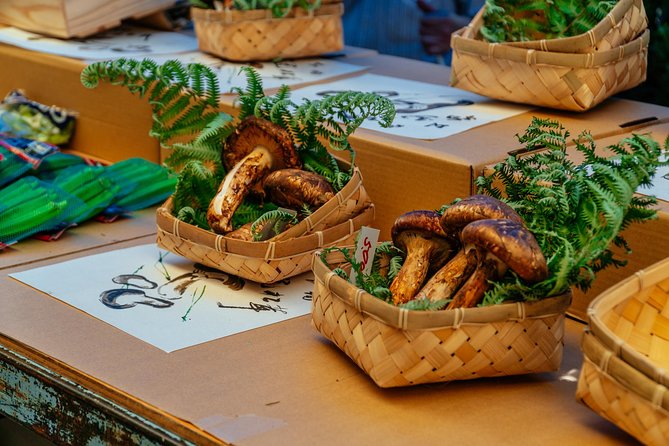
As temperatures begin to drop, it’s time to savor all that fall has to offer. Indulge in Japanese staples like chestnuts, rice harvested fresh from the fields, and aromatic pine mushrooms served up in a piping hot broth. Or feast on grilled Pacific mackerel with pumpkin soup followed by sweet persimmons – each bite more delicious than the last.
But it’s not just about food—autumn brings beautiful visual treats too. Enjoy stunning sights like orange osmanthus blossoms and blood-red spider lilies competing for your attention alongside delicate pastels of chrysanthemums everywhere you turn.
After enduring summer’s heat waves, rejuvenate yourself at traditional ryokan onsens against autumnal chill; making this experience even more special as nature shows off its fabulous colors around every corner. Engage yourself fully into ultimate momiji-gari (Autumn foliage viewing) across landscapes painted perfectly by Mother Nature herself.
Discover More About Japanese Cuisine:
Experience the Elusive Art of Momiji-Gari During Autumn in Japan
Momiji-gari, also known as hunting for red leaves, attracts many travelers to Japan during autumn. The term refers to pursuing maple trees’ crimson foliage but encompasses all hues observed while leaf peeping during Koyo season in Japanese culture.
You can imagine mountains entirely draped with a tapestry of oranges, golds and vivid red hues; approach roads lined with ginkgo trees showcasing tints akin to molten amber leading towards sanctuaries; hypnotizing scarlet and yellowish-red maple leaves laying on iridescent carpets made out of mosses below them – truly picturesque.
Fall has become peak travel time for travelers wanting stunning views while enjoying ideal traveling climate conditions around Japan. Despite being popular among visitors, this beautiful place still offers serenity without reaching those heights seen at cherry blossoming events held earlier in spring called sakura by locals.
If you remain undecided regarding your flexibility dates- Fall stands recommended. But if leaving concurs outside this specific span there are always opportunities awaiting exploration throughout the four diversified seasons available within Japan’s unique eco-system. Consult our informational guide including best periods tailored post pre-informational contemplation sessions tailor-made according-to individualized needs accommodating every sort-of schedule designed especially-for savvy-travelers wondering ‘when-is-the-best-time-to-go.’
Experience Japan’s Breathtaking Autumn Foliage
A trip to Japan during fall is a perfect respite from spring’s transient cherry blossoms as the colorful leaves last much longer. Unlike unpredictable sakura blooms, planning around autumn colors can be relatively easier when you expand your travel options throughout this season.
The koyo zensen or “autumn leaf front” is an annual tradition that follows and documents the changing of foliage across Japan – spreading through Hokkaido, all the way south down to Kyushu and Okinawa over nearly 50 days.
However, for those hoping to catch early glimpses of what awaits them in October-November should note: September isn’t quite it yet. While many countries guarantee leaves turning by early Fall, Tokyo & Kyoto still experience summer weather late into this time with minimal hints that indicate Fall has arrived just yet.
Prepare yourself for one of Mother Nature’s most stunning displays; plan ahead following our insider tips on where exactly when might be best viewed along with other must-visit attractions nearby.
When to See Fall Colors in Japan
For the best fall foliage viewing in Japan, plan your trip for the end of October through mid-November. While Kyoto may offer a glimpse into November, it’s not as spectacular as earlier weeks and varies depending on location and altitude.
To catch peak season before or after crowds arrive, head off the beaten path. North Hokkaido offers stunning autumn landscapes from mid-September until early October while Tohoku boasts beautiful sights starting around mid-October.
Kyushu Island shows noticeable variations throughout late November but expect later peaks compared to other regions. Keep in mind that nature can be unpredictable year-to-year, so anticipate some fluctuations when planning your visit.
Autumn in Japan: A Burst of Colors and Culture
Japan transforms into a painting as autumn arrives, with an explosion of reds, yellows, and browns spreading across the country’s deciduous flora. The Japanese maple tree is just one among many that exude an exquisite shade of crimson during this season; wax trees, rowan berries, linden-leaved maples become resplendent in goldish-yellow hues while Ginkgo biloba or poplars light up with colorful leaves too.
At the same time birch trees,japanese chestnuts,oaks or beeches cast off their brown garments on nature’s catwalk creating cozy scenes to rival any oil paintings. Autumn also heralds “aki no nanakusa,” which involves seven notable flowers & grass announcing autumn arrival celebrated throughout japan- marking the beginning cultural traditions centering around fall foliage viewing parties (momijigari) where friends gather under canopies to spend quality moments watching scenery transformed by seasons bursting colors for reflecting upon life amidst serene environment provided by mother earth itself.
The Manyoshu Poetry and the Enchanting Beauty of Japanese Flowers
When it comes to symbolism in literature, few things rival the romanticism evoked by flowers. In Japan’s oldest anthology of poetry, the Manyoshu, various blossoms are cited including bush clover, arrowroot and thoroughwort.
These enchanting flowers often represent nostalgia for events that have passed – especially those related to relationships – which is tinged with a hint of sadness akin to autumnal transitions. The mere sight or mention of these lovely blooms can bring about stirring emotions within one’s heart.
However when it comes fall season amidst all captivating flora visible during this time transition towards winter takes center stage: pampas grass also known as eulalia or obana stands out from its peers visually due its striking appearance particularly after sunset.
This plant thrives profusely growing amidst wild clumps on mountain trailsides seen fleetingly through train windows passing swiftly beneath cliffs overlooking wide expanses sea water below lofty crags – forming an unforgettable landscape for visitors who can’t help but marvel at nature’s beauty infused across every corner you turn.
Discover the Best Places to Experience Autumn Foliage in Japan
Sengokuhara Susuki Kusahara is a must-visit destination for nature lovers during autumn season. The vast expanse of swaying gold and silver pampas grass is truly mesmerizing and worth every second spent there – even Sting would be captivated by its beauty. But that’s not all, as countless other stunning locations wait to be explored.
In Tokyo, Shinjuku-gyoen garden boasts a delightful display of fall foliage against the city skyline. It creates an amazing fusion between natural charm and urban beauty you won’t want to miss. With vibrant shades adorning various parts of this bustling metropolitan hub, you’ll find plenty more splendid sites promising inviting seasonal views.
Don’t forget your camera when exploring these incredible destinations – they’re sure to leave lasting memories.
Autumn Foliage in Japan: A Guide to the Most Beautiful Gardens and Parks
As autumn descends upon Japan, nature takes on a colorful transformation. The lush green landscapes give way to dazzling hues of red, orange and gold as leaves turn into vivid shades of fall foliage.
To truly experience the beauty of this season, look no further than Japan’s stunning gardens and parks that come alive with vibrant colors during autumn. From Tokyo’s bustling urban landscape to Kyoto’s tranquil temples – here are some ultimate destinations for soaking in Japan’s enchanting autumn foliage.
Tokyo is known for its concrete jungle but within lies hidden oases filled with natural wonder; such as Shinjuku Gyoen National Garden or Meiji Jingu Gaien Park which both provide breathtaking sceneries. Venture beyond Tokyo too if you want more exquisiteness- try places like Hokkaido where vast stretches showcase unique maple trees.
Satisfy your botanical curiosity by exploring these picturesque locations throughout this magical season.
Discover the Beauty of Yoyogi Park’s Autumnal Foliage
Yoyogi Park is a peaceful escape from Tokyo’s bustling districts, situated within easy reach of Shibuya, Omotesando and Harajuku. This idyllic spot offers visitors the opportunity to enjoy the magnificent autumnal foliage while exploring this vibrant locale. To make the most of your visit, we recommend venturing into its southern section split between stations Yoyogi-Koen and Harajuku which boasts an abundance of ginkgo and maple trees that adorn its expanse with their stunning golden hues during fall season. Don’t miss out on this picturesque destination for nature lovers in Tokyo.
Experience the Captivating Autumn Foliage at Icho Namiki and Eikando Temple in Japan
If you’re planning a trip to Tokyo or Kyoto, make sure not to miss out on witnessing the breathtaking autumn foliage. Lined with ginkgo trees, Icho Namiki is one of Tokyo’s most well-known destinations for experiencing this natural wonder. The immaculately maintained trees are sculpted into grandiose teardrop forms that create an unyielding display akin to radiant golden torches illuminating your path.
Meanwhile, situated amidst Kyoto’s vibrant cityscape lies Eikando Temple – truly one of Japan’s quintessential attractions during fall season. As soon as visitors set foot inside its gates, they’ll be greeted by lush greenery juxtaposed against striking shades of oranges, yellows and reds; undoubtedly leaving them mesmerized along every step.
Don’t let this opportunity pass without taking advantage- visit these places now.
Rikugien and Shinjuku Gyoen: Two Tokyo Parks Worth Exploring
Rikugien is a park that should not be missed in the Japanese capital, especially during spring when its famous weeping cherry tree blooms. The garden is also stunningly beautiful during autumn as the colors of maples light up at night to resemble glowing fires. Its grandeur allows guests to take leisurely strolls while enjoying teatime near small waterfalls.
Another magnificent park you shouldn’t miss out on is Shinjuku Gyoen located right in bustling central Shinjuku city. This oasis boasts numerous gardens, groves and trees across vast acres available for scenic viewing featuring different hues bringing picturesque autumnity vibes. On warm days consider taking lunch or opting for picnic corners surrounded by vibrant greens amidst picture-perfect scenery creating unforgettable memories.
Explore Tokyo’s Magnificent Japanese Garden by the Tokyo Dome
Tokyo is renowned for its vibrant urban landscape, but that doesn’t mean it lacks natural beauty. One such example of this harmonious blend between nature and city can be observed in an exquisite Japanese garden located near the prestigious Tokyo Dome.
Not surprisingly, many travelers fall head over heels for this place owing to its phenomenal display of scarlet and crimson maples mirrored on a serene central pond. This breathtaking sight adds another realm of peacefulness to your visit.
However, with increasing admiration comes greater foot traffic which makes navigating through gardens overwhelming. For those looking forward to completely immersing themselves amidst flora without hindrances best time would be during opening hours avoiding rush-hour crowds – making impromptu visits even more worthwhile.
Experience the Beauty of Mt. Takao: A Spectacular Day Trek Near Tokyo
Mt. Takao, a picturesque peak adorned with a shrine atop it, is one of the most popular weekend destinations for Tokyo residents looking to escape city life and enjoy nature’s beauty. This mountain offers unparalleled day treks near Tokyo – especially during fall when the landscape transforms into beautiful shades of reds, oranges and yellows.
With six different routes leading up to its summit, everyone can enjoy hiking here irrespective of their level of expertise in climbing mountains since there are varying levels suitable for beginners as well as experienced hikers alike.
You don’t need much time or effort to get yourself surrounded by natural splendour; instead you simply have to take a 50-minute train ride from Shinjuku Station which will transport you comfortably towards this marvellous trekking spot on Japan’s outskirts.
Discover the Tranquil Hatonosu Valley Trail in Okutama
For Tokyo residents wanting to experience the stunning autumn foliage, look no further than a trip to Okutama. While climbing Mt. Mitake may not be on everyone’s agenda, exploring the peaceful and serene Hatonosu Valley trail is an effortless journey that highlights picturesque scenery along its path.
Lush woodlands decorate this easygoing stroll where visitors can enjoy views of a glistening river bathed by sunlight filtering through trees overhead – perfect for leaf-peeping. Travellers can saunter past ancient temples while experiencing traditional Japanese architecture firsthand.
Whether it’s travelling solo or with friends and family members, hiking enthusiasts will love attending seasonal events such as vibrant local festivals throughout fall highlighting rich culture amidst vivid landscapes just moments from their homes. Journey down any section during Autumn months reveals breathtaking beauty unmatched at other times of year making your venture worth every minute spent indulging in nature’s wonderland.
Discover the Best Temples in Kyoto: A Guide to Popular and Off-the-Beaten Path Sites
Kyoto may be world-renowned for its stunning temples, but with popularity comes crowds. From Kiyomizu-dera to Ginkakuji, top sites can become packed year-round making it hard to fully appreciate their beauty. But fear not. With a little planning and our insider tips, you can make the most of your visit.
First off, rise early when visiting popular attractions like Kiyomizu-dera if you want any chance of avoiding tour groups. That being said, don’t just stick with famous spots as there are plenty of lesser-known gems waiting to be discovered.
So where should you start? Check out our comprehensive guide featuring both well-loved favorites and under-the-radar options that will give you a truly unique experience in this ancient city.
Discovering Nishijin: Temples and Veggie Delights in Kyoto
Izusen, a temple restaurant in the heart of the traditional Nishijin neighbourhood, has become a favourite among locals and travelers alike. Its shojin ryori (Buddhist cuisine) menu is an exceptional choice for vegans and vegetarians who are looking to try something new. But Izusen is not just about its food – every sub-temple exudes beauty with their unique architecture.
Among them all, Koto-in steals the show with its mesmerizing maple leaf tunnel entrance – an autumn wonderland at its peak that will leave you breathless.
Another must-visit attraction lies in Arashiyama district’s most popular UNESCO World Heritage Site – Tenryu-Ji Temple. The stunning landscape garden peppered with maple trees never fails to impress visitors during fall season when photographers flock there from around the world.
While admiring nature’s palette of colours here, make sure you stop by Shigetsu Restaurant which serves Bib Gourmand guide-recommended delicious shojin ryori dishes that promise satisfaction beyond expectation.
Come explore Nishijin neighborhood for unforgettable memories filled with vegetarian delights paired perfectly next to spiritual moments enriched by ancient temples.
Explore Stunning Autumn Foliage at Daigo-ji and Nanzen-Ji Temples in Kyoto
Daigo-ji is a must-visit destination for anyone seeking to marvel at the breathtaking autumn colors that envelop its vast expanse of maple trees. Its popularity among photography enthusiasts speaks volumes about its beauty, making the half-hour journey from Kyoto Station absolutely worth it.
Nanzen-Ji Temple also offers an unforgettable experience during fall as multicolored leaves take center stage on temple steps reminiscent of Scarlett Johansson’s iconic scene in Lost in Translation. This site holds special significance for writer Pico Iyer who treasures it dearly.
Let us be your guide through all things Japan, fuelled by our unwavering passion and appreciation for Japanese culture. Join us on this enchanting adventure filled with experiences richer than those catering towards broader clienteles.
Experience Kyoto’s Spectacular Autumn Colors at Eikando and Botanical Gardens
Located just a short distance from the renowned Nanzen-ji temple, Eikando is an absolute must-visit spot for anyone wanting to take in stunning autumn foliage within the city. And during November, visitors can enjoy special nighttime illuminations that transform this impressive temple into a breathtaking sight.
But what better way to elevate your leaf-peeping experience than with some delicious whipped matcha? Treat yourself while enjoying nature’s beauty.
Don’t miss out on visiting Kyoto Botanical Gardens either – it may not get enough attention throughout the year. The gardens’ vast array of plants and trees promises beautiful fall colors once they start showing through. But even before then, their abundance of flowers will make you feel like you’re dreaming.
From splendid temples to idyllic botanical gardens – don’t let autumn pass by without experiencing these true gems of Kyoto.
Experience Stunning Fall Foliage in Japan
Japan’s autumn months are a picturesque time to visit the country, with foliage turning vibrant shades of red and gold. To fully experience the beauty of fall in Japan, head out of urban areas and explore its natural landscapes. Here are some spots worth considering:
– Hakone: This mountainous region near Tokyo offers views over Lake Ashi that perfectly complement colorful foliage.
– Nikko: Located north of Tokyo, Nikko is home to several shrines surrounded by forests ablaze with vivid colors.
– Kyoto: The ancient capital features many temples whose gardens turn into fiery canvases during fall season.
Don’t stop at these locations – keep exploring for more stunning displays across Japan.
Discovering the Hidden Beauty of Chiba: Yoro Valley
Chiba, Japan’s often-overlooked prefecture outside Tokyo, may be known for its Disney attractions and Narita Airport. Yet there is so much more to explore beyond these tourist hotspots – including some truly stunning natural wonders. One such hidden gem waiting to be discovered by intrepid travelers is Yoro Valley.
Located just a stone’s throw away from bustling cityscapes in Tokyo, this tranquil valley offers eight hiking trails that wind through forests full of glistening autumn foliage in season. It’s no wonder why hikers love visiting during fall—the views are simply breathtaking. These well-maintained paths range anywhere from scenic strolls suitable for families with children to challenging climbs aimed at experienced adventurers looking for an outdoor challenge. So whether you’re seeking adventure or just want a relaxing day trip into haven escape nature near busy modern life—Yoro Valley should not disappoint.
Don’t miss out on one of Chiba Prefecture’s best-kept secrets – come discover the beauty and serenity found only in Yoro Valley.
SEO Keywords: Chiba Prefecture travel guide; Discovering hidden gems around Tokyo; Exploring picturesque Japanese valleys
Discovering Nikko Beyond the Main Area: A Hike into Nature’s Arms
Nikko is a city that delights visitors with its cultural richness and stunning natural scenery. While most travelers tend to focus on discovering the highlights of the main area, there are many other beautiful spots waiting for you beyond it.
One great way to explore Nikko’s nature and landscapes is by going on a hike. The region boasts some incredible areas for trekking enthusiasts that deserve attention as much as the temples themselves do.
If you’re looking for an autumn adventure in Japan, embrace Lake Chuzenji where fall hues will leave you mesmerized while walking through picturesque trails offers enjoyable experiences like no other. Majestic Senjogahara Marsh with peaks rising from behind or driving up past winding roads around Akechidaira Plateau would also make an unforgettable trip if exploring outside of centre-town sounds appealing.
So don’t forget your hiking boots when visiting this enchanting destination – because once out among these mountainscapes filled with colors only seen during Autumn- time spent wandering may be more fulfilling than any temple visit could ever be.
Discover the Underrated Beauty of Ibaraki, Japan
Located just a 2.5-hour train ride from Tokyo, Ibaraki is a hidden gem that should be on any traveler’s list when heading towards northern Japan. With stunning autumn foliage sites like Fukuroda Falls, Mt. Yamizo, Mt Nantai and Okukuji Valley – visitors can enjoy tranquility away from the hustle and bustle of international travelers.
Despite its proximity to Tokyo and abundance of natural beauty, few people know about this gorgeous destination making it an ideal off-the-beaten-path escape for those looking for something different than mainstream tourist spots in Japan. So why not add Ibaraki to your itinerary and take advantage of all this underrated region has to offer?
Japan’s Autumnal Foliage: An Exquisite Display in the North
As September rolls around, Japan experiences a mesmerizing display of autumn foliage. The northern region is where it all begins, with elevated areas such as Kogen Onsen, Mt. Akan, and Mt Asahidake on Hokkaido Island providing a stunning backdrop for hikers seeking an adventure.
The hiking experience can be challenging at times but rewarding for those who have ample energy to spare during their journey from mid-September until October when the leaves start changing colors. Skilled hikers with prior experience will find themselves right at home along these trails.
Discover the Natural Wonder of this National Park North of Tokyo
Nestled just 100 kilometers away from Tokyo, lies a breathtaking terrain – perfect for both walkers and hikers. This national park boasts picturesque trails that snake around remarkably scenic mountainsides, marshy fields teeming with life.
But there is more to it than meets the eye: come September time when fall sets in – visitors flock here in numbers lured by its charm. A sight like no other comes into view – miles upon end stretches out before you displaying lush grasslands painted shades mimicking tones found on autumn leaves; blues and yellows resembling reds.
The allure of this place is unmistakable- be sure not to miss it.
Experience the Stunning Autumn Colors on Mt. Zao’s Slopes
Mt. Zao, renowned for its enchanting ‘snow monsters’ in winter, offers visitors a breathtakingly beautiful tapestry of colors during autumn months. The slopes transform into rich crimsons and deep reds that are unparalleled in beauty.
One can ascend to the peak via an awe-inspiring cable car ride known as the Zao Ropeway which provides exceptional panoramic views you’ll treasure long after your descent from this majestic mountain top destination.
The sightseeing experience through vibrant foliage is simply astonishing while trekking around massive volcanic craters with stunning sulfuric landscapes adds extra layers of excitement to visitors’ itineraries here on Mount Zao.
Don’t miss out on exploring one of Japan’s most prized natural treasures at any time but especially Marvelous Autumn.
Experience Autumn in Japan like a Local: Top Tips for Stunning Foliage Views
A trip to Japan during the autumn season promises breathtaking views of nature’s colorful transformation. Here are some tips that will help you observe foliage just as locals do.
Set out on a Scenic Walk or Hike:
Enjoy nature by taking a hike. It is widely known that hiking and walking amidst nature provides an unmatched experience when it comes to appreciating fall’s luminosity up close – not forgetting they offer opportunities for spotting diverse types of flora seen less often in urban parks. Even if climbing mountains isn’t your preference, enjoy leisurely walks which double as fantastic exercise too.
Take Your Time.
Don’t rush past stunning scenery; instead, take your time absorbing everything around you while enjoying the dramatic color changes from green into fiery reds and oranges – making sure to snap pictures along with scenic spots.
Explore Parks at Night
Some Japanese gardens provide magnificent illuminations featuring bright-colored lights placed throughout trees offering visitors magical night spectacles worth seeing.
Visit Lesser-Known Spots
Popular destinations include Arashiyama Bamboo Grove (Kyoto) and Yakushima Island (Kagoshima). However, lesser-known spots such as Takino Suzuran Hillside National Park located near Sapporo city also present gorgeous displays without being overcrowded – perfect places ideal quietude seekers who want unique experiences whilst observing changing seasons.
Discover the Intricate Details of Autumn
Autumn is a season that begs for exploration. Instead of rushing to see everything in one day, take your time and savor each moment as you uncover hidden gems over multiple days.
As you explore, pay attention to the little details that make this season so special. Marvel at the intricate veins etched onto speckled cherry blossom leaves and appreciate how maple leaf patterns rest atop star-shaped mosses below.
Take joy in finding only the crispest leaves to crush underfoot before they are cleared away by others’ brooms or relish tossing handfuls of golden gingko foliage high into crisp air.
Ditch extensive itineraries and enjoy taking leisurely strolls instead – not only will you have more fun but also recall your photo-op spots much better.
Embrace autumn’s allure with an open mind, willing heart, and keen eye for detail.
Exploring Japan’s Scenic Countryside on the JR East Shiki-Shima Train
When touring through Japan, many people are tempted to move rapidly from one destination to another due to limited time. However, there is something special about taking a leisurely train journey across scenic countryside regions.
For those looking for a luxurious and extravagant experience with elongated itineraries focused on exceptional vistas and sights, several opulent trains traversing picturesque routes are available throughout Japan – one of which is the remarkable JR East Shiki-Shima train.
With its sleek design and elegant interiors featuring private suites complete with panoramic windows overlooking majestic views, this deluxe five-star hotel-on-wheels offers an unforgettable adventure around eastern parts of Honshu island in comfort and style. It provides gourmet cuisine made by top chefs using local ingredients from each region as well as other delightful amenities like spa facilities onboard or cultural excursions off-train that can be customized based upon preferences — all while surrounded by breathtaking natural landscapes during every moment spent aboard.
While exploring stunning sites along your route such as Nikko’s historic shrines & temples UNESCO World Heritage Site including sacred mountains surrounding these underground water ponds called “emerald pools,” you’ll come across further pleasing experiences waiting just outside stations too – whether outlets selling locally-made crafts next door or Nature walks spotting wildlife endemic plants nearby.
To wrap it up: If you’re planning your trip anywhere in east-central regions within mainland Honshu Island at any point soonish then don’t hesitate having taken this once-in-a-lifetime opportunity where comfortable accommodation meets sightseeing excitements altogether equal amounts delight without end would feel only lacking otherwise known earlier- Give yourself over wholly into indulging pleasures offered exclusively via luxurious traveling options Japanese railway has provided precisely crucial spending more quality leisure moments doing so not merely reaching intended destinations quicker than desired ever before possible alone now seemed feasible given existence grandeur transport possibilities hovering just around corners near or far one sets foot upon this land blessed by mountains seas forests abundance culture history dignity honor among people making it impossibly not fall loving mesmerizing nation veiled
Exploring Off-the-Beaten-Path in Japan: Why Renting a Car is Essential
When it comes to public transportation, there’s no doubt that Japan excels. The rail and bus systems are efficient, accessible and reliable. However, for those wanting to explore some of the more remote areas – such as national parks or traditional Ryokans located on mountaintops – relying solely on public transport isn’t an option.
This is where renting a car becomes essential for your Japanese adventure. By carrying your international driving license with you (which can be obtained at any AAA office), you’ll have access to rental cars throughout the country from companies like Nippon Rent-A-Car or Toyota Rental Lease.
With the freedom of having your own vehicle, not only will you be able to reach places off-limits by other means but also travel at your leisurely pace while experiencing stunning landscapes along scenic routes. So if venturing beyond popular tourist destinations appeals to you during travels in Japan; consider hitting up local roads less travelled – they might lead directly into magnificent vistas.
Planning Your Autumn Trip to Japan
If you’re looking to witness the serene beauty of autumn in Japan, then there’s some terrific news for you. Unlike during cherry blossom season, your travel dates aren’t as restricted when it comes to selecting a time for viewing the fall foliage.
However, if iconic locations like Tokyo or Kyoto are on your itinerary list – and they should be – we highly recommend starting atleast six months ahead (or even an entire year) so that finding lodging won’t become problematic farther down the line. Just remember hotels fill up extremely fast.
Hotels and ryokans charge premium prices during this period due them getting consumed quickly once available since travelers from around the world cherish japan’s natural beauty experienced through seasonal colors prominently displayed throughout various scenic areas thus making demand high calling early bookings.
Regarding plans preparation is key; choosing suitable timings is recommended after which several places come into prominence based on visiting hours – crowds can make leaf-peeping less enjoyable than anticipated. So plan accordingly according yo above data provided about experiencing momiji-gari (Autumn Leaf Peeping).
Mother Nature has a mind all her own- adequate planning will certainly assist here but remember that regardless of weather conditions embraced by any picturesque location country encompasses awaits seekers with boundless charm sure enough.
Discover Kyoto: An Enchanting Mix of Tradition and Culture
Kyoto is a city that tells the tale of Japan’s ancient past, replete with exquisite temples, well-preserved pagodas and stunning shrines. With more than 1,600 spiritual sites gracing its landscape – each possessing a unique significance to visitors – this former imperial capital is truly an enchanting experience.
Take your time exploring vibrant neighborhoods like Gion or wander through picturesque parks such as Arashiyama where you can witness nature’s beauty at its finest. Make sure not to miss out on timeless treasures such as Fushimi Inari-taisha Shrine or Kinkaku-ji Temple – two magnificent World Heritage Sites steeped in history.
However, find yourself feeling overwhelmed by crowds while seeking deeper contemplation? Fear not. Travellers are encouraged to venture towards lesser-known sanctuaries scattered throughout the city for peaceful moments alone with their thoughts amidst sublime architectural gems waiting just for them.
So whether you’re looking to explore Japanese tradition or simply seek adventure in one of Asia’s most treasured destinations; Kyoto should definitely be on top of your list.
Enchanting Temples and Shrines in Kyoto
Kyoto is a city of charm and majesty, known for its deep culture, serene temples, and beautifully preserved pagodas. With over 1,600 religious sites dotting the town’s landscape – all possessing unique significance ranging from good fortune to true love – it can be overwhelming trying to decide where to start your exploration. To help you along the way so that no hidden gem goes unnoticed during your visit we’ve compiled this list of some of Kyoto’s most enchanting temples.
The range on offer here includes awe-inspiring landmarks that will leave you breathless as well as lesser-known sacred spaces that provide solace amid tranquil surroundings filled with admiration-inducing architecture seemingly crafted solely for your pleasure alone. While some iconic establishments pull large crowds like moths drawn towards light; others are only known by locals but prove equally authentic when seeking an immersive experience beyond tourist destinations.
So if you’re looking for an insight into Japanese religion or simply want something special then let us guide through our selection below- there truly is something remarkable awaiting everyone who visits these fascinating places in Japan’s former Imperial capital.”
Discover The Iconic Kinkaku-ji Temple In Kyoto
Kinkaku-ji, also known as the Golden Pavilion, is a must-visit destination in Kyoto that’s sure to leave you awe-inspired. Though it can be crowded with travelers at times eager for a glimpse of its golden walls glistening brilliantly under the sun (or visitors who prefer pre-sunrise viewing), I assure you that enduring these crowds will lead to an experience like no other.
This UNESCO World Heritage Site and National Special Historic and Landscape site was founded back in 1397 by shogun Ashikaga Yoshimitsu after purchasing what used to be Saionji family’s villa. This Zen temple has undergone various transformations over time before finally transforming into the stunning Kinkaku-ji complex we see today.
In 1950, almost all structures were destroyed by fire caused supposedly via self-harm attempt made by one young twenty-two-year-old monk; however, unique rebuilding efforts have ensured original designs are still present despite claims of copper-gilt covering having different styles initially – making this historical landmark ever so intriguing.
So if beauty combined with history piques your interest while on holiday about Japan – save some space for discovering breathtaking wonders from our past.
Explore the Tranquil Kennin-ji Temple in Kyoto’s Gion Geisha District
Nestled amongst the busy streets of Gion, one can find a serene haven at Kennin-ji temple. Boasting an exquisite garden and an extraordinary ceiling mural featuring dragons, it is no surprise that this destination attracts many visitors each year.
Despite its popularity, you’ll be pleased to know that crowds are relatively scarce compared to other prominent destinations – making for a peaceful break from the hustle and bustle of city life.
As one of Kyoto’s esteemed gozan (five greatest Zen temples), this hotel has been standing since 1202 and proudly claims to be Kyoto’s oldest running Zen temple. Visitors will marvel at Twin Dragons; awe-inspiring masterpieces created specifically to observe eight centuries since foundation along with golden-gilded screens depicting Japanese deities Fujin (wind god) and Raijin (lightning god).
The gardens here entice nature-lovers seeking tranquility with their elegance and serenity – leaving them with unforgettable memories they won’t soon forget.
Discovering the Splendors of Sugawara no Michizane Shrine
Nestled in the heart of Kyoto city, lies a sacred place that pays homage to revered statesman and intellectual – Sugawara no Michizane. This shrine remains an essential center for seekers of knowledge and inspiration.
Sugawara’s intimate relationship with Tenjin – Japan’s patron deity of learning, makes this holy ground an alluring magnet for scholars seeking blessings during exams or scholarly pursuits.
This illustrious scholar had a profound love for plum blossoms which led to over 2000 grandiose trees being planted around these hallowed grounds. The environs burst into colorful blooms during the advent of spring offering visitors unforgettable experiences (don’t miss exploring more intricacies about this along with cherry blossom season).
The autumn months ignite vivid displays as lush red-maple leaves add strikingly hues to nature’s tapestry surrounding it.
Every month on each twenty-fifth day is when one can find countless vintage wares at Kyoto’s biggest flea market piled up here – including scrolls depicting ancient wisdoms among other refined ceramics exhibiting exceptional craftsmanship. It makes easier than ever before exploring Kamishichiken district – among seven geiko districts lurked within astoundingly beautiful city confines- making it an underrated treasure worth discovering.
So why not visit Sugawara no Michizane Shrine? Experience fascinating history fused with tranquil natural beauty oozing out from every corner while relishing shopping sprees like never before.
Chion-in Temple: A Must-Visit Spiritual Site in Kyoto
Nestled in the peaceful Higashiyama district of Kyoto, Chion-in Temple is a spectacular gem that stands out amongst all other temples and shrines in Japan.
This Buddhist temple complex occupies an extensive area and comprises several stunning buildings including Shoin Hall, Kaisando Hall, Mieido Hall, Amida-do Hall and Daihojo. The sheer grandeur of its architecture will leave you spellbound – from its intricately crafted san-mon gateway to the majestic halls accented with gold leaf decorations.
But what truly sets Chion-in apart from others are the serene haven-like strolling gardens surrounding it. These immaculately landscaped garden spaces such as nearby Shoren-In feature tranquil ponds filled with colorful koi fish , sculpted rock formations imbued within nature amidst mossy green lawns offering picture-perfect spots for photographs worth framing.
Beyond that lies one more reason why this spiritual destination deserves inclusion on your itinerary while exploring beautiful historical sites throughout Kyoto city; steep steps wind through verdant forests towards eastern mountains providing breathtaking views over entire-city skyline only befitting keen visitors.
To wrap it up, irrespective of religious belief or inclination toward history & culture-based tourism experiences could not recommend visiting charmingly graceful yet magnificently divine structures like those found at Chi-onmara inspire deeper appreciation given how seamlessly intertwined these traditions have become part Japanese identity till daytoday life itself here among locals hopefully newfound admiration may accompany memories formed long after any physical trip comes end upon departure too….
Discover Enchanted Mountain Paths and Mesmerizing Views at Chion-in
Make your way up the steps of Chion-in, a historic temple in Kyoto, and be transported to another world as you step through a portal leading straight towards Shogunzuka mound. Nestled within Seiryuden’s temple complex awaits an awe-inspiring structure – the obutai observation deck offering mesmerising panoramic views of Kyoto’s bustling metropolis below.
While there, marvel at one of Japan’s national treasures which is Ao Fudo housed deep inside Seiryuden itself. Please note that access may be limited for most visitors but don’t worry. You can still pay homage to its true majesty by admiring beautiful replicas available on display.
If moss gardens are more your thing then Gio-ji Temple located beyond should not disappoint with pristine landscapes teeming with lush greenery just waiting for you to explore using all five senses.
Embark upon this unforgettable journey rife with beauty sure enough to leave even the most discerning travellers breathless.
SEO-friendly heading: “Explore Breathtaking Views from Obutai Observation Deck near Kyoto’s Historic Temples
Discover the Hidden Gem of Kyoto: The Enchanting Gio-ji Temple
Nestled in the mountainside, you’ll find a hidden gem that many travelers often overlook. The entrance to Gio-ji temple may be easy to miss; however, what lies beyond is simply breathtaking. Although small and easily explored within 10 minutes, this temple’s serene tranquility will have you spellbound for much longer.
Take some time to admire the stunning moss garden resembling an enchanting fairytale scene before exploring the ancient wooden structure with its perfectly thatched roof—the epitome of architectural beauty worth beholding up close.
Legend has it that this peaceful sanctuary came into existence when a young shirabyoshi dancer named Gio was forsaken by her lover who fell in love with another shirabyoshi. As heartbroken as she was, she found refuge at Giovanni-Ji where she lived out her life as a nun – truly an alluring story behind such beautiful surroundings.
Gio-Ji’s tranquil ambiance retains an aura of magic and mystery perfect for contemplative reflections on nature’s serenity underscored by mystical inspiration present here-an ideal retreat from mundane routine activities while visiting Kyoto. Don’t make the mistake of missing out on one of Kyoto’s best-hidden gems located just off-the-beaten-path waiting only for those adventurous enough not afraid to look further than their tourist guidebooks suggest.
Discovering the Tranquil Harmony of Hosen-in
Deep in Kyoto’s eastern hills stands an ancient temple, founded over a thousand years ago to serve as lodging for pilgrims visiting the nearby Shoren-in monastery. Today, that same temple – known as Hosen-in – offers visitors a breathtaking glimpse into Japan’s rich cultural and natural heritage.
Tucked away within Hosen-in’s serene grounds lies one of its most striking features: an awe-inspiring ‘Goyo-no-Matsu’ pine tree which has towered unbroken for seven centuries. As you stroll along moss-covered paths beneath swaying bamboo trees, it is easy to understand why this tranquil garden environment once inspired Murasaki Shikibu – author of “The Tale Of Genji” – to write about this very place so fondly.
Relax on tatami mats while enjoying matcha tea served with exquisite precision by local staff; listen carefully and let yourself be taken aback by melodious sounds emanating from suikinkutsu- earthen vessels filled with small stones & water interconnected by bamboo pipes create meditative vibrations; transforming your visit into an experience that will stay etched in memory long after departure from these sacred surrounds.
Note: For SEO purposes heading should contain primary keyword/key phrase near the beginning (e.g., Experience Serenity at Kyoto Temple)
Discover the solemn significance of Hosen-in’s ‘bloody ceiling’
Hosen-in may be nestled amidst serene gardens and mossy mountains, but visitors will soon find their attention drawn upwards to the haunting sight of its ‘bloody ceiling’. The stained floorboards that adorn this temple’s roof hail originally from Fushimi Castle, where over 100 samurai met a painful demise at the close of sixteenth century battle.
Despite being surrounded by tranquil scenery, Hosen-In serves as a poignant reminder for those who laid down their lives so long ago. Today they continue to inspire reverence – reflected in both these blood-stained relics’ relocation into this temple and via popular tours guided around them on site. Those seeking context regarding Japan’s martial past or an appreciation for eerie historical artefacts should certainly add Hosen-in onto your list.
Exploring the Wonder of Mount Hiei and Enryaku-ji in Kyoto, Japan
Mount Hiei is a majestic peak located right in the heart of Kyoto. It stands tall as one of Japan’s most celebrated peaks with an impressive complex known as Enryaku-ji atop its summit that boasts spectacular views and awe-inspiring architecture.
The journey to reach the top presents a stack of opportunities to explore unique shrines and temples scattered across the mountainside – but visiting them all would be impossible. The trek through verdant cedars en route makes for a stimulating hike while marveling at ancient Japanese ingenuity embodied by structures atop truly reward visitors with architectural delights.
Those who are looking for further adventure can try their hand at ascending stone-kissed paths leading up to Yasui Konpiragu Shrine tucked within Kyoto city limits. This shrine is another stellar example capturing traditional artistry dating back millennia ago.
Come immerse yourself amidst breathtaking natural beauty coupled with spectacular man-made creations on your next visitation to Mount Hiei & Enryaku-Ji just outside bustling urban life’s commotion.
Yasui Konpiragu Shrine and Emakan Museum- The Perfect Destination for Love Seekers
Nestled in the heart of Gion, near Kennin-ji temple stands a charming small shrine that has been attracting visitors from all over Japan – Yasui Konpiragu. This holy place is famed for its magical properties to start or end love relationships.
One of the unique features of this shrine is a large stone with a hole called “love-stone. It’s believed that couples who crawl through it backward while holding an Ofuda inscribed with their beloved’s name will have true love bestowed upon them.
But there’s more to discover at Yasui Konpiragu than just the tradition surrounding its “Stone of Love.” Visitors can also explore one-of-a-kind Emakan museum; revered as the only museum in Japan solely dedicated to Ema – wooden prayer tablets painted and hung outside temples throughout Japan.
At the Emankan Museum, rare examples offer insight into Japanese culture besides being stunningly beautiful. Over generations these ‘Ema’ suffered decayed since exposure meanwhile others vanished together completely but they’re preserved here on display giving spectators chance towards admiring.
If you’re looking for something beyond ordinary travel experiences during your trip then visiting this sanctuary would be perfect plan without any second thoughts.
Discover the Mystifying Beauty of Taizo-in Temple in Kyoto
Located amidst a village-like complex of over 50 temples, Taizo-in Temple is a beautiful sub-temple situated in northern Kyoto. Unlike most other temples within its collective grounds that do not allow visitors, this temple warmly welcomes travelers with open arms.
Walking through the winding paths and ancient buildings surrounding Taizo-In sets an idyllic scene for an afternoon stroll. But what really makes it stand out are well-preserved treasures tucked behind its walls waiting to be discovered by curious souls.
From Kano Motonobu’s immaculate dry landscape garden perfect for finding peace amidst nature to Hyonenzu – Josetsu’s recognized masterpiece dating back centuries depicting ‘Catching a Catfish with a Gourd’ along with Yoko-en pond-and-stroll-style garden as well as suikinkutsu – there sure is something enchanting about every nook and corner at this place.
On top of that, apart from admiring these artifacts up close during day tours at the temple; you can also experience zazen meditation sessions or Japanese calligraphy classes while enjoying special Buddhist cuisine lunches catered by Michelin-starred Zen restaurant Ajiro.
All in all, discovering mystifying beauty stored throughout Kyoto’s magnificent shrines and heritage sites has never been more fascinating than experiencing it yourself firsthand at places like Taizo-In Temple.
Discovering the Beauty of Kyoto’s Temples
Kyoto is a city that brims with beauty, and its numerous temples are no exception. With so many to choose from, picking which ones to explore during a brief visit can seem daunting. But fear not – by embracing curiosity and taking idle strolls down quiet streets, you may just stumble across some unexpected gems that become personal favorites.
The appeal of Kyoto lies in its ability to reveal magnificence around every corner; all it takes is an open mind and willingness to see things differently. So go ahead and learn about the rich culture epitomized by these stunning temples – chances are you’ll be dazzled at every turn.
Exploring Japan’s Specialty Coffee Scene
When it comes to hot beverages in Japan, green tea and sake often come to mind. However, coffee enthusiasts worldwide are getting hooked on the country’s specialty coffee industry – a scene that is rapidly growing in popularity.
In major cities like Tokyo and Kyoto, trendy cafes dedicated solely to single-origin beans or expertly crafted espresso drinks can be found lining busy streets. With baristas carefully roasting their own batches of high-quality Arabica beans sourced from different regions around the world, there is no shortage of unique blends for visitors with discerning tastes.
Many Japanese coffee shops also emphasize aesthetics just as much as they do quality: think minimalist designs featuring natural wood accents paired with handcrafted ceramic wares. And don’t forget about Matcha Lattes; frothy milk mixed with tart matcha powder will provide caffeine lovers an indulgent break during their trip through these stylish destinations.
If you’re looking for a taste of authenticity during your visit, make sure not to miss out on venturing into one (or several.) establishments that offer pour-over brewing methods using top-of-the-line equipment – some even serving traditional drip-style alongside modern gadgets such as filterless AeroPress makers.
Whatever level enthusiast you may be when it comes down picking up amongst various types available here—be prepared by brushing up beforehand about all sorts varieties ranging from fruity offerings originating Ethiopia Himalayas South American nations across Asia dealing every aspect whether roasted degree temperature necessity nitrogen-sealed packaging preserving those fresh whiffs till last drop hits tongue.
So why stop at sushi? Experience a whole new dimension brought forth exclusively by exploring this part paradise meant specifically-designed made-to-order brews poured over pristine grounds delectable flavours tantalising senses alike journey back home after departing shores far east.The Rich History of Coffee Consumption in Japan
From ancient tea ceremonies to modern-day coffee shops, the culture of beverage consumption is deeply ingrained in Japanese society. But did you know that Japan’s love for caffeinated drinks extends beyond just green tea? In fact, the country has a rich legacy when it comes to drinking coffee.
During the sakoku era from 1638-1858, which saw Japan largely isolate itself from international trade under strict regulations, foreign merchants were only permitted access on a limited basis. However, those living on Dejima Island in Nagasaki enjoyed sipping cups filled with aromatic coffee beans – though this drink wasn’t yet popularized among wider Japanese citizens.
Following the end of sakoku and global connections being fostered anew through Meiji restoration towards late-nineteenth century; The importation surged into port cities like Tokyo – where cafes opened their doors around 1888 A.D. Despite significant hurdles posed by World War I & II during these times curbed supplies due can be attributed partly as importing difficulties faced by then-isolated island nation however cultural renaissance came amid mid-twentieth-century ‘swinging sixties,’ caffeine made an iconic comeback making waves all over.
Today’s world sees major importers worldwide scooping colossal net profits worth $1.4 billion alone for Japan within year-end tallies gathered during fiscal periods till date across various industries…
Discovering Japan’s Coffee Culture
Japan is a caffeine-loving nation where coffee enthusiasts will find numerous locations to indulge in their favorite drink. Mainstream options such as Doutor and Starbucks are readily available, but it’s worth exploring the local scene for an authentic Japanese experience.
For those on-the-go, vending machines can be found at every corner of cities or towns. These convenient dispensers offer both hot and cold canned varieties of coffee that comes in different sizes too. There’s no need to worry about lack-of-choice though; there are over 5 million vending machines across the country.
If you’re looking for something more unique then head out into neighborhoods around Tokyo like Omotesando or Shimokitazawa which have trendy cafes set-up within vintage buildings offering hand-drip coffees with beans sourced from all over the world.
Along With sipping deliciously brewed beverages, visitors should spend some time admiring latte art masterpieces – often animals sculpted onto foam-topped drinks- one of Japan’s specialties when it comes down enjoying your cuppa joe.
Explore the Best Specialty Coffee Shops in Japan
Embark on an unforgettable journey to discover some of the best specialty coffee shops that Japan has to offer. Whether you prefer your brew made with advanced technology or handcrafted slowly, each cup promises a unique and exceptional taste experience for caffeine lovers.
No visit to this exotic land is complete without exploring kissaten – Japanese style cafes known and beloved by students and salarymen alike for their delicious breakfast sets like curry rice. And when it comes to experiencing vintage ambiance while sipping perfectly blended drinks made from quality beans ground freshly on-demand every time, Chatei Hatou stands out as one of our top picks.
Located in Tokyo, Chatei Hatou offers an enveloping atmosphere where visitors can indulge themselves in the finest specialty coffees available. So plan your trip today – discovering these hidden gems will be well worth it.
Discover the Best Java Joints in Japan for an Exceptional Coffee Experience
For coffee aficionados, a trip to Japan is never complete without exploring its exceptional java joints. What makes these cafes stand out are their carefully sourced coffee beans from various countries such as Guatemala, Rwanda, Kenya, Indonesia and Thailand. These high-quality beans undergo meticulous roasting and grinding on premises in limited quantities to ensure freshness.
To enhance the sipping experience of each cup of joe served at these establishments, Aeropress or French press techniques along with paper drip pour-over methods are often used by skilled baristas. This results in rich flavors that tantalize the taste buds while keeping true to Japanese traditions.
Whether you’re looking for a cozy spot where you can enjoy your favorite brew amidst relaxing surroundings or adventurous enough to try new blends prepared using unique brewing methods; there’s no shortage of options when it comes to indulging your passion for great coffee in Japan’s top-notch java joints.
Explore the Best Shops for Coffee Brewing Equipment in Japan
For those with an undying passion for coffee, searching for new brewing equipment is a never-ending quest. In Japan, you’ll be delighted to find some of the best shops that feature exceptional varieties of coffee accessories.
To satisfy your every whim and fancy about all things related to coffee-making tools and gadgets from traditional Japanese hand-drippers such as hario v60 or syphon filters through modernized french presses or espresso machines – make sure to check out our selected list below:
1. Kurasu
Located in Kyoto which is known for its tea ceremonies culture.
They have various brands including products they originally developed like their drip bag coffees,
their signature blend cups (collaboration work w/ Kaikado) , etc.
Online shop available as well.
2. Fuglen Tokyo
Small retro-style cafe/bar located near Yoyogi-park area boasting Scandinavian roasts coupled with Norwegian design aesthetics; offering an array of beautifully crafted industrial-looking filtering units alongside classic espresso makers embedded inside school-like wooden cabinetry mounted on antique piano-legs.
3.Intentions by Tamed x Local
With branches across major cities throughout japan(Tokyo,Yokohama,Kobe,Namba,Tennoji)
Specializes mostly on high-end artisanal goods sourced worldwide including designer items but also partner collaborations generated within domestic market ranging anything niche-market oriented yet stylishly practical products.
Don’t forget Eric’s ultimate guide providing expert knowledge into top destinations uncovering inspiring forms where one can procure bespoke item tailored-made just perfectly according towards specific preferences while enjoying journey along visit-
It’s time now commence exploring these gems waiting at& beyond doorstep..
Discovering Japan’s Finest Coffee Shops
Japan has been a leading player in the global coffee scene for decades. From specialty roasts to unique brewing methods, Japan is home to some of the finest coffee shops on earth. While it’s impossible to name all exceptional cafes across the country, we have handpicked top-notch spots from Tokyo, Kyoto and Nagoya that are sure bets for an outstanding cup of joe.
In Tokyo alone there’s no shortage of great cafés:
– Fuglen Espresso Bar offers Scandinavian style interiors paired with exquisite (and award-winning) roast.
– Omotesando Koffee serves up delicious espresso alongside gorgeous minimal design amid a scenic garden setting.
– Glitch Coffee Roasters creates artisanal brews using carefully sourced beans served inside their stylishly sleek location
Kyoto too boasts its fair share:
– Arabica % Ashiyahigashi blends western-style café ambience with excellent house roasts
– Ogawa Coffee sits within peaceful courtyards while presenting sophisticated European cafe vibes using fresh (.) roasted beans.
Lastly; when you visit Nagoya be sure not miss these gems:
-Mamegen exhibits soft ambient lighting matched by smooth jazz tunes as visitors sip single-origin drip coffees brewed beside traditional Japanese snacks.
-Eighty% promises steam-brewed speciality java coming out only 80°C which yields rich yet milder caffeinated beverage than other places.
While this guide may prompt discussion or debate among devoted purveyors;, however If your quest lies beyond sampling ever-more-refined cappuccinos then exploring these avant-garde establishments would make perfect touristic destinations where one can take in local ambiance whilst savouring gourmet-level cups-of-Joe.
Discover Tokyo’s Unbeatable Coffee Scenes with Onibus in Naka-Meguro
When it comes to the coffee scene, Tokyo will delight any caffeine lover. However, one standout gem that burst onto the scene only five years ago is Onibus – a micro-roaster nestled within a tradition-infused house located in Naka-Meguro.
The invitingly minimalist atmosphere of this coffee shop calls for leisurely conversation over specialty Japanese caffeinated delights par excellence. What sets Onibus apart from other cafes? Its Italian-made La Marzocco Espresso Machine coupled with owner Atsushi Sakao’s Australian training are sure to provide an unforgettable experience.
Don’t worry about language barriers when ordering at Onibus as even non-Japanese speakers can readily navigate their English-chalkboard menu clearly displaying which cup-to-be-brewed bean diagram courtesy of local artist “Chalk Boy”. If you’re looking for some of the best coffee and ambiance available in Tokyo today, head on down to Naka-Meguro and discover why so many have fallen under the spellbinding allure that is-;Onibus’ unbridled passion for distinctively amazing cups of artfully brewed java perfection.
Experience Freshly Roasted Coffee and Delectable Desserts at The Roastery by Nozy Coffee
Walking along Tokyo’s Cat Street from Shibuya to Harajuku, you’ll stumble upon a heavenly haven – The Roastery by Nozy Coffee. As soon as you step inside this traffic-free refuge, your senses will be stimulated with the aroma of freshly roasted beans being prepared on-site.
You can watch nattily attired baristas whisk up bespoke espresso shots or indulge in latte art that matches precisely what tickles your fancy. Tempting treats like NY Rings (a delectably sweet twist on cronuts), are also available for patrons looking for something extra indulgent.
The icing on the cake – free Wi-Fi is provided within an ambience so conducive to relaxation; it makes browsing time even more sensational amidst mouthfuls of delicious bites and sips of organic coffee.
Experience Unique Single-Origin Coffee at Arise in Tokyo’s Kiyosumi Shirakawa District
In the heart of Tokyo’s artistic Kiyosumi Shirakawa district lies a cozy coffee shop that is sure to leave an impression. Arise, located in the southernmost point of picturesque Kiyosumi Garden, offers not only delicious single-origin beans but also warm indoor seating and outdoor leisurely strolls through nature.
Owner Taiju Hayashi has taken inspiration from Okinawan cafes rather than Los Angeles’ Arts District specialty shops resulting in a unique take on Japanese café culture. This quaint hotel offers five tantalizing pour-over options selected with precision care for true coffee aficionados.
A must-visit destination especially for those who love walking while enjoying their favorite cuppa joe – stop by during your next visit to Japan.
Unearthing the Ultimate Coffee Spots in Kyoto
Kyoto, a city dotted with temples and other historical landmarks at every turn is also home to some of the best coffee spots. If you’re looking for an authentic brew or just need a caffeine fix while exploring this ancient Japanese capital, we’ve got your back.
Start off by heading down to Vermillion Espresso Bar located in central Karasuma street – here you’ll find deliciously strong espresso shots that could rival any Italy-based café. The minimalist aesthetic and friendly atmosphere make it perfect for relaxing during downtime between sightseeing.
You should definitely check out Takamura Wine & Coffee Roasters next – this charming shop on Sanjo Street combines two things Japanese people are passionate about: crafting wine from locally produced grapes and brewing high-quality coffee beans roasted fresh each week.
Then venture over to GARDENia Organic Café where they serve organic coffee made with several different blends alongside tasty vegan pastries which will fuel both body & soul. This rustic-style space decorated with plants makes visitors feel like they’re nestled deep within nature despite being so near busy streets lined with shops galore.
For those who truly love art as much as their cups of joe, head towards Ogawa Cafe; not only will they introduce speciality coffees such cappuccinos brewed using skillful latte-art techniques but their walls feature works created by local artists (which rotate seasonally). Remember when enjoying your drink there’s no rush – enjoy slowly sipping complex flavors whilst soaking up creativity all around.
Last but certainly not least is Kurasu Specialty Coffee Shop– proudly proclaiming its status on Google Maps search results top ranks because customers globally agree- that what sets them apart against competition stems from unparalleled experience staff gain through travelling throughout Asia sourcing quality green bean suppliers directly- rather than buying blindly online.This dedication ensures robust hints origin traceability per cup pulling flavours inferring a “place” in every mug ordered. For those hesitant trying out drip coffee, their signature flash brew method offers unique taste not to be missed.
So there you have it.
Discover the Unique Coffee Experience at % Arabica Kyoto
% Arabica is a coffeehouse that has taken Japan by storm. It first appeared in the charming Higashiyama District of Kyoto near Yasaka-no-to (Yasaka Pagoda) and quickly gained popularity with coffee lovers across the city. Owner Kenneth Shoji expanded his business to Arashiyama, another picturesque location perfect for sipping on fresh roasted beans.
One thing that sets this café apart from others is its ownership of a stunning coffee farm located amidst Hawaii’s lush greenery where some of their rarest blends originate from. On top of that, each order here features freshly brewed beans sourced from over twenty different locations worldwide, making it an exceptional destination for any caffeine enthusiast looking to expand their palate.
If you are craving excellent quality brews accompanied by breathtaking views- then look no further than % Arabica.
Experience the Supreme Excellence of Sentido Coffee
Sentido offers a unique coffee experience, where top-quality freshly brewed coffee meets knowledgeable and friendly service. Even if you’re new to specialty coffees, their English-speaking experts will guide you through your journey with every cup. Don’t hesitate to ask any questions.
Their Ethiopian single-origin beans provide an exceptional flavor profile that’s hard to match – it’ll leave even seasoned coffee lovers delighted. Satisfy your cravings for more than just caffeine by pairing their delicious blend with scrumptious blueberry muffins or other delectable baked goods from only the finest sources.
Each moment at Sentido is unforgettable- treat yourself today.
Uncover the Best Places to Enjoy a Cup of Coffee in Nagoya
Nagoya, Japan’s fourth most populated city, offers travellers with numerous options for experiencing their morning cup of coffee. Whether you appreciate sipping espresso or fancy pour-overs and lattes topped with delicate latte art, there are plenty of places to fulfil your caffeine craving.
One must-visit hotspot is Blue Bottle Coffee. With over 70 locations worldwide, this speciality cafe has made its presence known on an international level while still maintaining original quality standards. Located near Fushimi Station within Sakae MITSUKOSHI store’s sixth floor complex – expect queues stretching outside the door during busy periods.
For those seeking something out-of-the-box will want to visit Komeda’s Coffee Shop which serves up some unique beverages such as Ogura Toast that comes along sweet red beans spread on butter toast when paired together makes it taste heavenly. Head down early mornings or late nights if peace and quiet ambiance tickles your preferences just right.
If searching for excellent brunch fare poured alongside outstanding coffee — stop by brooklyn Roasting Company (BRC). The hotel next-door experience accommodates any preference possible -whether one prefers dining solo at counter seating concocting filters from Ethiopia roasts ora collaborative vibe where co-workers can brainstorm off each other among table settings lining throughout simple yet intricate interiors designed By Taku Satoh Industrial Designer firm Tokyo based design company that fits trendy stylings making BRC surely Instagram-worthy beyond quesiton
Finally hitting our list Café de Crie not only provides great-tasting blends but also boasts outdoor area housing tranquil water views surrounding beautiful landscapes consisting lush greenery inside Aeon Mall Tokoname brings seasonal drinks crafted using freshly picked produce thereby bringing direct nutrition benefits too guests dropping in anytime
Whatever type of café enthusiast traveller falls into these select establishments easily make up amongst best spots worthy trying whilst enjoying a beautiful Namja town setting – during time in Nagoya.
Trunk Coffee: A Must-Visit for Specialty Coffee Lovers in Tokyo
Located in the buzzing metropolis of Tokyo, Trunk coffee is a specialty café that has earned quite a reputation amongst coffee connoisseurs. In fact, it’s been touted as one of the finest cups of coffee by many who have visited this hotel with great expectations. Co-owned by Yasuo Suzuki and Kiyohito Tanaka – both avid lovers and experts of all things related to java culture – Trunks’ serves premium pour-over perfection that promises an unforgettable experience for any traveler seeking top-quality brews.
While most Japanese cafes emphasize industrial designs using materials such as concrete floors or reclaimed wood accents, Trunk stands out from its competition through vibrant pendant lighting fixtures alongside cheerful mosaic-tiled counters popping with eye-catching dishware elements.
Yashuo had honed his fascination towards Scandinavian-style gourmet coffees during his tenure on Danish soil before returning back home to create innovative blends at his flagship store-Truck roasters-that supplies freshly brewed beans to other branches across Japan from Kyoto down south up until Sapporo hundreds miles northmaking your favorite seasonal espresso available ranging every season creamy pumpkin macchiato whatsoever.Nothing could reinvigorate you better than chilled light refreshment sublime style here throughout muggy summer.
Discovering the Best Coffee in Japan
For coffee lovers, exploring Japan can be a remarkable experience. With an extensive selection of coffee shops available across the country, it’s tough to decide where to begin your journey.
Start with Tokyo and head towards historic district Asakusa for an authentic taste of Japanese-style iced coffee. Savor Yasuda Coffee Shop’s renowned Blue Mountain blend or sample the cake-doughnut combo at Nagatani-en Café Matsunosato while relishing flower arrangement classes offered on site.
Next up is Kyoto. Amidst its serene gardens and stunning shrines lies relaxed cafes such as %Arabica Kyotostation that boasts intricate chemistry sets together minimalist aesthetics creating Instagram-worthy surrounds.
Venture further south Mainland Honshu landmass going down Kobe – home town favourite including UCC (Ueshima Coffee Company) Roastery & Kitchen offering roasting demonstrations amid beautiful forest setting views
and multiple other traditional kissaten serving strong flavoured caffeine mixtures.
Conclude by hopping over Okinawa archipelago visiting Mamekohboori-cha tea room whose unique citrus juice add-ons uniquely enhances drinking experiences
There you have it—our top picks from all around encouraging travellers who worship this popular beverage brews not just relax but also explore new places altogether..
Experience Sumo Wrestling in Japan: A Guide for Travelers
Sumo wrestling is not just a sport, but an integral part of Japanese culture. For those visiting the country, it’s one experience that should definitely be on your travel bucket list.
However, despite its widespread popularity, many travelers still have limited knowledge about this ancient practice. To help you indulge in this exciting sport during your stay in Japan, we’ve created a simple guide to attending sumo matches.
While there are various ways to catch sumo bouts throughout Japan at any time of year – including smaller amateur tournaments and practice sessions held by professional wrestlers – if you’re truly interested, then attending grand-sumo tournaments or ‘bashos’ would be highly recommended.
That being said – here comes the catch- bashos only take place several times per year making them unavailable for most visitors with tight schedules.
A Guide to Experiencing Sumo Wrestling in Japan
Sumo wrestling is a centuries-old tradition that still holds immense significance for the people of Japan. Witnessing this exhilarating sport can be an unforgettable experience, but it’s important to plan ahead and secure tickets early on.
To make things easier for you, we’ve put together a guide detailing all the essential information regarding sumo competitions. This includes specific dates and locations where these events take place throughout the year so that you don’t miss out on any action.
We’ll also walk you through how to acquire basho (sumo tournament) tickets – from online options to obtaining them at venues or convenience stores. Our step-by-step process will ensure that getting your hands on those coveted seats becomes a breeze.
Last but not least, our guide highlights some strategic seating options guaranteedto offer optimal views during each match up – givingyouthe perfect vantage pointsto marvelat these impressive wrestlers as they go head-to-head with one another.
Discover the World of Sumo: When and Where to Catch a Match
To fully learn about the captivating world of sumo, make sure you attend one of Japan’s official bashos – six annual tournaments held at various locations throughout the country. These events offer an incredible opportunity to witness first-hand this centuries-old martial art while also indulging in Japanese culture.
Don’t worry if your visit doesn’t coincide with any upcoming tournament – there are plenty more options for exploring all things sumo. Experience exhibitions hosted between these monumental contests or catch fascinating glimpses into rikishi life by visiting authentic sumobeya (training stables).
If you want a truly immersive experience that puts you right on top of all action but not when everything is super crowded, consider heading over early for morning practice sessions attended both lower-ranked rookies and esteemed higher-ranking wrestlers alike. Witness how they prepare themselves ritualistically before their next battle as energy fills up every inch during true Japenese tradition.
Whether it’s watching challenging bouts from rowdy crowds through some intense training session or simply experiencing exhibition matches close-up within less frenetic framework–whatever level offers something unique awaits anyone looking explore Tokyo beyond mainstream tourist spots full amazing cultural experiences waiting around each corner.
Experience the Traditional Sumo World: From Morning Rituals to Tournaments
Sumobeya, also known as ‘sumo stables,’ offer a glimpse into Japan’s rich cultural tradition of sumo wrestling. Visitors should expect to sit on the floor and respectfully observe morning rituals that showcase rikishi strength and agility. While watching early practice is exciting, nothing compares to fully immersing oneself in an actual sumo tournament.
At tournaments like Nagoya Bashō or Tokyo Ryogoku Kokugikan, visitors can witness intense matches between top-ranked grand champions (yokozuna) and up-and-coming wrestlers vying for promotion through different divisions.
Offense tactics include pushing techniques such as oshidashi or thrust out; throwing moves such as uwatenage which uses an overhand grip; lifting throws called kotenage will see one wrestler utilise their wrapped arm under the opponent’s neck while grabbing their belt at hip-level with another hand before tossing them onto their back.
With over 1000 years of history behind this Japanese martial art form there are certain traditions still observed today;
Before each match begins both competitors toss salt around ringside releasing purification power
A referee clad in black kimono makes sure every element adheres strictly according regulations if not cleaning duties may befall those who fail inspections.
If you’re looking for unique travel experience steeped in culture then visit traditional ssumabeyas followed by attend a tournament where world-class athletes compete putting all they have learnt from life-long training striving daily towards ultimate title – yokozuna.
Experience the Thrill of Sumo Tournaments in Japan
Sumo wrestling has been a part of Japanese culture for centuries and nothing quite captures its essence like attending one of the sanctioned sumo tournaments, or bashos. These momentous events are held six times a year, beginning in January and running through to November.
While each tournament is unique in its own right, three out of these six usually take place at Ryogoku Kokugikan – an aged neighborhood nestled deep within Tokyo’s heartland. The remaining tournaments find their home elsewhere with Osaka, Nagoya and Fukuoka playing host respectively.
There’s no denying that witnessing this ancient martial art form up close is truly exhilarating. Whether you’re observing ceremonial rituals such as Shinto purification rites beforehand or admiring wrestlers’ impressive physiques during matches themselves- there’s something undeniably captivating about being immersed within what feels like another world altogether.
Experience the Thrilling Sumo Bashos Across Japan
Brace yourself for some exciting sumo wrestling action as you discover the dates and venues of each tournament that guarantees a pulsating experience.
Each contest takes place over 15 days, starting on Sundays with another Sunday culminating it. However, locations change every year.
The January Hatsu Basho is held in Tokyo followed by Osaka’s Haru Basho in April while May witnesses NatsuBash at Tokyo before heading to Nagoya for July’s event – Nagoya Bashohelds this festivity; September sees Edo (Tokyo) take center stage againfor AkiBashoin before wrapping up things stylishly during November month at KyushuBashing Fukuoka.
To know more about specific schedules click through to official schedule page of Japan Sumotorney Association.
Choosing your Seat at a Sumo Tournament
Experience the excitement of sumo wrestling in Japan by choosing the right seating option for you. Traditional Japanese culture meets modern comfort as you can either choose to sit on floor cushions or stadium-style chairs.
For an authentic experience, we recommend trying Japanese-style seating and enjoying local customs. However, if height is important to you or sitting on low-to-ground cushioned floors doesn’t sound appealing, then opting for chairs may be more suitable.
When deciding between these two options, it’s essential to know what each tradition offers. For those who prefer traditional style seats with unique experiences such as watching up close how wrestlers wipe their sweat onto sawdust before every bout- go for Tatami seatings. But if enjoying grandstand view along with comfy backrest & leg space sounds like Heaven’s gate; Stadium-seating must suit all preferences☺️ So make sure to think through both choices carefully before making your decision.
Remember that whatever choice suits best: nothing beats being present during one of these thrilling events where athleticism mixes perfectly together into amazing bouts never seen anywhere else in world ????
Types of Sumo Tournament Seats: A Guide
For those lucky enough to attend a sumo tournament in Japan, there are several options for seating. The three primary categories include Japanese-style floor seats in box form, arena-style chair-based seating arrangements and ringside floor overseats. However, the latter is only accessible to specific individuals.
Let’s focus on the two most prominent types of seats commonly found at tournaments – traditional Japanese-style floors mats with cushions versus modern Western-styled chairs for audience comfort and preference.
The Japanese-style box seat offers an authentic experience where spectators sit cross-legged on tatami mats (traditional woven straw) while enjoying delicious bento boxes filled with sushi or other snacks served by kimono-clad vendors. These seats provide an up-close view of all the action from a low angle that immerses visitors into every moment.
In contrast, arena-style chair-based seating provides excellent views but lacks some neighborhood feelings due to its distance away from participants who have grown up watching events using traditional styles so if you want authenticity this may not be your best choice nevertheless they do offer more significant flexibility than their boxed counterparts as one can come & go easily and stretch out legs between matches without any hassle just like stadiums back home.
Ultimately it comes down personal preferences when choosing which type would suit someone better depending on accessibility factors such as mobility limitations vs social ones among many other elements determined according individual needs these vary greatly based primarily upon whether attendees prioritize viewing angles over meal selection. Whatever decision taken people often find themselves captivated by what’s unfolding mere inches away right before them inside halls bubbling energy charged atmosphere rife anticipation waiting spellbinding displays thrilling excitement characteristic gyoji referees calling perfect harmony between stilled movements wrestlers sudden explosive bursts power skill agility effort displayed during battles ring transcend cultural barriers language differences creating universal bond fans around globe alike celebrate shared love enthusiasm sport centuries old tradition alive well today practiced around world large enthusiastic associations impressive athletes whether seasoned veterans fresh new talents each year face off against many challenges sheer determination fierce spirit that embodied sport time immemorial.
Traditional Japanese-style seating arrangements
For those looking for an authentic taste of Japan, the tradition of sitting is a quintessential experience. The traditional Japanese style of seated arrangement allows you to fully learn about this rich culture and enjoy it thoroughly.
As partaking in these arrangements requires removing your shoes, snugly tucking into floor cushions that are neatly nestled into designated boxes creates a harmonious atmosphere perfect for enhancing one’s appreciation for any event or performance happening around them. These boxes don’t just offer top-notch views but also allow you to feel close to all the action – unlike chairs found at typical arenas or venues far removed from their performances.
It should be noted though that as each box accommodates up to four people simultaneously, they may seem small due to closer proximity; however pairing individuals who wish extra space together will solve this issue entirely. This half-portion selection is great especially if someone prefers legroom during their stay while still making sure everyone enjoys themselves completely without feeling cramped even when situated near others on all sides.
Guide to Sumo Seating in Japan
If you’re planning on attending a sumo match event in Japan, it’s best to be prepared for the seating arrangements. The traditional Japanese-style seating can be challenging for travelers with back or knee discomfort, and those who are not used to extended periods spent sitting cross-legged.
It is important to note that box seatings are sold per unit instead of individual seats as seen in western arenas. These boxes cater towards groups ranging from 2-4 individuals and come in various sizes accordingly. It is recommended that you purchase an entire box instead of just one space within it.
Regarding proximity concerning visibility at a sumo match event, there exist three classifications: A (the closest), B and C (furthest) relative based on their distance from the dohyo – which serves as the ring center stage where all action-packed highlights take place.
Box prices typically range between ¥40k-50k yen distributed equally among each member attending said location-based viewing experience… Don’t miss out on this fascinating glimpse into authentic Japanese culture; choose your seats wisely.
Experience Sumo Wrestling from Arena-Style Chair Seats
For those who prefer a more conventional seating style, arena-style chair seats are an excellent option when attending sumo tournaments in Japan. While considerably less expensive than other tickets available, visitors can still enjoy the familiar comfort of sitting on chairs while watching the wrestlers compete.
It’s important to note that these seats may not provide as up-close-and-personal experience with all the action taking place within the ring. However, fear not. The size of any given basho venue is relatively small compared to typical sports arenas – meaning even if seated slightly further back one can fully appreciate and enjoy every aspect of this exciting event with binoculars at hand just in case.
Experience Authentic Sumo Wrestling at the Dohyo
Witness authentic sumo wrestling at the dohyo with a variety of seating options available. Choose from Arena-style seats in A, B and C categories with prices ranging between 4,000 yen to 10,000 yen depending on your preferred distance from the action. Category A provides front-row proximity while category C offers a slightly further view.
During the tournament (basho), rikishi or sumo wrestlers gather around the ring before engaging in thrilling matches that keep audiences on edge throughout their duration. Don’t miss out on this unforgettable cultural experience.
How to Acquire Sumo Basho Tickets
Attending the iconic cultural event that is the Sumo Basho requires careful planning, especially when it comes to acquiring tickets. While our custom trip planning service can take care of all arrangements hassle-free; if you choose to plan your own itinerary, here are some essential pointers worth noting.
First and foremost, ensure that your travel dates coincide with one of the scheduled bashos; attending on any other day would simply not cut it. Once confirmed, determine where you’d like to sit and what budget is suitable for obtaining said seating arrangement(s).
It’s important to note purchasing these coveted spots should be done well in advance as there has been a drastic spike in demand making ticket acquisition more challenging than ever before. So whether through us or by yourself – act fast because time waits for no man at The Sumo Bashu.
Experience Sumo in Japan: How to Get Tickets
Japan is growing increasingly popular among travelers, and with that surge of popularity comes a renewed interest from locals in the age-old tradition of sumo wrestling. Despite most sumo champions coming from countries other than Japan, fans are eager to see their first Japanese yokozuna (sumo champion) in many years.
Getting tickets for these highly coveted events can be nearly impossible without prior reservations. Professional resellers make it even harder by buying up passes en masse. Weekends, especially each basho’s final weekend witness maximum demand for these sought-after tickets.
But all hope isn’t lost for non-Japanese residents who dream of experiencing this unique cultural event – BuySumotickets.com can help you secure your spot at any sumobotai match quickly and efficiently.
Experience the Thrilling Sumo Tournaments in Japan
Attending a sumo tournament is an exhilarating experience that should definitely be on your bucket list when visiting Japan. Although tickets may be hard to come by, there are various ways you can secure your seat at the venue.
One option is buying them directly at the basho location or through convenience stores called conbini. However, bear in mind that navigating this automated ticket system which only operates using Japanese language might require some patience from non-native speakers.
Another alternative would be tour companies such as JTB who have limited batches of available tickets for specific tournaments including guided tours around them. But take note. These popular packages sell out quickly so it’s better to book well ahead of time.
Once you’ve secured your ticket and Bash Tournament Day arrives, buckle up and mentally prepare yourself because witnessing this centuries-old tradition live will not disappoint.
Experience the Grandeur of Sumo: A Guide to Catching Morning Bouts
Congratulations on securing those coveted sumo tickets. As you prepare for your first basho experience, it’s important to remember that sumo matches span an entire day. While many spectators tend to forego catching the morning bouts and only show up later in the afternoon when top-tier rikishi take center stage, venturing out early enough can offer a less crowded arena while still catching some exciting action.
So why should you consider attending the morning sessions? For starters, witnessing lower-ranking wrestlers battle it out among themselves provides insight into their technique and determination as they strive towards achieving higher ranks. Plus, there is a certain charm about being part of this exclusive audience before things get busy with larger crowds arriving for afternoon events.
As you arrive at Ryogoku Kokugikan (the home stadium of professional sumo), be sure to grab a bento box from one of the nearby stalls offering local delicacies such as grilled eel or rice balls stuffed with pickled plum – all perfect accompaniments for watching these awe-inspiring velvet-clad giants do what they do best.
Overall, experiencing both morning and afternoon matches will truly immerse you in Japan’s unique culture and provide invaluable memories during your time here.
Experience the Thrill of Sumo Wrestling in Japan
For an unforgettable experience in Japan, immerse yourself into the world of sumo wrestling. To optimize your enjoyment, we recommend arriving at the venue during mid-afternoon when electrifying vibes start to saturate every inch around you.
Be sure to secure seating before 3:45 pm because soon after that time is when grandeur takes over with entry of top-ranked wrestlers or makuuchi taking center stage. However, things peak further by no later than 4 o’clock as Yokozuna (Grand champions) show off their supreme skills and unwavering strength while initiating fierce bouts ahead.
From beginning till end, watching a professional sumo match promises great entertainment for everyone who enjoys athletic competitions with excitement blended together by cultural flavors unique to Japanese tradition.
Experience Authentic Sumo Wrestling in Japan: A Guide to Watching the Concluding Match
As evening approaches, all eyes turn towards the dohyō as top-scoring sumo wrestlers prepare for an epic showdown during the concluding match. This thrilling spectacle typically kicks off at 6:00 pm (or 5:30 pm on final day of basho), marking a must-see event for visitors to Japan.
Joining this electrifying atmosphere can be overwhelming without any prior knowledge or context. We recommend taking some time beforehand and catching one or two hours’ worth bouts leading up to it – not only does that provide you with insider tips about what’s happening but also paints a more comprehensive picture of authentic sumo culture.
Witness gracefulness mixed with power as skilled athletes perform traditional salt throwing rituals before entering into intense duels over just seconds-long matches – we guarantee you will never forget seeing such raw physicality right in front of your very eyes.
Sumo Experience: Snacks and Drinks
A visit to a sumo match in Japan is not complete without trying some of the delectable snacks and drinks on offer. Whether you’re sipping chilled beer, warming up with sake or taking a nip of Japanese whisky, there’s something for all to tantalize their taste buds.
It has almost become customary to indulge in beverages while watching these mammoth wrestlers clash – it’s all part of the experience. But if alcoholic libations aren’t your thing during bouts, don’t worry – they are by no means mandatory.
For those looking for more than traditional match-day foods such as noodles and sushi can pre-order special bento boxes at the venue itself. With an array of options available that satisfies every palate preference- from savory delicacies like pickled vegetables & seaweed salad to sweet treats like grilled mochi rice cakes; guests will definitely feel spoilt for choice.
Discover the Culinary Delights of Okinawan Culture
The term chanpuru, meaning ‘a mixture or blend,’ is often used to describe the essence of Okinawan culture. And nowhere is this more evident than in its cuisine. The island’s food offerings are an eclectic mix influenced by different cultures and tastes.
Interestingly enough, chanpuru comes from an Indo-Malay phrase ‘campur,’ which has a similar pronunciation and significance as its Okinawa counterpart. It was during Japan’s Edo period that it gained popularity among Japanese speakers through Samurai Champloo – a popular anime series with hip-hop elements set against historical scenery.
From stir-fried tofu dishes spiced up with goya (bitter melon) to traditional pork belly tacos wrapped in shiso leaves called tachiguwa-jiru; from brightly colored beni-imo sweet potatoes to black sugar ice creams made creamy by condensed milk, there are plenty of unique flavors for adventurous eaters here.
So come visit picturesque beaches dotted around off-shore islands like Yoron Island while satisfying your taste buds along the way.
Exploring the Unique Flavors of Okinawan Cuisine
The southernmost prefecture in Japan, Okinawa boasts a vibrant history and culture shaped by its rich trading connections with neighboring countries. Prior to its incorporation into Japan during the late 19th century, this beautiful island enjoyed an independent existence as an autonomous entity for centuries.
One aspect that sets Okinawa apart from other Japanese regions is undoubtedly its cuisine. Drawing inspiration from various Asian influences including China and Southeast Asia, it’s no surprise that visitors are spoilt for choice when indulging their taste buds on this unique island.
As someone who hails from Malaysia – itself famous for being a melting pot of diverse cultures — I find myself especially drawn to the flavorful fusion inherent in traditional dishes such as champuru (a stir-fry dish featuring tofu or pork alongside vegetables), goya chanpuru (bitter melon with egg) and epicuriousness included peanut butter where locals mix them even with sushi rolls.
Along With these delectable mainstays, don’t forget to try out iconic local delicacies such as soki soba noodles served with pork ribs simmered in soy sauce-based broth; pig feet soup known also commonly called tebichi jiru which funnily enough was originally thought up thanks due numerous injuries sustained while working at sea. ;andawamori liquor made through double distilled long-grain rice originated here gives you options aplenty.
Experience Unique Culinary Delights in the Subtropical Ryukyu Islands
The Ryukyu Islands provide an unparalleled opportunity for travelers to venture off-the-beaten-path and experience something new. With a subtropical climate that sets it apart from mainland Japan, these islands boast unique flora and fauna, including native vegetables and seaweeds not found anywhere else.
One of the most amazing aspects of this region is its cuisine – offering visitors dishes like nowhere else on earth. Traditional Japanese dishes are replaced by Okinawan fare featuring pork as their centerpiece instead of fish. The local tofu has a denser texture with creamier consistency compared to typical varieties.
Exploring culinary delights mixed with cultures while enjoying breathtaking scenery is what makes visiting the stunningly beautiful Ryukyu Island unforgettable.
Discover the Culinary Delights of Okinawa
Okinawan cuisine is a fusion of traditional Japanese, Chinese and Southeast Asian flavors. It boasts a unique style that sets it apart from other regional cuisines in Japan.
While travelers often expect to experience typical “Japanese” dishes during their visit to the islands, they may be surprised to find themselves indulging in heavenly island specialties instead. Here are some culinary delights not-to-be-missed by foodies when visiting Okinawa:
1. Goya Champuru: A delicious stir-fry dish made with bitter melon (goya), tofu, ham or bacon and egg.
2. Soki soba: Thick noodles served with succulent pork spare ribs braised for hours until they’re falling-off-the-bone tender.
3. Rafutei: Melt-in-your-mouth slow-cooked stewed pork belly swimming in sweet soy sauce glaze.
4.Taco rice:A local favorite inspired by US military rations – seasoned ground beef on top of fluffy white rice topped off with fresh veggies like lettuce and tomato salsa
5.Sata Andagi- Sweet or savory deep-fried doughnuts typically sold at street stalls all over town either as an afternoon snack paired best with cold green tea.
Don’t forget about refreshing Cuban cocktails such as Habanero Daiquiris which shop up even locally here. Whether you want hole-and-corner sushi bars or grand fine dining experiences along sun-drenched seashores; if your taste buds love exploring new foods & flavors then head-on out towards these small gems tucked away within luscious surroundings.
The Iconic Goya Chanpuru of Okinawa
Okinawan cuisine is rich in flavor and history, with its quintessential expression found in the humble chanpuru. One version that stands out is the Goya Chanpuru – a delightful stir-fry dish composed of slices of bitter gourd, scrambled eggs, pork and even tofu or canned tuna on occasion to seduce your palate.
What makes this particular variety unique are the deep ridges and teeth on their lusciously green exterior which sets it apart from Chinese cousins so much so that white ones can stand too. The acquired bitterness adds an unusual but irresistible flavour profile as you indulge in this vitamin-and-mineral-rich meal. If visiting Okinawa make sure to try this iconic dish for yourself.
Discover the Delicious and Versatile Dish of Goya Chanpuru
Goya chanpuru is a dish that has been perfected over generations in Okinawa, Japan. It’s known for its versatility and ability to please any palate with a unique flavor profile that never fails to impress.
To create my perfect version of goya chanpuru, I start by thinly slicing bitter gourd which adds an earthy bitterness to the dish. The key is cooking it just enough so it retains its fresh crunch while shedding any rawness. To balance out this bold taste, I add loose scrambled eggs and delicate pork belly slices which curl at their browned edges – adding depth to every bite.
But what truly takes this recipe up another notch are Spam ‘fingers’. Adding intense saltiness offers delicious contrast from upscale cuisine usually served alongside but one worth trying. Although tofu could be potentially added as per preference- egg on top imparts all necessary creaminess already present within the dishes structure itself.
If you want even more umami flavors then don’t forget some fish sauce or dashi paste along with liberal amounts of salt according to your individual tastes – try experimenting until you find YOUR perfect rendition of this classic Japanese favourite.
As serendipity would have it, there are plenty of other scrumptious chanpuru dishes worth exploring. Allow me to simply highlight a handful: fu chanpuru presenting pleasantly chewy wheat gluten, mamina chanpuru boasting tender mung beans, tofu chanpuru featuring delectably seasoned chunks of silky tofu and somen chanpurus sporting lengthy strands of hearty wheat noodles. Personally speaking, I’m utterly fond of the latter variety – when crafted with precision and care, every delicate thread exudes mouth-watering umami flavors that mingle beautifully together; an ever-present accomplice being the pickled red ginger perched alongside each plateful.
Discover the Exquisite Delight of Rafute: A Heavenly Pork Belly Dish
Get ready to be swept off your feet by the incomparable taste and texture of rafute – a remarkable dish that will tantalize your senses with its succulent, melt-in-your-mouth pork belly.
The magic behind this culinary masterpiece lies in its preparation; cooked twice over low heat, using soy sauce, kokuto sugar (a type of brown sugar), and awamori liquor made from long-grain rice as primary ingredients – resulting in an irresistible combination of sweet-savory flavors.
With each bite, you’ll enjoy a heavenly experience like no other- dare we say it’s even better than Chinese hong shao rou or dong po rou dishes?
Give yourself the ultimate gastronomic indulgence by trying out rafute on your next trip or whip up at home for dinner party amazement.
Experience the Delightful Flavor of Rafute in Okinawa
When it comes to ceremonial events in Okinawa, there’s one dish that always takes center stage – rafute. This delicious delicacy consists of braised pork belly cooked until tender and flavorful.
Rafute is so beloved on the island that even outside formal occasions, you’ll find it served as a topping for traditional Okinawan soba noodles. Known as sanmainiku, this version features three layers of succulent pork belly slices.
But rafute isn’t just tasty; according to locals, moderate consumption may also promote healthy skin elasticity due to its high collagen and fat content. Of course, those who prefer their meat lean should avoid indulging in too much rafute.
If you’re planning a trip to Japan’s southernmost prefecture and want to taste some authentic local cuisine, make sure to add rafute (and maybe even sanmainiku) onto your list.
Discover the Unique Delicacy of Jimami Tofu in Okinawa
When it comes to tofu, most people associate it with traditional soybean-based products. However, nestled on the island of Okinawa is a special variety known as Jimami Tofu that uses peanuts and potato starch instead.
One standout feature of this delicacy is its delicate stickiness – once you start indulging in it, you won’t be able to resist eating more. While ginger or black sugar syrup are common pairings for dessert purposes, savouring jimami tofu alongside standard styles such as pairing it up with soy sauce along with some wasabi and grated ginger offers an equally satisfying experience.
However, individuals who have peanut allergies must steer clear from jimami tofu at all costs. But don’t worry if that’s the case – shima dofu or “island” soya bean curd can serve as an ideal substitute when in Okinawa. Shima dofu contains high amounts of protein compared to conventional types but has lower water content resulting in dense yet crumbly texture bound to leave you wanting for more.
On top of that, fresh daily produce available conveniently off supermarket shelves makes this local dish one top treat worth trying whenever travelling through Japan.The culinary landscape of Okinawa has been indelibly shaped by the long-standing presence of American military forces, giving rise to a unique fusion cuisine that pays homage to both cultures. A prime example is taco rice, which hails from Kin Town’s Shinkaichi district and owes its creation to nearby US bases. This dish incorporates elements of Mexican food – specifically tacos – into a bed of deliciously steamed rice instead.
What makes this unconventional but delectable one-bowl meal so irresistible? Picture tender minced meat cooked in rich gravy paired with crisp salad greens, juicy tomatoes dripping their flavor all over your tongue and spicy hot sauce providing just enough kick- all served on top of fragrant grains perfectly complemented by oozy melted cheese blanketing it entirely.
Unlike regular hand-held tacos where much filling spills out or falls off before even making it to mouth; biting down onto spoonfuls brimming with succulent goodness nestled cozily within perfect bites can only be described as pure pleasure. With its bold flavors and satisfying textures sure not disappoint any diner open for trying something new albeit slightly different take on traditional south-of-the-border dishes.
Discover the Delightful Umi Budo in Okinawa
Umi Budo, also known as sea grapes or green caviar, is a popular delicacy found around the Japanese islands of Okinawa. It may sound strange but once you’ve tasted it, you’ll be hooked.
This succulent seaweed is cultivated and harvested using mineral-rich waters from surrounding oceans which gives them their unique texture and taste. The word ‘puchi puchi’ perfectly describes how these delightful strands pop when bitten into with tiny salty bubbles sizzling on your tongue.
One of its many applications include being served as ice cream during scorching summer days. Using ponzu sauce to dip this savory snack elevates its flavor profile to perfection giving an irresistibly sharp and tangy kick.
If enjoying umi budo at izakayas (Japanese bars) sounds appealing to you then we’d recommend drinking cold Orion beer along-side it for maximum refreshment or trying awamori -a distilled rice liquor from Japan- that will complete your culinary experience unlike any other.
Discover the Allure of Awamori: Okinawa’s Island Sake
If you’re a beer lover in Okinawa, Japan, chances are you’ve tried pint-sized Orion. But if you want something stronger and more unique than your usual brews, look no further than awamori — an increasingly popular spirit dubbed “island sake.
Crafted from long-grain rice fermented with natural black koji mold sourced indigenously before being distilled (comparable to shochu), awamori boasts Thai rice instead of locally grown ones due to trading connections between Thailand and Okinawa several centuries ago.
The name ‘awamori’ originates from two characters meaning ‘bubble or foaming,’ plus ‘swell.’ Even though there aren’t any carbonated elements present within Kawai’s brewing process that would create foam/bubbles during distillation vats; history books testify otherwise about its fizzy nature making this coined terminology stem back ages past-to-present day.
So when exploring through beautiful lands comprising lovely sunny beaches harmonizing together perfect getaway destination providing unparalleled serene experiences only found here at these bountiful shores ripe waiting guests like yourselves just bursting moments relaxation happiness ever-found anywhere else world-right now await-all who dare seek them discover themselves deep heartwarming embrace region welcoming loving arms unbeatable warmth gentlest hospitality imaginable half-world away any troubles worries seem insignificant suddenly forgotten replaced nothing sweet joy spectacular beauty land surroundings soulful inhabitants sharing variety multi-cultural influences lifelong enriching educational endeavors-take make treasured memories forever-lasting lifetime!
And don’t forget to sample some authentic awarmoi while you’re at it – deliciously refreshing.
Discovering Awamori: Japan’s Potent Liquor
With an alcohol content of at least 50 proof or more, awamori can evoke intimidation in those unfamiliar with it. However, this drink is much like Japanese whisky; its aging process melds flavor notes and turns the sharpness to mellower richness over time when placed in traditional clay pots. The longer the ageing period means that volume consumption will be easier as a result, leading many drinkers waking up feeling weighed down by their prior night.
To balance out some potential risks associated with consuming such strong liquor locally add ice water while others prefer mixed cocktails made better utilizing shikuwasa juice for personal touch & enjoyment – modern-day locals are always innovating new ways to enjoy awamori.
Discover Awamori and Shikuwasa: Okinawa’s Culinary Treasures
When it comes to exploring Japanese cuisine, don’t miss the chance to try some of Okinawa’s local culinary treasures – awamori and shikuwasa.
Similar in taste profile to sake, awamori is a distilled liquor made from long-grain indica rice. It can be enjoyed on its own or used as an ingredient in various dishes. For instance, koregusu hot sauce features an infusion of chili peppers into awamori which adds depth when paired with classic noodle-based meals like okonomiyaki soba.
Torment your taste buds further by swapping out traditional cooking liquids for this bold flavoured liquor; use it in place of sake while slow-cooking pork belly rafute across southern regions – you won’t regret this unique substitution.
To balance out these rich tastes perfectly are fresh slices of shikuwasa (known locally as hirami lemon); a small citrus fruit native solely to southern Japan which imparts mouth-watering sour notes that work wonderfully alongside savory dishes.
Discover Japan’s Little-Known Citrus Fruits
Japan is renowned for its cuisine, and one of the little-known treasures locals savor are their native citrus fruits. Many regions boast unique varieties that remain largely unknown outside of their borders. These include kabosu, sudachi, daidai, ponkan, kinkan and amanatsu – all alongside the popular yuzu.
One such fruit indigenous to Okinawa and Taiwan is shikuwasa – a small green citrus with an intensely sour flavor profile reminiscent of a tart lime-tangerine hybrid. Shikuwasa finds itself into everything from soy sauce to glasses of awamori on this island paradise- as slices or jam – but what you’ll see most ubiquitously are sweetened cans sold at vending machines or supermarkets alike.
Don’t miss out on discovering these delectable Japanese treats during your travels.Mozuku – this peculiar seaweed has the power to divide opinions. Its acquired taste is notorious, even more so than its cousin umi budo (sea grapes). As for me? Well, I happen to adore these slippery brown tangles of slimy goodness, but let’s just say it’s an experience not everyone might enjoy. However using mozuku could prove invaluable in your quest towards a healthier immune system since they boast numerous minerals that aid strengthen immunity; Ah the ever-famous Okinawan longevity.
A delightful spin locals around Mozuku showcase through “mozuku tempura,” where most things can find their flavors deep-fried and elevated. Or if you’re as enthusiastic about varied textures as I am- give marinaded vinegar and soy sauce Infused mossy treasure found slurpingly delectable.
This delicacy appreciates a humble presence on appetizer plates gracing Izakayas or finds solace packed sensitively into small plastic containers at supermarkets ripe with options one may explore like never before.
Discover the Deliciousness of Okinawa Soba
Okinawa soba is a must-try for food lovers visiting Japan. Though often compared to ramen, this dish boasts its unique flavor that locals swear by. Thick and curly wheat-and-egg based noodles are served in a flavorful soup with succulent pork cuts, onions and fish cakes adding texture.
One thing to remember: despite being called “soba,” buckwheat-based noodles aren’t used in this dish. But fret not. The thick handmade noodles take on flavors beautifully thanks to their delicious broth made from simmering skipjack bonito rich kelp along with tender meaty pork bones sourced locally from Okinawan shores.
What makes it stand out? It’s all about the divine broth that provides an enchanting blend between traditional Japanese dashi flavors infused with local island cuisine favorites like goya (bitter melon) or awamori (distilled spirit). So head over and sample some soulful bowls of authentic Okinawa soba.
Discover the Flavors of Okinawa: A Guide to Must-Try Dishes
Okinawan cuisine is known for its unique blend of Japanese and Southeast Asian flavors, influenced by centuries of trade with neighboring countries. One dish that exemplifies this fusion is Okinawa soba – a hearty soup made with wheat noodles in a broth infused with pork bone and bonito dashi.
But what sets it apart are the toppings. Sanmainiku (three-layer pork belly) reigns supreme but diners can opt for other popular options like soki (bone-in ribs), nankotsu soki (ribs with cartilage), or tebichi (pig’s trotters). The broth’s piquancy is elevated by the addition of pickled red ginger, while a sprinkle of koregusu—a local condiment made with awamori and chili peppers—provides an enjoyable jolt.
In Okinawa, every part of the pig is celebrated on plates except its oink; one such delicacy being mimiga – sliced pig’s ears boiled until thin and crunchy. This addictive appetizer boasts unique textures sure to tantalize adventurous eaters’ taste buds when served alongside mayonnaise dipping sauce or vinegar dressing flavored peanuts/salt / sesame nutty dressings making it perfect snacking during beer-times.
Whether you’re looking for something comforting or daringly delicious, experiencing authentic dishes from this island will surely be memorable.
Conbini Hacks: The Secret to Stress-Free Travel in Japan
Travel planning can be overwhelming, especially when it comes to logistics. But don’t worry – In Japan, their convenience stores or “conbini” have revolutionized travel like never before. The thought of carrying heavy luggage onto trains and bullet trains while also keeping your money safe and not forgetting essential items along the way is daunting. However, Japanese conbinis offer creative solutions that’ll completely elevate your travelling game.
With our recommended conbini hacks, you’ll experience seamless adventures throughout Japan without any hassle. From buying train tickets and souvenirs to withdrawing cash and enjoying delicious meals on-the-go; these convenient stores indeed are a traveler’s best friend.
So if you’re looking for easy ways to plan a stress-free trip around Japan start with visiting some famous chains such as 7-Eleven or Lawson store during every stopover.
Conveniently Acquire Yen from Global ATM Networks in Japan
In today’s world, credit cards are becoming increasingly popular. However, when it comes to purchasing anything in Japan, cash still holds the throne as the primary mode of exchange. This is particularly true for smaller businesses that often rely solely on tangible currency for transactions.
Hence carrying physical yen with you becomes a necessity while exploring this beautiful country. It may be daunting at first but understanding more about yen bills and coins can help make navigating through Japan’s monetary landscape easier.
The good news is visitors have access to ATMs catering globally accessible services throughout the country allowing them to easily withdraw money using their international debit or credit card without any hassle.
Remarkably enough 7-Eleven stores widely available across Japan provides an effortless supply of Japanese currency enabling one never run out during emergencies since they remain open all day every day.
Convenience Stores in Japan: Why 7-Eleven Stands Out
When it comes to convenience stores in Japan, there are plenty of options available. However, none can compare with the services provided by 7-Eleven which has been setting a benchmark for its competitors across the country.
Despite striving hard to keep up with latest developments and offering Automated Teller Machines welcoming international cards as well, other conbini enterprises such as FamilyMart still cannot compete at par with what is being offered by 7-Elevan; making them one step ahead from their rivals consistently.
Discover Japan’s Effortless Luggage Forwarding Service
When it comes to traveling in the land of the rising sun, there is one convenience that visitors shouldn’t overlook: Japan’s exceptional luggage forwarding service. This may seem like a small detail at first but trust us, it can make all the difference when exploring numerous destinations around this stunning country.
The good news? You don’t have to go out of your way or spend any extra time waiting for suitcases on airport conveyor belts. Most high-end hotels and ryokans offer an effortless and reliable luggage forwarding service through their front desk staff team.
And if you’re staying with friends or using Airbnb services throughout your travels – no worries. Everyone has access to these impeccable services available anywhere across Japanese cities upon request.
So why not take advantage of this fantastic amenity during your next visit? It’ll undoubtedly enhance your experience by making travel more comfortable and stress-free than ever before.
Conveniently Leave Your Luggage at Local Conbinis in Japan
Traveling light is the key to an enjoyable trip, but navigating a foreign country with heavy luggage can be stressful. In Japan, however, there’s a simple solution: leave your bags at the nearest conbini (convenience store).
Popular chains like Lawson and FamilyMart offer this service for around 500 yen per day. All you need to do is fill out some paperwork and hand over your baggage – it’ll be stored safely until you return to pick it up.
For added convenience, Kuroneko Yamato offers even more options – they’ll willingly send your belongings straight from any of these stores directly onto their flight which will end up awaiting collection after landing on its departure terminal upon arrival.
And if filling out forms isn’t quite mastered yet due language barrier fears- as long as users follow along with helpful illustration graphics explaining what’s needed while doing business within different establishments- complete freedom awaits without worry once again.
Discovering Exquisite Cuisine at Japan’s Convenience Stores
Japan is well-known for its exceptional cuisine, but did you know that convenience stores (or conbini) in this remarkable country offer some of the most delicious food options? While it might not come as a surprise given Japan’s love affair with all things culinary, their selection of gourmet meals leaves other countries’ convenience store offerings far behind.
Of course, there are plenty of sugary treats and snacks available to satisfy any sweet tooth cravings. However, what sets Japanese conbini apart from others is their focus on quality ingredients and creative dishes. You’ll find an extraordinary range of sushi rolls made fresh daily or bento boxes filled with tasty rice balls paired up with seafood delights like salmon sashimi or tempura prawns.
Other delectable temptations include baked goods such as melonpan – sweet breaded pastries shaped into cute doughy balls studded with chocolate chips – oden hotpots simmering away near entrance doors; where bite-sized bowls filled stew-like meatballs get transformed by adding condiments before indulging them rightaway.
If you’re feeling adventurous during your visit to Japan be sure not forget exploring these uncommonly satisfying dining experiences found within each city’s street corner: unique flavors tailored perfectly towards locals’ tastes only await.
Convenience Store Delights in Tokyo: Your Guide to Japanese Snacks
A trip to Japan would not be complete without a visit to the vibrant, neon-lit streets of central Tokyo. And while sushi restaurants may spring immediately to mind when thinking about foodie jaunts through the capital city, there’s another culinary adventure that shouldn’t be missed – a whirlwind tour of convenience stores (conbinis) for some delicious yet affordable snacks.
At these versatile establishments you’ll find an impressive range of ready-to-go meals and treats at reasonable prices. The conbini menu packs quite a punch with its mouth-watering onigiri variations which are rice balls stuffed with different fillings like umeboshi(plums), tuna or salmon. In addition, you can also relish from their endless array of bento boxes along with salads and appetizingly colourful sandwiches such as tamago sando or egg sandwich that is renowned among locals.
The instant noodle section alone will have your taste buds buzzing- everything from traditional chicken ramen broth bowls noodles spicy Korean-style varieties. Indulge yourself further by trying out oden – intensely satisfying bowl filled hot soupy combination perfect after long flights especially craved every time we arrive back home in Japan- served fresh all day.
With so much choice it might seem overwhelming but rest assured any delicacy available here comes recommended; ultimately our favourite end up been Kanaokaya fried Chicken yummy heaven delivered packaged within paper bag sitting beside miscellaneous energy drinks .
Wrap up this grand feast experience cooling off sweltering summer days’ smooth chilled green tea option or crack open beer cans ranging Asahi Super who needs plush formal settings boasts stunning views amidst concrete jungle fret living area simply take stroll towards local convenient store huge number during extended hours till midnight even later ensuring round-clock fulfillment urges cravings sake tantalising fairytale discovery Kyoto beckons beyond … This country’s cuisine knows no bounds; it just keeps getting better.
Where to Find Quality Coffee in Japan: The Convenience Store Solution
If you’re an ardent coffee lover, traveling around Japan may prove challenging when trying to get your caffeine fix first thing in the morning. Most cafes and bakeries don’t open until late morning, leaving visitors searching for alternatives.
However, fear not – there is a solution that won’t break the bank. Skip overpriced vending machine drinks and head straight to any of Japan’s ubiquitous conbini convenience stores instead.
While it might not be at par with third-wave cafés revered by global coffee cultures, Japanese conveniences stores serve up quality brews at unbeatable prices. Whether you prefer black or fancy something more milky, these outlets have got your back.
So next time you need that early-morning boost while exploring Japan’s cities and towns ensure that stopping by one of their numerous convenient stores is on your itinerary- we promise you won’t regret it.
Travel Essentials: A Guide to Japanese Convenience Stores
When it comes to travelling, packing efficiently is key. But what if you forgot something or need a last-minute item? Fear not – Japanese convenience stores have got you covered.
These stores are more than just places to pick up snacks and drinks. They offer an impressive selection of travel goods and toiletries that cater specifically to travelers’ needs. From toothpaste and cotton swabs to phone chargers, eye masks, socks, dress shirts (and even ties.), these shops truly live up their name as being convenient.
Needless to say, the options at these convenience stores don’t stop there. You can also find design items from popular brands like Muji for all your organization needs while on-the-go.
And if you’re looking for unique souvenirs or fun miscellaneous items beyond your typical travel essentials checklist – look no further than Don Quijote. This chain store has earned itself a reputation as “the most random place in Japan,” with aisles filled with knick-knacks ranging from inflatable fruit-shaped hats or quirky fashion statement pieces.
Keywords: Travel essentials, Japanese convenience stores
Staying Connected: Complimentary Wi-Fi in Japan
When it comes to accessing free and reliable Wi-Fi, Japan may not be the first country that springs to mind. However, fear not – there are plenty of options available if you know where to look.
Firstly, consider investing in a portable hotspot device for peace of mind while on the go. Alternatively, head over to your nearest convenience store or ‘conbini’ which often offer complimentary internet access (perfect for checking emails or messaging loved ones).
So ditch those international roaming charges and get connected with these handy tips.
Getting Connected: Wi-Fi and more at Japanese Conbini
When in Japan, you don’t have to worry about staying connected anymore. Passing by a convenience store chain such as FamilyMart or 7-Eleven is enough for availing complimentary Wi-Fi services that simply require entering your email address.
But what else can these conbini offer? While the need to print or fax documents might not be high on every traveler’s list of priorities, it does arise sometimes – especially when there’s no time to go searching for an office supply store.
This is where conbini come in handy yet again. Our convenient guidebook outlines various copy/print/fax options offered by FamilyMart and Seven Eleven stores across Japan so travelers can stay prepared for any potential emergencies during their trip.
How to Score Tickets to Exciting Activities in Japan with Ease
When travelling abroad, scoring tickets for events and activities can be a daunting task. However, when exploring Japan, this is not an issue as most convenience stores offer ticket kiosks that make it easy for you.
Even if your stay is short-term or only passing through the country on vacation, these kiosks will come in handy since they provide access to exciting exhibitions, concerts and other activities without hassle.
One of the experiences worth checking out while in Tokyo is visiting Ghibli Museum. With its stunning exhibits highlighting animation history from legendary director Hayao Miyazaki’s Studio Ghibli production company; travellers may think snagging tickets would prove challenging. But thanks again – Lawson Convenience Stores’ convenient approach lets visitors book easily online or at their local store.
The facility also sells domestically-operated flights effortlessly & sans credit cards – leaving more time available by taking care all aspects related before arrival here instead beforehand so no surprises arise down later goals need dealt handling alongside easier little how organically things flow smooth guaranteed safety paramount priority foremost focus remain pleased possible throughout entire logistics associated travel plans set right place yourselves setting sail ocean adventure together-made unforgettable memories waiting ahead each day spent gradually building upon itself until bursting forth once-in-a-lifetime moments ready capture lens always keep eyes open essence being alive fully present whole journey tops anything else could imagine experiencing altogether singularly magical concoction pure awe amazing experience never forget.
Maintain Clean Sanitation Facilities While Traveling Abroad
When traveling to foreign destinations, it’s crucial to be prepared for any situation. One essential factor in ensuring a comfortable trip is access to hygienic sanitation facilities. No one wants to spend their time worrying about finding a restroom or compromising their original plans.
To avoid these situations, do your research beforehand and identify areas with accessible restrooms. Shopping centers are often reliable options as they typically have clean public bathrooms available.
Another option could be blending into the lobby of hotels discreetly and using their bathroom comfortably if needed. Although this may seem like an awkward approach at first, remember that many travelers also practice this method regularly.
Lastly, cafes can sometimes provide toilets; however purchasing something from them should never compromise our initial agendas while exploring new places.
Note: The re-write removes the self-reference phrases (“my brain,”I ponder”) focusing on the objective nature of travel writing for Rough Guides’ style guide purposes.
Restrooms in Japan
When it comes to public lavatories, Japan offers a high level of convenience and accessibility. In fact, finding a restroom during an emergency situation is the least of your worries when you’re traveling here.
One reason for this are conbinis or convenience stores located almost everywhere which offer complimentary restrooms that can be accessed even if you’re not buying anything. All you need to do is walk confidently towards the store’s back end or ask one of their friendly staff members for directions and bid adieu to your anxieties.
So go ahead and enjoy exploring all that Japan has to offer without worrying about where nature may call.
Experience the Convenience of Conbini While Traveling in Japan.
Convenience stores, affectionately referred to as ‘conbini,’ are an integral part of Japanese culture that locals and travelers alike appreciate. We aim to give you a glimpse into the wonders of conbinis in Japan by sharing our top travel tips that make your journey around this country much smoother.
With over 50,000 convenience stores scattered throughout every nook and corner, these outlets provide everything from daily essentials like toiletries and groceries to gourmet meals ready-to-eat on-the-go. For travelers exploring new lands or experiencing language barriers for the first time, knowing what lies inside each aisle can be daunting – but fear not. Our insiders’ guide will have you navigating through aisles with confidence.
At any hour of day (or night), operating round-the-clock services is one thing conbinis do best offering cash withdrawals at ATMs compatible internationally comes particularly handy when short on yen during odd hours outside banks.
Along With providing various facilities such as photocopying and printing instant photos providing Wi-Fi access wayside along high-speed network expressway routes welcoming customers steadily serving fresh coffees tasting great value bento boxes snacks selected some local cuisines also only sold regionally; there aren’t many things which seem out-of-reach within their doors always open wide everyday daytime until late even sleepless nights.
So next time you’re looking for a quick bite between adventures or need medication while traveling through Japan’s most remote areas – head straight towards those warm glowing fluorescent signs reading “コンビニ”. Trust us; You won’t regret it.
Discover the Vibrant and Inviting Spirit of Hiroshima
Nestled in Japan’s Chugoku region, stands the exuberant metropolis of Hiroshima. Despite its tragic past, this city has risen from ashes to become a symbol of peace and hope that touches hearts worldwide.
Hiroshima welcomes visitors with open arms into its optimistic embrace while offering ample things to do during their stay. The bullet train makes it easily accessible from Osaka or Kyoto within 90 minutes or four hours out on Tokyo – perfect for any itinerary.
Whether you opt for day trips overflowing with once-in-a-lifetime opportunities or extended stays where you can delve even more profoundly into one-of-a-kind excursions hand-picked just for you. From fascinating museums like Peace Memorial Park & Museum dedicated memorials scattered throughout town; there is no shortage here when it comes down experiences filled poignancy waiting your arrival.
So dive right in by unraveling our top recommendations below before embarking upon unforgettable moments destined fill your heart forevermore – join us today discover vibrant inviting spirit awaits all travelers who venture through delightful land known simply as “Hiroshima.
Discovering Hiroshima: Beyond Tragedy to Thriving Metropolis
The city of Hiroshima is renowned worldwide for the devastating events that occurred in 1945, when it became the first target of an atomic bomb attack. However, there’s much more to this remarkable metropolis than its tragic past.
Founded as a castle town back in 1589, Hiroshima grew rapidly during Japan’s Meiji period and emerged as a key urban center. Despite suffering catastrophic damage from bombing at the end of World War II – causing widespread destruction and loss of life – today visitors are greeted by a bustling modern hub with diverse cultural influences.
Visitors can immerse themselves within trendy neighborhoods teeming with exciting new foods while still exploring ancient cultural landmarks which recount fascinating historical tales- all creating unique experiences no matter what your interests may be. So come discover everything that makes up breathtakingly beautiful yet historically afflicted city filled resilience at every turn- you won’t regret making it part.
Keywords: history, tourism, culture-rich,historical monuments
Discover a Bounty of Choices to Suit Your Desires
Set out on a journey full of diverse possibilities, customized just for you. Take your pick from an array of options that cater specifically to your interests and curiosities. Enjoy the rich tapestry woven by history through visits to fascinating historical sights or explore vibrant arts and culture scenes. Indulge your taste buds with regional food specialties unique to each destination. The choice is ultimately yours – whatever path you choose, be prepared for adventure and discovery at every turn.
Explore the Cultural Treasures of Hiroshima: Must-Visit Landmarks and Monuments
Hiroshima is a city that has seen its share of tragedy, having suffered atomic bombing at the end of World War II. However, this only adds to its historical richness and cultural significance. This vibrant Japanese city boasts an array of incredible landmarks steeped in history and symbolism.
Ready to embark on a journey through time? Here are our top three picks for unmissable architectural wonders in Hiroshima:
1) The Atomic Dome – One cannot think about Hiroshima without paying homage to what remains as one haunting reminder –The Atomic Bombing–the A-bomb dome (Genbaku Domu). Located opposite the Peace Memorial Park next door, you can still see visible scars left by 1945’s fateful event which wiped out everything; however surprisingly leaving behind few structures standing erect including A-dome being burnt from all sides appearing ghostly yet preserving voices against nuclear war manifesting worldwide peace movement today.
2) Itsukushima Shrine – located just off shore Miyajima Island–this UNESCO-listed shrine stands almost miraculously above water tide every day since it’s constructed over poles made use remarkable engineering prowess with characteristic orange colour gives picturesque view mesmerised tourist cum pilgrims across Japan throughout year especially at night when illuminated goes surrealistic worth seeing visual treat.
3) Shukkeien Garden – Situated south-central part downtown—a small Ryoan-like former villa garden showcases miniature pieces sceneries stock phrase borrowed Chinese poem Shi Jing “each thing amazing but incomplete unless placed context other things”. Experience tranquility walking along pond surrounded stone bridges trees taking breath fresh air amidst hustle bustle urban centre—you’ll fall love exotic beauty retain forever.
In summary, visiting these iconic destinations will allow you an eye-opening insight into both the historic legacy & contemporary culture present within this phenomenal destination called Hiroshima.
Discover the Hiroshima Peace Memorial Museum
The aftermath of the atomic bombing that struck Hiroshima on August 6th, 1945 still reverberates today as a stark reminder of man’s capacity for destruction. The poignant monument to this tragedy is embodied in the peaceful serenity of its adjacent museum.
Visiting this museum offers visitors an opportunity to reflect deeply upon grim events from decades ago and appreciate how remarkable it has been for this vibrant community to make such incredible strides towards progress.
Located near ground zero, at first glance entering into The Hiroshima Peace Memorial conjures up overwhelming feelings but stands invaluable for comprehending not only what transpired during those dark days but also highlighting ways society can learn from past mistakes better.
Museum exhibits are sensitively curated with emotionally moving personal effects which offer important lessons relevant today about peace building through international cooperation between nations so akin dreadful occurrences never have a place again in history. Visitors will gain insight into historical facts pertaining both Japan and world history that they might not find anywhere else.
Ultimately, immersing yourself at The Hiroshima Peace Memorial should be integral while touring Japan as we remember our past struggles; thus taking forward necessary steps towards creating harmony & lasting peace around us.
Discover the Hiroshima Peace Memorial Park and its monuments
Nestled within 120,000 square meters of verdant greenery lies the renowned Hiroshima Peace Memorial Park. This vast urban oasis encompasses not only lush landscapes but also a moving tribute to those impacted by history’s first atomic bomb explosion.
The most prominent symbol of hope is likely The Atomic Bomb Dome – an iconic UNESCO World Heritage site that was once a government building before being destroyed in 1945. Located near this memorial are several other commemorative monuments worth exploring such as Remains of Prefectural Industry Promotion Building or Children’s Peace Monument which pays homage to Sadako Sasaki – one among many child victims whose story has become ingrained in Japan’s social fabric.
But perhaps at the forefront rests “the Cenotaph for A-bomb Victims” where you’ll see inscribed on it words from then Mayor Shinzo Hamai meant “let all souls here rest in peace; for we shall not repeat the evil. It serves as both haunting reminder & pledge towards perpetual reflection necessary so that such tragedy never repeats itself again.
All told, whether taking time out amidst natural beauty through meditation or returning home with newfound historical appreciation…One thing travelers can count on when visiting Kyoto-listed treasure would be getting touched emotionally more than expected and immersed into touching tale deep-rooted humanity reflecting timeless lesson onto future generations too (via museum/statues/artifacts).–Regardless if travelers prefer solemn introspection/respectful admiration during daytime hours versus bustling environs nighttime leisure activities-both kinds experiences await visitors looking bit deeper meanings life inspirational journeying ahead..
Discover Hiroshima’s Remarkable Monuments
Hiroshima is home to a remarkable array of monuments that commemorate the tragic events of August 6, 1945. These memorials serve as powerful reminders, evoking people’s emotions and compelling them to contemplate humanity’s darkest moments.
One such monument is the A-Bomb Dome – a haunting symbol of destruction now preserved as part museum-part memorial. It stands near the hypocenter where an atomic bomb exploded over central Hiroshima on that fateful day in World War II.
Another prominent structure is The Cenotaph – gracefully arched with every identified victim’s name recorded inside it forever. Located within Peace Memorial Park, this tranquil spot provides visitors with an opportunity for personal reflection and offers some respite from frantic city life.
Finally comes “The Flame Of Peace”, kept burning since its lighting ceremony in 1964 when it was presented by Myanmar; meant to honor those who lost their lives while urging governments worldwide towards disarmament efforts until all nuclear weapons are banned on our planet – at which point only then may ashes be laid here alongside flowers or prayers said aloud long after leaving these hallowed grounds behind.
Discover the Emotional Children’s Peace Monument in Hiroshima
Located in Hiroshima, Japan, the Children’s Peace Monument is a stark reminder of one of humanity’s darkest moments. This beautiful and poignant monument serves as an expression of desire for everlasting peace following World War II.
The memorial itself was inspired by Sadako Sasaki, who was just two years old when atomic bombs were dropped on her home city. She developed leukemia at 12-years-old due to radiation exposure but continued to make paper cranes – which symbolize good luck and longevity according to Japanese tradition- with strong belief that creating 1,000 origami cranes would lead God bring world peace.
Since then millions from all over Japan have sent them there too (over ten million annually) making it filled up tens thousands colorful ones each day during busy seasons like graduation time or Japan`s Golden week holidays attracting visitors worldwide emotionally moved seeing how people express their hope through such small things like folded crane papers.
Visitors can take part by folding their own paper crane before offering it on one touching view spots near atom bomb dome ruins; where once stood many schools including Ms.Sadako took classes around ground zero called hypocenter park commemorating loss suffered particularly innocent children dehumanized even though having no potential means fighting off military tech warfare energy released across this prefectural area affecting everyone still standing enduring aftermath since August6th 1945 bombing attacks till now today.
This moving attraction reminds us not only about tragedy experienced here ,Sadly occurred throughout history wars everywhere yet also fortifies our inclination always embrace beauty & love existing life safeguarding peaceful coexistence among human race without any prejudice nor discrimination regardless background nationality religion gender instead celebrating diversity adoring unity altogether.
Discovering Hiroshima’s Rich Heritage at Carp Castle
For travelers seeking to explore the roots of one of Japan’s most iconic cities, a visit to Hiroshima Castle is an unmissable experience. This awe-inspiring edifice, also known as Carp Castle, stands tall in the heart of the city and boasts centuries of rich history.
Originally built in 1589 by feudal lord Mori Terumoto under orders from shogun Toyotomi Hideyoshi, it played a pivotal role during key periods including the Meiji Restoration and World War II bombings. Despite being extensively damaged by bombing raids on August 6th 1945 which destroyed much else around its vicinity (including all three gates), restoration work quickly took place following WWII resulting first with museum exhibits opening up throughout various areas between floors before undergoing complete refurbishment so that visitors today can still get an insight into what life would have been like for those residing here over generations past.
Today – having undergone faithful reconstruction back in ’58 – this remarkable structure serves not only as impressive architectural masterpiece but has since become hosts many thought-provoking exhibitions showcasing curious artefacts related specifically HEre due mainly because just how important had once held within Japanese society; attracting both travelers educational adventures alike who wish take comprehensive dive deep uncover everything did eventually lead up catastrophic event shaped current state nation we know are accustomed seeing these days.
Discover the Fascinating World of Japanese Castles
Set out on a captivating journey through Japan’s rich history as you explore its magnificent castles. Be sure to check out these awe-inspiring fortresses, which offer an insightful glimpse into feudal society and warfare.
One must-see exhibit are the weapons and armor that belonged to previous lords of many castles, including formidable samurai swords and intriguing defensive gear. Get impressed by their intricate designs reflecting not only martial power but also artistic sensibilities.
In addition, learn more about how Japanese castles were built for defense purposes with unique features such as moats or multiple-layered walls dating back from Edo period (1603 – 1868). Discover various techniques used in construction like hirairi-style entrance or honmaru palace set within extensive gardens believed held important cultural significance during medieval times.
Make your trip even better by visiting live events featuring reenactments with traditional clothing attire bringing past eras brilliantly alive. So don’t miss out on this incredible opportunity to enrich your knowledge while having an unforgettable adventure exploring stunningly preserved pieces of Japanese heritage nowhere else can have them showcased so well.
Experience Incredible Views at the City’s Highest Lookout Point
Climb to new heights and take in breathtaking views of the entire metropolis from an incredible lookout point situated high above. This iconic attraction offers visitors a chance to experience panoramic vistas that capture every corner of this bustling city.
Make your way up soaring elevators, past towering buildings, until you reach the highest level – where stunning views await. You’ll be able to see everything from sprawling skylines dotted with skyscrapers and historic landmarks, all bathed in golden light as day turns into night.
Capture photographs or simply relax on comfortable benches while taking in one-of-a-kind scenery that is sure to leave a lasting impression. Whether it’s for travelers exploring town or locals looking for something different than their daily routine- make sure not miss out on visiting this awe-inspiring lookout point.
Unwind amidst Captivating Scenery: Hiroshima’s Temples and Gardens
Get ready to indulge in Japan’s natural beauty by exploring the incredible landscapes of Hiroshima. This city boasts an array of stunning wonders that will leave you breathless with their splendor.
Start your journey at one of the exquisite temples, each boasting its unique architecture style and cultural significance. The iconic Itsukushima Shrine presents a mesmerizing sight as it stands on stilts overlooking calm waters while Shukkei-en Garden showcases perfectly landscaped ponds reflecting seasonal foliage creating meditative surroundings.
But if mountainscapes are more up your alley, then Miyajima Island is where you want to go – featuring enthralling views from Mount Misen summit after overcoming hiking challenges or utilizing cable cars for an easier climb experience.
With all these exceptional attractions created by nature herself (and maintained dutifully), there’s no excuse not to take some time out of hectic schedules for moments surrounded by serene scenery possible during any visit here; so pack light but bring plenty enthusiasm when visiting this magnificent Japanese destination.
Explore the Shukkeien Garden: A Captivating Landscape Crafted in 1620
Nestled close to the castle grounds lies a gem of Japanese culture – the enchanting Shukkeien Garden. This haven boasts an immaculately shaped landscape, created centuries ago back in 1620. Meaning ‘Garden of Shrunken Scenery,’ visitors are treated to picturesque scenes featuring scaled-down natural environments that embody tranquility and harmony.
Meander through winding paths lined with maple trees ablaze with color during autumn or lush vegetation at springtime’s onset. Admire tranquil teahouses nestled among streams flaunting miniature waterfalls while breathing fresh air amidst fruit-bearing citrus orchards.
Whether it is cherry blossoms fluttering against bright blue skies or vibrant hues reflecting on meticulously planned ponds sporting koi fish, this destination provides captivating sights year-round for visitors young and old alike making it truly worth visiting.
Discovering the Beauty of a Tranquil Destination through Nature’s Seasons
Follow the winding trail as you explore this serene destination. Along your journey, meander past charming tea houses and tranquil ponds while taking in picturesque mountains and valleys that surround you. This idyllic location offers distinct natural beauty throughout each season with changing foliage offering breathtaking views to behold.
During springtime, be captivated by an array of delicate cherry blossom blooms dotting every corner – a sight to see. As fall comes around, prepare for autumnal leaves draped over every inch – enchantingly beautiful. Let nature guide your adventure as you discover the abundant colors that await all year round at this peaceful retreat amidst stunning surroundings where serenity abounds.
Discover the Serene Beauty of Autumn at Mitaki Temple in Hiroshima
Escape from the bustling city and experience an enchanting autumn at Mitaki Temple, located in northern Hiroshima. Situated atop Mount Mitaki amidst verdant forests, this temple complex dates back to 809 A.D., carrying a rich history within its serene surroundings waiting for you to explore.
Engage your senses with breathtaking views of fall foliage as it blankets the air with vibrant hues that are truly mesmerizing. Take leisurely strolls along winding paths while admiring Zen gardens adorned with miniature waterfalls & bamboo groves complemented by classic Japanese architecture reflecting ancient Buddhist beliefs.
Unwind your mind and soul through meditation or prayers around tranquil ponds surrounded by maple trees glittering on their reflections – making every step taken feel like walking into paradise’s garden where time stops existing until finding inner peace has been achieved completely.
With nature unfolding all around you during such a meditative practice session daily life fades away entirely; leaving nothing but natural beauty present before one’s eyes resulting into moments filled overflowing serenity creating memories worth remembering forever – come visit us today.
Discover Serenity and History at a Japanese Waterfall Retreat
Nestled within these serene premises lies a trio of graceful waterfalls, complemented by an alluring two-story vermilion pagoda and diverse monuments honoring those who perished from atomic bombings. A customary tea house welcomes visitors to unwind with refreshment before exploring the tranquil gardens strewn with numerous stone jizo statues wrapped in lush moss.
But this retreat also offers adventure seekers multiple hiking trails leading to the 365-meter-high mountain behind it. At its summit awaits an inviting picnic spot offering panoramic vistas over Tokyo’s metropolis below.
Whether seeking serenity or history – or both – this hidden gem will leave you enchanted.
Experience Serenity at Mount Futaba’s Peace Pagoda
Mount Futaba is home to an awe-inspiring architectural masterpiece called the Peace Pagoda that sits atop its towering 139-meter peak. The gleaming silver dome of this Buddhist stupa holds not just sacred ashes of Buddha but also thousands of memorial stones, each carrying a unique prayer for peace contributed by locals.
As you gaze upon this impressive structure, your mind will undoubtedly be calmed by the serene environment. You may even want to offer one or more prayers yourself as a way to add your voice and intention toward peace in our world.
For those who are curious about history, it should be noted that there are several other similar structures around Japan built under orders from Nichidatsu Fujii following World War II with hopes they would inspire global harmony through Buddhism principles.
Discover the Stunning Peace Pagoda near Toshogu Shrine
Nestled in Nikko, Japan lies a breathtaking wonder that can be reached through either driving or hiking – the awe-inspiring Peace Pagoda. If you are up for adventure and stunning sceneries, hike your way towards this magnificent monument by first exploring the beautiful tunnel of red torii gates within the nearby Toshogu shrine.
Alternatively, follow Futaba-no-sato’s 10-kilometer historic walking trail that offers a convenient pathway with an impressive array of shrines and temples located at intervals en route to your final destination. With sixteen stops along its path filled with history and culture waiting to be discovered; it’s worth taking on foot while soaking up every step from start until end.
Whichever route you choose will lead you ultimately to experience one-of-a-kind peace pagoda – where tranquility meets magnificence amidst lush forests surrounding this holy place – don’t miss out on such beauty.
Explore Hiroshima’s Artistic and Cultural Scene
Located in the southwestern part of Japan, Hiroshima boasts a rich artistic heritage that eagerly awaits those who are ready to discover it. From timeless classics to contemporary masterpieces, this city is home to some of the most alluring institutions that showcase its vast cultural richness.
To start your journey into artistry and creativity in Hiroshima, take a visit to the renowned Hiroshima City Museum of Contemporary Art. This awe-inspiring venue features an extensive collection of works by local artists as well as internationally acclaimed maestros like Nam June Paik and James Turrell.
Another must-visit attraction for culture enthusiasts is The Hiroshima Peace Memorial Museum & Park where visitors can explore exhibits telling stories about how tragic lives were changed forever after America dropped atomic bombs on August 6th.,1945.These museums serve both historical education purposes and beautiful memory sites reminding us never again repeat history.
For traditional Japanese fine arts lovers,the Shimizudani-nihilan Gallery should definitely be added with top priority.There you shall witness first-hand skillful brushwork depicting Edo period scenes paired with finely crafted ceramics made by talented potters.Breathtaking calligraphy pieces from esteemed masters will also grace your eyes at their displays togetherwith others documenting evolution aholic writing trends over time such style changes , different schools etc .
Lastly,the Omotesando Shopping Arcade doubles not only satisfying need for shopping but also promises glimpses into splendorous craftsmanship.Forget fast fashion when visiting stores selling locally produced hiroshimagi kimono robes & Masamune swords.It won’t disappoint anyone easily captivated by beauty .Take one last look before departing via street performers whose performances resonate throughout shops decorated pink sakura petals strewn everywhere A memorable way say goodbye go back daily routine.
Discover the Artistic Wonders of Hiroshima MOCA
Nestled in Hijiyama Park, the inauguration of Hiroshima MOCA occurred in 1989 making it Japan’s first modern art museum. This stunning hotel has beautiful greenery and offers an impressive range of exhibitions showcasing contemporary artworks from both national and international artists.
The permanent collection is outstandingly diverse yet still maintains its focus on contemporary artwork. But that’s not all – a series of special events are frequently hosted at this venue so as to feature up-and-coming talents or seasoned professionals alike.
Explore this artistic paradise for yourself, where colors come alive against tranquillity.
Explore the Fascinating Outdoor Sculptures and Interactive Art at This Springtime Destination
Nestled amidst picturesque surroundings, lies a spectacular destination that showcases an exceptional collection of outdoor sculptures. Take in the captivating beauty of these works of art as you stroll through its grounds, each piece radiating a unique allure during spring when cherry blossoms are in full bloom.
But it’s not just about admiring beautiful objects – here you’ll experience interactive art that ignites your senses and leaves an everlasting impression on your soul. Get lost in vibrant installations by renowned artists who’ve made their mark around the globe.
From innovative light displays to reflective mirrors offering distorted perspectives, this location is sure to fascinate and inspire visitors from all walks of life. So pack your bags for adventure-filled days exploring intriguing artwork presented amid breathtaking natural vistas.
Explore the World of Japanese Manga at the Manga Library in Hiroshima City
The captivating world of Japanese manga awaits you at the Manga Library in Hiroshima City. Located just a stone’s throw away from the Museum of Contemporary Art, this iconic institution offers an immersive experience for all fans enamored with this popular culture movement.
This library is wholly dedicated to preserving and celebrating Japan’s beloved comics, housing a vast collection that includes various materials serving as reference points for research enthusiasts alike. The environment immerses visitors into visual worlds brought to life through animated graphics on printed pages.
On top of that, several exciting events centered around sensational titles take place regularly within its hallowed halls – further cementing its position as one-of-a-kind destination loved by otakus everywhere. Whether you are already well-versed or only starting your journey enjoying these comic books and art forms; it doesn’t matter—the Mango Library never fails to impress readers and create new fans among first-timers.
Discover a World of Literary Gems at This Impressive Library
Explore over 100,000 pieces of literature from past to present at this true treasure trove. From rare gems to contemporary reprints, there is something for every bookworm here. Take your time perusing the cozy reading area or explore their modest foreign language section.
If you find yourself captivated by something that sparks your interest, borrow it and enjoy some outdoor reading time in beautiful surroundings. Don’t miss out on an opportunity to uncover literary treasures beyond compare.
Discover the Hiroshima Prefectural Art Museum: A Haven for Art Enthusiasts
With over 3,500 tasteful exhibits in its permanent collection, the Hiroshima Prefectural Art Museum stands proud as a colossal space that invites art enthusiasts from all corners of the world. This museum gem offers an array of thought-provoking works which are regularly rotated to expose visitors to different interpretations and creative approaches.
The display showcases traditional Asian arts and crafts alongside international collections such as Salvador Dali’s renowned Dream of Venus creation. Whether you’re interested in sculpture or painting, this museum has something unique on offer for everyone.
While exploring endlessly captivating artwork is undoubtedly one highlight of visiting this attraction, another plus point lies within its central location; it’s situated just adjacent to Shukkeien Garden – making it an ideal break after strolling around greenery amidst colorful scenery.
Uncover the Citizen’s Gallery at an Exceptional Museum near Shukkeien Garden
Nestled beside Hiroshima’s tranquil Shukkeien garden, lies a museum with a unique feature that sets it apart from others. The Citizen’s Gallery showcases extraordinary artworks by local artists who may have never had an opportunity to display their creations elsewhere.
The gallery offers visitors the chance to marvel at paintings and sculptures embodying diverse styles and themes, celebrating both traditional Japanese art techniques as well contemporary pieces depicting modern-day life in Japan.
Conveniently located next door to one of Hiroshima’s top attractions – Shukkiein Garden- you can take pleasure in two splendid places. A visit here guarantees not only cultural enrichment but also aesthetic satisfaction.
Discover the Heart of Japan’s Car Manufacturing Industry with a Mazda Factory Tour
Hiroshima, one of Japan’s bustling cities, is home to the headquarters of Mazda – a prominent player in car manufacturing. Taking pride in their heritage and accomplishments, Mazda offers daily guided tours that provide visitors an insight into their past successes as well as cutting-edge technological advancements that shape their future plans.
This tour isn’t just any ordinary factory visit. It is an all-encompassing experience where you can witness firsthand how this exceptional automaker has cemented its place within Japanese industry over time.The tour takes guests on a journey through modern-day production techniques used by skilled craftsmen who create high-quality cars from scratch using state-of-the-art technologies but still remaining true to traditional craftsmanship methods.While taking part does require some walking around (so wear comfortable shoes.), it conveys much about what goes into making each excellent quality vehicle at every step along its assembly line.From learning more about top-notch efficiency powered by advanced tech tools to developing connectivity strategies for tomorrow’s vehicles — there’s no shortage when it comes down exploring these facilities.
Experience the Thrill of Witnessing Car Assembly at This Top Attraction
Prepare for an exciting tour to witness car production in action. The must-visit attraction offers guided tours of automobile assembly lines that are sure to captivate every visitor.
The hour and a half-long experience will take you through the various stages involved in creating cars, all happening right before your eyes. From spotting intricate parts coming together bit by bit to witnessing finished models zoom off down conveyor belts, this is a fascinating insight into how some of our favorite automobiles get made.
To make the most out of this unique opportunity, plan ahead and reserve online in English for convenient access. Don’t miss out on experiencing one-of-a-kind behind-the-scenes look at car manufacturing – it’s simply unforgettable.
Uncover the Delectable Delights of Hiroshima
Hiroshima is a fascinating city that offers visitors an array of cultural experiences. To fully take in this beautiful Japanese destination, indulging in its local flavors is a must-do activity. Sampling their cuisine does not only cater to your taste buds but also completes any trip.
For all foodies making a pilgrimage to Japan’s culinary landscape, here are three delectable delicacies from Hiroshima worthy of recognition:
1) Okonomiyaki – This savory pancake dish originated in the area and quickly became popular throughout Japan. It consists mainly
of flour batter mixed with cabbage, pork belly or seafood as well as noodles topped off with special sauce and mayonnaise.
2) Oysters – Fresh oysters harvested from Miyajima Island can be found everywhere around town during the winter months when they’re at their peakseason. These mollusks come grilled on skewers or served raw accompanied by lemon wedges for added zest.
3) Tsukemen- A dipping ramen soup where thick cold noodle strands are complemented by hot broth consisting soy sauces infused into fish broths followed up by several flavoring oils such as chilies garlic etc., creates an umami-rich explosion every slurp taken worth savoring over
Although these dishes provide just a glimpse into what Hironishma has to offer concerning locally-inspired meals, one thing’s sure: each bite reveals more than merely its ingredients; it provides insight—as locals say—into what makes both land-and-seascape’s part integral parts intertwined henceforth adding dynamism towards discovering new possibilities offering rich gastronomy offerings influenced heavily upon historical two important factors shaping authentic Hokkaido fare .
Discovering the Tasty Delicacy of Okonomiyaki in Hiroshima
Okonomiyaki, a popular dish in Hiroshima, Japan is truly a gastronomic delight that showcases the finesse and creativity of Japanese cuisine. The name itself explains it all; “okonomi” means what you like or love while “yaki” refers to grill-cooked style.
This savory pancake-style entree captures beautifully mixed batter with an array of seafood, meat or vegetables are formed into multiple layers during cooking sessions resulting in this mouth-watering delicacy best enjoyed alongside an ice-cold beer. You’ll often find locals recommend topping off their okonomiyakis’ sauce and mayonnaise for added flavor profile.
Make sure to indulge yourself with one such authentic experience on your next visit to Hiroshima – It’s worth every calorie.
Delightful Plant-Based Dining at Nagata-ya in the Heart of the City
When it comes to dining out, city living offers seemingly endless options for every palate and preference. From high-end fine-dining establishments to hole-in-the-wall joints serving up beloved comfort food staples, there’s something for all.
For vegans looking for top-quality plant-based fare, one spot that simply must be sampled is Nagata-ya. With a 100% plant-based menu featuring dishes made from fresh seasonal ingredients sourced directly from local farmers markets, this eatery is quickly becoming known as a go-to destination among herbivorous diners.
Some standout offerings on the menu include delectable mushroom burgers served alongside crispy fries and tangy dipping sauces or savory soups packed with healthy vegetables and spices sure to warm you up all winter long.
If you’re traveling through Japan while sticking to specific dietary restrictions or dealing with food allergies – not uncommon challenges when trying new cuisines abroad – rest assured there are plenty of resources available online (such as our own comprehensive guide) aimed at helping visitors navigate these tricky situations without having to sacrifice quality culinary experiences along the way.
Indulge in Hiroshima’s Delicious Oysters
When visiting Hiroshima, indulging in oysters should be at the top of your foodie bucket list. Known as one of the largest cultivators of this delectable shellfish within Japan, you’ll find it hard to resist trying them out for yourself.
The nutrient-rich waters surrounding Seto Inland Sea have played a significant role in flourishing its local oyster industry with ease. This has resulted in an abundance of restaurants and street vendors serving up deliciously fresh raw or grilled oysters on shells topped with garlic butter and soy sauce dressing.
One popular spot is Miyajima Island where you can grab mouth-watering delights from nearby stalls while overlooking stunning views aboard a ferry or cable car ride. Be sure not to miss their annual Oyster Festival held every February that attracts countless visitors worldwide who come solely for the love of these succulent gems.
So don’t hesitate – add devouring some juicy Hiroshima oysters onto your travel itinerary today.
Tasting the Best of Local Oysters: A Guide
The main oyster production season runs between November and February, but you can enjoy these delicious mollusks all year round in many restaurants.
To savor fresh local oysters at their best, try them prepared raw or grilled – alternatively, go for a more refined version with exceptional preparations that elevate this classic seafood to new heights. Whether they’re shucked on site or flown direct from an ocean farm halfway around the world, there’s never been a better time to indulge your taste buds with one of nature’s most perfect creations.
Discover Hiroshima’s Sake Culture: A Guide to Tastings & Tours
Nestled in the heart of Japan, the city of Hiroshima is world-famous for its succulent oysters. However, that’s not all. With over 50 sake breweries dotting the area – some producing spirits dating back centuries with unique flavors and brewing techniques handed down from generation to generation – it goes without saying that this region holds an esteemed spot as one of Japan’s top three producers.
The booming industry offers travelers a chance to take part in tours and tastings where they can learn about how every sip has been fashioned through years’ worth of artisanal expertise and passion passed down through family legacies.
A wide range of flavors await at local brewers like Kamotsuru or Momokawa; each variety offering a distinct taste tailored uniquely by their individual brewery traditions allowing guests ample opportunities savor delicious umami notes from rice-based drinks such as Junmai-Senbon-Nishiki. Don’t miss out on guided tasting sessions which provide insights into specific food pairing nuances while letting you indulge your palate with samples offered throughout the tour.
In addition, visitors are sure to be bowled away thanks to sublime Japanese architecture enhanced against stunning rural landscapes when visiting amazing Saito Brewery Estate located just outside central town premises- known widely for crafting seasonal brews using locally sourced ingredients harvested under direct sun-light ensuring rich aromatics emanating thereof exquisite liquids available here.
So why wait? Embark on an extraordinary journey through time-honored customs surrounding beverage creation reflecting regional ethos seeping deep within fabric society whilst enjoying heady experiences dining alongside copious amounts golden nectar leaving indelible impressions upon memories long after returning home.
Discover the Sake Breweries of Hiroshima’s Saijo Area
Located in Hiroshima’s Saijo area, there are numerous sake breweries that take advantage of the region’s renowned water source to create top-notch sake. This is a must-visit destination for all those who love and appreciate this traditional Japanese drink.
One of the best times to visit is during October when a lively festival takes place featuring an array of different types of sake. The atmosphere at this event will leave you feeling like partaking in festivities forevermore.
But even outside these grand events, visitors can still tour around various breweries, learn about how they produce their prized drink while also tasting some samples themselves. There are many delightful experiences waiting here for both amateurs and enthusiasts alike.
So if you’re looking for something unique or just want to indulge your taste buds with one-of-a-kind drinks – look no further than Hiroshima’s renowned drinking culture.
Japan’s Passion for Baseball: A Cultural Experience like No Other
Baseball is more than just a sport in Japan – it’s an enduring passion that has captured the hearts of people across all ages, genders and social classes. Despite being introduced to the country by American expats in the late 19th century, baseball quickly became a national pastime with its own unique brand of excitement and competitive spirit.
The best way to experience this cultural phenomenon first-hand is at one of Japan’s many top-notch stadiums where you can catch games played by teams such as The Carps – Hiroshima’s beloved team whose fiercely loyal following make every match feel electrifying. From thunderous cheers to synchronized chants, there’s nothing quite like enjoying a stadium surrounded by enthusiastic fans who share your love for the game.
Whether you’re someone who already loves baseball or are simply looking for new ways to embrace Japanese culture during your travels here, catching a game should not be missed. So next time you find yourself exploring Tokyo or any other city across Japan — be sure not miss out on this truly unforgettable experience.
Experience the thrill of baseball with lively chants and exciting balloon releases
Whether you’re a seasoned fan or just looking for some entertainment, attending a baseball game is an outstanding experience. One particular highlight that will undoubtedly capture your attention is the dynamic cheers combined with boisterous chants during seventh innings, followed by an exhilarating display of balloons soaring into mid-air. It’s impossible not to get caught up in this communal celebration.
To fully learn about this unique atmosphere, head over to our team’s souvenir stand and grab one (or more.) mini plastic bats- perfect drumming instruments for getting everyone excited about supporting our home team. So don’t miss out on all the fun at America’s favorite pastime – come grab your bat today.
Experience the Ultimate Shopping Spree in Hiroshima
Explore one of Japan’s most vibrant shopping destinations, where retail therapy is taken to a whole new level. From souvenir shops offering traditional Japanese trinkets and local handicrafts to modern department stores with all the latest fashion trends under one roof – there is something for every shopper.
Take a leisurely stroll through downtown Hiroshima and soak up its lively atmosphere, accompanied by an array of quaint coffee shops serving freshly brewed drinks that can be enjoyed while you watch people from around the world go about their day.
One must-visit destination during your shopping spree in Hiroshima has got to be Hondori pedestrian arcade. Flanked on both sides by multitudes of unique stores ranging from clothing boutiques, electronics showrooms, bookstores selling manga comics along with gift and toy outlets – this place offers everything any traveler could want or need.
So come and see what all the fuss is about when it comes down to retail culture here at our ultimate shopping locale within Japan’s famous city; we assure you won’t regret it.
Discover The Outlets: A Shopper’s Paradise with a Vast Array of Entertainment
The Outlets is the ultimate shopping destination that promises an unforgettable day out. Home to more than 200 renowned retailers, this mega mall offers fantastic deals on various merchandise and brands. Whether you are looking for high-end fashion labels or affordable yet stylish clothes, shoes, accessories or home decor items – there is something for all at The Outlets.
However, it’s not just a paradise for shoppers; it also features an exciting entertainment zone catering to all ages and preferences. With its thrilling ice skating rinks suitable for novices and pros alike along with bowling alleys perfect for friendly family games involving parents as well as kids before indulging in karaoke sessions followed by movies screenings at their cinema screens.
So if you’re planning your next big outing but can’t decide between shopping and fun-filled activities- visit the phenomenal complex known as “The Outlet”.
Experience the Spectacular Kagura Performance: An Ancient Japanese Cultural Tradition
Enjoy Japan’s fascinating culture by witnessing a breathtaking Kagura performance. This extraordinary spectacle dates back to ancient times when it was used as a form of worship for their gods.
Kagura is an intricate dance-drama that showcases mythical stories through elaborate costumes, music and choreography. The performers wear stunning ornamental masks and wield traditional weapons such as swords and fans while showcasing precise movements accompanied by live music played on flutes, taiko drums, shamisens (Japanese lute) and other instruments.
The performances usually take place from autumn until early winter across different locations including shrines or temples throughout Japan such as Izumo Taisha Shrine in Shimane prefecture where this art originated from or Hakozaki shrine in Fukuoka city known for its grand scale production.
Don’t miss out on experiencing this awe-inspiring cultural tradition which reflects both history and religion of Japan.
Discover the Alluring World of Kagura Performances
Transport yourself into a world full of richly detailed stories and fabled characters with an enchanting performance of Kagura. This traditional Japanese art form is brought to life through elaborate ensembles, emotive visages, graceful choreography, lively melodies, and compelling stagecraft.
Though performed primarily in the Japanese language, some exhibitions offer informative captions or explanations so that anyone can fully comprehend the grandiose plotlines. Experience captivating performances that have been passed down for generations as it enraptures you in a tale like no other. Prepare to be mesmerized by this unique cultural experience.
Keywords:
Kagura Performance, Traditional Japanese Art Form
Discover the Enchanting Itsukushima Shrine on Miyajima Island
Nestled off the shores of Hiroshima, lies one of Japan’s most remarkable shrines – Itsukushima. More commonly known as Miyajima Island, this destination offers a captivating atmosphere that is truly hard to replicate anywhere else in the world.
Famed for its abundant free-roaming deer and breathtaking landmarks such as O-Torii Gate floating above water at high tide; visiting here should be top on your list when touring Japan. Whether you want to enjoy an evening stroll or take part in various cultural activities offered by local guides – there is always something exceptional waiting for travelers who venture out to explore this incredible corner of East Asia.
For those looking for a more immersive experience, spending even just one night will allow ample time to soak up all that makes Miyajima unique while basking in complete serenity. Don’t miss out on experiencing what has enchanted visitors from across generations and continues delighting travelers today.
The Mystical Itsukushima Shrine in Miyajima
The Itsukushima Shrine is a must-visit destination for anyone traveling to Japan thanks to its eerie and mystical allure. This magnificent landmark situated on the tranquil Seto Inland Sea has become an iconic representation of Japanese cultural heritage, drawing visitors from all over the world.
As you approach this shrine, it’s impossible not to be captivated by the imposing red torii gate that stands tall against the seafront backdrop. The sight of it appearing out of nowhere gives off an otherworldly vibe that enchants travelers and locals alike.
Legend believes that this stunning monument acts as an interdimensional portal connecting humans’ existence with spiritual realms beyond our comprehension. It adds even more depth and intrigue into what already seemed like a surreal experience,
Whether you’re interested in history or simply want to immerse yourself within natural beauty while experiencing something truly unique simultaneously, visiting Miyajima Island is guaranteed never ever disappoints.
Discovering the Spectacular Tide-Gate
At high tide, a mysterious gate appears to float above the water’s surface like an ethereal apparition. This stunning sight can only be accessed by boat for those brave enough to venture out onto the waves. However, during low tides when waters recede, this magnificent structure reveals itself up close and is easily accessible on foot.
The experience of observing this natural wonder simply cannot be missed by anyone visiting its location. Be sure to time your visit according to tide tables in order not miss out on any aspect of it – whether viewing from afar or experiencing it at arm’s reach.
Discovering the Wonders of Daisho-in Temple near Itsukushima Shrine, Japan
Just a short five-minute stroll from Itsukushima Shrine lies the awe-inspiring Daisho-in Temple. This Buddhist temple is nestled among lush green hills at the foothills of Miyajima’s Mount Misen in Japan.
Explore this esteemed spiritual site and discover its diverse edifices and artifacts that are sure to pique your interest. Witness an intricately crafted sand mandala by Tibetan monks during their visitation or venture into a mystical cavern illuminated solely by lanterns, which houses sacred icons symbolizing each one of Shikoku pilgrimage’s 88 temples.
Daisho-in Temple invites visitors to delve deeper into Japanese culture through art, history, nature and spirituality – all within walking distance from one another.
Experience the Blessings of Spinning Prayer Wheels at Temples
When ascending temple stairs, take a moment to spin one of the prayer wheels found along the way. These sacred objects are inscribed with sutras and offer blessings for anyone who spins them – regardless if they can interpret their meaning or not. Don’t miss out on this opportunity to participate in an ancient spiritual practice that is still prevalent today. The act of spinning these wheel-shaped religious artifacts is believed by Buddhists to be equivalent to reciting prayers aloud, making it a powerful form of meditation too. So next time you visit a temple, don’t forget this simple yet meaningful ritual.
Experience the Splendorous Views of Mount Misen in Miyajima
At an altitude that towers up to 500 meters high, lies the majestic peak of Mount Misen. As one of the defining features which make Miyajima a popular tourist destination amongst locals and visitors alike, it’s only right for you to pay this summit a visit. Notably, there are two ways through which people access its heights – by foot or ropeway.
Irrespective of your preferred mode of transportation, both options offer equally thrilling experiences throughout your journey to reaching Mt.Mison’s zenith. Brace yourself for mesmerizing views over Seto Inland Sea with occasional glimpses at Hiroshima Cityscape against unparalleled backdrops.
As such don’t miss out on enjoying nature’s panoramic splendour as seen from atop prestigious locations like Mount Misentoday.
Experience the Stunning Fall Colors and Cultural Treasures of Mount Misen
As autumn arrives, there’s no better time to head to Japan’s breathtakingly beautiful Mount Misen. During this season, the mountainside bursts into a stunning array of warm colors like vermillion and tangerine as its leaves turn.
But that’s not all – visitors are also drawn here by Daisho-in Temple with its numerous significant edifices. Explore sanctums dedicated to preserving hallowed flames used in rituals or find yourself in awe at Shishi-iwa Rock (Lion Stone), an intriguing rock formation bearing resemblance to a crouching lion.
Of these temples is one particularly noteworthy for holding cultural value – it preserves kindling for Hiroshima Peace Memorial Park’s Flame of Peace. Soak up Japanese culture while basking amidst nature on your next trip.
Discover Hiroshima’s Surroundings: Three Incredible Day Trips to Take
Once you’ve explored the iconic sights of Miyajima, there’s still more in store for those who are willing to venture further from central Hiroshima. With plenty of exciting day trips available, we have handpicked a few must-see spots that will enrich your experiences while staying in this historic city.
Just about an hour away from downtown Hiroshima lies Onomichi City – a small town full of character and charm. A walk around its picturesque streets takes you back through time with traditional temples, old-fashioned stores selling local crafts and specialties like fatty mackerel sushi or fried oysters as well as various vintage shops containing rare finds such as antique kimonos or Japanese porcelain. The crown jewel is undoubtedly Temple Walk–a famous 1-mile stretch connecting all thirty-three Buddhist temples on top hills overlooking Seto Inland Sea; it offers breathtaking views not only from within but also outside these centuries-old structures.
Another great spot worth exploring is Sandankyo Gorge – located westward towards distant mountains known for their scenic beauty throughout the year thanks to changing foliage colors according to seasons ranging anywhere between spring cherry blossoms all the way up until autumn leaves turning reds & gold before winter snow covers everything blanketed under white hues. This natural wonder boasts one-of-a-kind hiking trails perfect for casual strolls or challenging hikes where outdoor enthusiasts can marvel at waterfalls cascading down limestone cliffs into emerald green pools below them.
Last but definitely least among our recommended destinations would be Shimanami Kaido-cycleway (express highway) spanning over six neighboring islands connected by ten existing bridges stretching more than sixty kilometers providing stunning panoramic oceanic vistas along two narrow passes seemingly crossing infinity itself allowing cyclers uninterrupted access shrouded amid blue sea waters underneath long-term serene seascapes unparalleled tropical paradises waiting just beneath the surface.
All in all, should you decide to take one (or all) of these amazing day trips from Hiroshima area- be sure to pack your sense of adventure
Discover the Charm of Okunoshima, Japan’s Rabbit Island
Okunoshima is a dream destination for animal lovers looking to get up close and personal with furry creatures. Dubbed “Rabbit Island,” this cozy little island boasts over 1,000 wild bunnies that roam freely around its hillsides and beaches.
Visitors can spend hours snuggling these adorable critters as they eagerly hop towards anyone carrying food in their hands. A bag of rabbit food can be purchased on site or visitors can bring along some fresh veggies from home to feed them instead.
Aside from spending quality time with rabbits, many visitors enjoy hiking scenic trails through forests lining the perimeter of the island while taking in breathtaking ocean views. History buffs may also want to check out sites like abandoned World War II-era military facilities located near ferry terminals leading onto Okunoshima.
This charming tiny island offers a memorable experience full of wildlife encounters worth savoring forever.
Exploring Okunoshima’s Dark Past at the Chemical Warfare Museum
Famously known as Rabbit Island, Okunoshima invites visitors to bask in its peaceful vibes and cuddle with friendly rabbits. However, beneath its serene veneer lies a terrifiying past – it was once an undercover facility for creating poisonous gases during World War II.
Interested travelers can head out here to learn more about chemical warfare and see the museum exhibits that offer insight into Japan’s war history like never before. Whether you’re just curious or seeking knowledge on this taboo topic, there are plenty of resources available at this educational site.
So delve deeper into Japanese wartime history by visiting The Chemical Warfare Museum today.
Discover the Enchanting Sandankyo Gorge
Located just an hour and a half away by highway bus, the stunning Sandankyo Gorge is a destination that should be on every ardent trekker’s bucket list. With its towering cliffs, cascading waterfalls and serene atmosphere, it offers an unparalleled beauty of nature that makes for unforgettable experiences.
Embark on an eight-mile out-and-back trail through this enchanting gorge to learn about all its magnificence. You’ll find yourself transported to tranquility far from the hectic pace of city life as you hike along river beds with crystal-clear waters gushing beneath your feet.
Don’t forget your camera because there are plenty of opportunities for amazing pictures such as panoramic views atop Mount Futatsumori or capturing iconic landmarks like Taimeisaka Bridge – one footbridge stretching across two rocky peaks high above emerald green pools at their base.
Overall, The Sandakyo Gorge will offer breathtaking sights set against natural elements during each step taken down its untrodden path.
Discover the Natural Wonders of a Stunning Ravine
As you traverse through an unforgettable journey, your eyes will widen at the sight of this magnificent ravine guarded by towering rocks. This natural wonder boasts cascading waterfalls and surging rapids that add to its grandeur. As you walk along untouched wilderness in awe, be sure not to miss crystal-clear rock pools invitingly nestled amidst it all.
To heighten the thrill factor from April till November, embark on a boat ride into even deeper parts of the gorge for an even more riveting experience.
Discover the Charming Town of Onomichi, Japan
Just a two-hour journey away from Hiroshima City lies the charming town of Onomichi. Despite its small size, this locale is teeming with attractions for visitors to explore.
One must-see feature in Onomichi is undoubtedly its countless temples – over 25 are linked by the revered Temple Walk route here. Among these impressive structures sits Senkoji temple which can be accessed on foot or via ropeway transport. Perched atop an idyllic hill and surrounded by lush parkland, it offers breathtaking panoramic vistas over the quaint tiled rooftops for those who venture up to its observation platform.
On top of that, there’s plenty more waiting to be discovered in this cozy coastal community – whether you want to stroll along picturesque streets lined with traditional wooden houses or try some locally brewed sake at one of their distilleries.
Explore all that Onomichi has to offer; book your trip today.
Discovering Onomichi through Shimanami Kaido, Japan’s Scenic Cycling Route
Embark on an exhilarating exploration of the Seto Inland Sea by taking a rented bike and cycling via the 60-kilometer expressway known as Shimanami Kaido. Starting from Onomichi, this route lets you cross six small islands while enjoying breathtaking views along Honshu towards Shikoku.
With your rental bike, travel across bridges adorned with stunning landscapes that blend together urban viewscapes overlooking blues seas to walls made up riverbeds lined with foliage forests. This mix creates surroundings so picturesque it has been coined “The Mediterranean of Japan.
Enjoy sightseeing tucked within each island such as quaint fishing villages like Mukaishima or Ikuchijima where Japanese culture is quietly experienced amongst temples still rich in history unspoiled by tourist bustle yet connected to contemporary shops & gastronomy delicacies featuring local produce like fresh seafood plated in enticing dishes.
Get set for some healthy exercise intertwined with panoramas; pedal-on connecting Setsushima beautiful beaches harboring various sea animals’ habitat making it a perfect spot for deep-sea divers exploring their underwater world brimming with incredible marine lifeforms.
For those seeking more adventure head further west all the way till Ehime-ken passing Omishimia fitting opportunity not just photogenic checkpoints but experiencing thrilling activities expanding horizon boundaries creating unforgettable memories long after back home once again.
Visit Hiroshima now and add this must-do activity into your itinerary.
Discovering Unforgettable Encounters in Hiroshima
Experience the beauty and culture of Japan with a trip to Hiroshima, where unforgettable encounters await you no matter what time of year you decide to visit. This incredible city offers a combination of stunning scenery, enriching history, and modern charm that will make your travels truly fulfilling.
Whether you prefer to plan every detail yourself or want an expertly crafted itinerary for a unique experience in Japan, be sure not overlook all that Hiroshima has on offer. Take your time exploring this amazing destination—you won’t regret it.
Why Travel Insurance is Crucial for Overseas Trips
When planning an overseas adventure, it’s easy to overlook the importance of travel insurance. However, at Boutique Japan we highly recommend that all our travellers invest in this crucial aspect before embarking on their trip.
As experts in Japanese culture and travel, we are not specialists in the field of insurance. However, through our extensive experience within the industry we have gained some knowledge about trip coverage that can be helpful to pass along.
Navigating various policy plans can be a complex process – something many people find frustrating. At times like these having user-friendly solutions would make things much easier. But until insurers bridge this gap there are essential components you must consider when choosing your plan options to ensure adequate coverage during your travels.
We urge you to seek advice from an actual insurance specialist beforehand so you always get expert guidance suited precisely for every situation.
Exploring All-Inclusive Trip Insurance: A Comprehensive Guide
When planning a trip, travel insurance is an essential consideration. While credit cards offer some benefits in terms of coverage for unexpected events, they often fall short in providing comprehensive protection. This is where all-inclusive trip insurance comes into play.
This type of policy offers much more than just medical emergency assistance – it provides broader cover that ensures you are protected against any unforeseen circumstances that could potentially spoil your holiday experience. Whether it’s flight cancellations due to bad weather or lost baggage issues, having the right coverage can make a significant difference.
All-inclusive trip insurance typically covers cancellations and delays related to flights and accommodations as well as important things like passport replacement costs and emergency cash advances if necessary. It will also usually include personal liability protection should accidents occur during your travels.
Before buying this kind of policy though, be sure to read through the fine print carefully so you fully understand what exactly is covered (and not) under each plan option available from different providers; always compare prices too.
Overall then- with its many advantages over other forms on risk management when travelling abroad – investing in quality all inclusive package would likely prove worthwhile investment for adventurous souls looking peace mind while exploring new destinations.
Comprehensive Trip Insurance: Why Travelers Need it
If you’re planning a trip, purchasing comprehensive travel insurance is an essential step to ensure both financial and medical security for yourself. While different companies offer varying policy features, the main benefits typically include coverage for cancelled or interrupted trips, compensation for delayed flights or missed connections, assistance with illness or emergency situations while traveling and protection against lost luggage.
Although many travelers may never need to utilise their insurance during a vacation on unforeseeable circumstances can turn into disasters without proper safeguards in place. Therefore considering travel insurance as an investment towards safeguarding oneself from unexpected events aligns prudent practice akin to other forms of policies mentioned earlier.
Why Travel Insurance is Essential for every Trip
Travel insurance may seem like an added expense, but it can prove to be a saving grace on your travels. From minor setbacks such as delayed luggage or temporary illnesses to more significant situations like trip cancellations – travel insurance provides comprehensive coverage.
In case of cancellation due to unforeseen circumstances, having travel insurance reimburses the costs and reduces financial loss that would’ve otherwise been incurred by travellers. The disappointment of cancellation may already be heavy enough without the burden of mounting expenses; hence opting for a reliable policy becomes essential.
So next time you embark on your adventure, ensure you have adequate protection in place with well-rounded travel insurance.
Why It’s Crucial to Consider Cancellation Policies Before Booking Travel
When planning your next adventure, it’s essential to keep in mind the potential for unexpected events causing cancellations or postponements. Many travel providers such as airlines, hotels and tour guides require payment upfront that is non-refundable. This means if you have to cancel due unforeseeable circumstances like illness or a natural disaster, then there won’t be any compensation available for these costs.
Before booking any travel arrangements consider each provider’s cancellation policy carefully – opting for more flexible bookings can help ensure you are not left out of pocket should anything go wrong. Some tips include considering trip insurance policies and reading the fine print on all contracts before prepaying fees so that you fully understand what will happen in case of necessary changes or delays.
Don’t let unanticipated developments leave you stranded without recourse – always make sure careful consideration goes into choosing flexible options when planning your travels.
Travel Insurance: The Importance of Protection When Cancelling Trips
When planning a trip, it’s important to consider all possibilities – including the need for cancellation. Various accommodations and travel arrangements have their own policies when it comes to cancelling reservations, but unexpected situations can arise that make travel insurance an essential investment.
In particular, unforeseeable circumstances such as illness or other instances covered by one’s policy may force travelers into having to cancel their plans at the last minute. This situation can result in non-refundable down payments and expenses – unless you’re protected by comprehensive travel insurance.
Ultimately, investing in good coverage ensures peace of mind during any stage of your travels.
Protecting Your Ski Trip: The Importance of Travel Insurance
When planning a ski trip to Niseko, the last thing you want is an unexpected injury that prevents you from traveling. In such unfortunate circumstances, travel insurance can be a lifesaver.
With suitable coverage included in your policy, travel insurance ensures that your investment remains safeguarded against any sudden setbacks and cancellations. However, it’s worth noting that the reimbursement amount will depend on what provisions are outlined within the policy itself.
As seasoned backpackers know all too well though figuring out which specific circumstances warrant protection isn’t always intuitive. That’s why consulting experienced specialists who are knowledgeable about different options becomes crucial when choosing policies tailored precisely to individual needs and priorities.
In summary – make sure you have adequate cover before hitting those slopes.
Insurance Providers Respond to the Covid-19 Outbreak, and a Captivating View of JAL Japan Airlines
Amidst widespread confusion in the early stages of the coronavirus outbreak, many insurance providers implemented policies for protection against this novel virus. As time has gone on, various companies have adapted their offerings to support those affected by Covid-19.
But let’s shift our focus from that topic for now and instead bask in a captivating sight: A JAL Japan Airlines plane embarking on its journey upwards into flight above ground level. With grace and precision, these planes transport passengers across borders while offering stunning aerial views along the way. Don’t miss out on observing one yourself.
Travel Insurance and Pre-Existing Medical Conditions: What You Need to Know
If you’re planning a trip, one thing that may be on your mind is travel insurance. And when it comes to coverage of pre-existing medical conditions, things can get quite complicated.
Many travelers are confused about what their policy covers and assume they won’t qualify for the pre-existing condition waiver. However, this isn’t always the case. Different insurance providers have specific regulations regarding when such waivers apply.
To ensure you receive comprehensive protection as you venture across various parts of the world – whether hiking remote mountains or enjoying luxurious spa breaks – it’s crucial to understand these intricacies before purchasing an insurance plan.
For instance, several companies mandate that customers buy policies within two weeks (14 days) after making initial payments related to traveling arrangements like hotel bookings or flights in order to avail coverages for existing health concerns.
Don’t let confusion around travel insurance cast a shadow over your adventure plans – educate yourself on how different plans approach medical conditions today.
Don’t Overlook the Importance of Travel Insurance for Pre-Existing Medical Conditions
When planning a trip, most people assume that travel insurance coverage for pre-existing medical conditions only applies if they or their companions have such conditions. However, this type of insurance goes beyond just your own health concerns and can also cover pre-existing ailments affecting others like family members who could potentially cause you to cancel or postpone your trip plans.
Therefore, it’s crucial to consider all possibilities when purchasing travel insurance. Even if a relative with chronic illness isn’t joining you on the expedition, unexpected events may force you to change your schedule. This is why understanding what’s covered by different types of policies and speaking directly with licensed professionals before making any decisions is highly recommended.
Taking these precautions will not only provide peace-of-mind but should help ensure that travelers are sufficiently protected in case something untoward happens during their venture abroad regardless – reducing potential stress levels ahead while embracing new experiences confidently knowing risks are being managed professionally behind-the-scenes whatever those stresses might be.
What you need to know about ‘Cancel for Any Reason’ coverage
Canceled travel plans can be a huge disappointment, especially if you’re not covered by your insurance policy. Enter the concept of ‘Cancel for Any Reason’, which has gained popularity during the coronavirus pandemic.
While Covid-specific policies are now on offer from some companies, getting this type of coverage may be an expensive decision. But it could prove worthwhile in case any unforeseen circumstance compels you to cancel your trip outside those mentioned on regular plans.
Bear in mind that guidelines similar to pre-existing medical conditions apply here too and generally require purchase within 14 days from when you made your initial payment or deposit – though details vary based upon company and policy arrangements. So ensure careful research before buying.
How to Choose the Right Travel Insurance Plan
Choosing a travel insurance scheme can be overwhelming, but it’s essential for every traveler. To make things easier, keep these three crucial factors in mind while selecting an appropriate plan:
1. The Extent of Financial Implication: It is important to determine your budget and choose coverage that accurately reflects the cost of your trip. Consider what expenses you could face if there was an unexpected event like illness or cancellation.
2. Breadth of Protection Offered: Ensure that you understand what activities are covered under each policy type; this includes winter sports or adventure activities which may require additional coverage.
3.Assessment Ratings Regarding Customer Satisfaction – A reputable insurer should have good ratings from customers who’ve filed claims before.
With careful consideration on these aspects when choosing a suitable travel insurance plan,you’ll embark upon adventures with assurance knowing youre protected.
What to Consider When Choosing Travel Insurance
When selecting a travel insurance policy, it’s essential to take into account more than just the cost of premiums. Understanding what your plan covers and evaluating a company’s customer satisfaction track record are equally important factors.
Various components determine travel insurance premium costs such as destination, trip length/costs, travelers’ ages along with desired coverage levels. Several companies offer tiered options designated with names like ‘Gold’ or ‘Premium,’ allowing for comprehensive protection while others may propose cheaper policies referred to as “Standard” or ‘Silver’. It is vital not only to focus on these titles but also pay attention when grades differ so that careful consideration follows when buying any form of travels related insurances.
Understanding Travel Insurance Policies: Tips from the Experts
Travel insurance policies can be complex and overwhelming to comprehend. To ensure that you fully understand all aspects of your coverage, it is crucial to carefully review each detail included in your policy documents.
However, if navigating through these intricate details does not come easy for you – fret not. Our top tip would be to seek assistance from a specialized travel insurance expert over the phone who can clarify any questions or concerns you may have regarding your policy.
By taking this approach, not only will you experience peace of mind knowing what exactly is covered by your travel insurance but also gain valuable insight into how best protect yourself while exploring new horizons.
Travel Insurance Procurement: A Guide to Viable Alternatives
When it comes to planning a trip, travel insurance is an essential item on the checklist. Accidents can happen unexpectedly and you don’t want to be stuck in a foreign country without any coverage or support. But where do you go for reliable and affordable travel insurance? Here are some viable alternatives that could potentially lead you towards the right path.
1) Online Comparison Websites – Start your search by checking out comparison websites like SquareMouth, Insure My Trip and TravelInsurance.com which allow consumers to compare quotes from multiple providers at once.
2) Credit Card Companies – Many credit card companies offer complimentary travel insurance as part of their reward programs. Some may only provide limited coverage so make sure you understand what’s included before depending solely on this option.
3) Airline Providers – Airlines such as Delta Airlines have begun offering comprehensive Coronavirus-related protection along with their usual flight cancellation coverages mostly free of charge when flights are booked directly through them
4) Membership Clubs – Costco , AAA memberships also often include standard emergency medical expense plans among other types of insurances (Check first.).
Ultimately though, obtaining adequate travel involves doing research into various packages available online elsewise makes use of one’s travels resources efficiently e.g., airports guides assuming less easily accessible options elsewhere
Explore travel insurance options with SquareMouth and InsureMyTrip
If you’re looking for a hassle-free way to compare diverse travel insurance plans, then look no further than two of the most in-demand online comparison sites – SquareMouth and InsureMyTrip. These websites offer users access to an array of policies from reputable insurers, allowing easy side-by-side comparisons.
One of the best things about these platforms is their extensive range of filters that help narrow down your search results based on factors like customer reviews or policy coverage. So whether you want basic medical cover or comprehensive protection including trip cancellation/interruption benefits, there’s something here for everyone.
With SquareMouth and MyInsureTrip at your fingertips, finding suitable iand affordable nsurance has never been more convenient.
Top Travel Insurance Companies for your Next Adventure
When planning a trip, travel insurance is often an important consideration. Luckily, there are several reputable companies that cater to the needs of travelers worldwide.
Travelex offers coverage options such as flight cancellations, medical emergencies and lost baggage. Other top-rated companies include Travel Guard which specializes in customizable policies depending on one’s preferences; Allianz Travel Insurance known for its extensive network covering most destinations; and World Nomads ideal for adventure enthusiasts with coverage option ranging from trekking to scuba diving among others.
Whatever your destination or type of adventure you seek out next time around these insurers can help ensure peace-of-mind during mishaps while away from home sweet home.
The Basics of Travel Insurance: Your Guide
When planning a trip, it is crucial to have travel insurance as an essential part of your preparations. This coverage ensures that you are protected in case unexpected situations arise when travelling such as flight cancellation or medical emergencies.
Before purchasing travel insurance, consider the following factors:
1. Coverage
Make sure that your policy covers all aspects relevant to your journey such as trip cancellation/interruption, emergency medical expenses and evacuation; lost or damaged luggage; accidental death & dismemberment; personal liability among others.
2. Duration
Check the duration of time covered by each plan carefully – whether for single trips alone like yearly multi-trips through an entire year – so you can select one according to needs
3.Premiums
Compare different policies available from various providers but always be mindful not opting for cheapest at expense needed coverings , every penny counts
4.Restrictions/Exceptions
Peruse application procedures and understand what exclusions apply(“pre-existing conditions”); certain countries may also require specific vaccinations
We advise taking out a comprehensive travel insurance package well before embarking on any travels—this way ensuring peace-of-mind protection throughout journeys worldwide.